Bookies fear budget hit but gaming machine self-harm killed off the old-fashioned shops
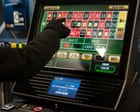
Apparently so, because having successfully persuaded Rachel Reeves to exempt racing from a (modest) hike in betting day in 2025, here we are again, nervously anticipating Wednesday’s budget amid warnings that John Healey could effectively sound the death-knell for high-street betting shops. Healey is widely expected to raise the rate of Machine Games Duty (MGD) in the budget, a move which could, according to some predictions, lead the closure of thousands of high-street shops with significant knock-on effects for racing’s income from off-course gambling.
A wholesale plunder of local communities via casino-gaming took place and racing was content to sit on sidelines
Has it really been almost a year since racing’s last bout of Budget-related anxiety? Apparently so, because having successfully persuaded Rachel Reeves to exempt racing from a (modest) hike in betting day in 2025, here we are again, nervously anticipating Wednesday’s budget amid warnings that John Healey could effectively sound the death-knell for high-street betting shops.
Healey is widely expected to raise the rate of Machine Games Duty (MGD) in the budget, a move which could, according to some predictions, lead the closure of thousands of high-street shops with significant knock-on effects for racing’s income from off-course gambling.
The prospect of a significant hike in MGD this week was initially floated by a report from the Social Market Foundation (SMF) thinktank in June. The report recommended doubling the duty rate on the profits from high-street gaming machines, from 20% to 40%, to reflect the significantly higher rates of harm associated with machine gaming compared to traditional betting on racing and sport.
The gambling industry’s response was swift and indignant. Citing a report from the consultancy firm Regulus Partners, the industry warned that if Healey took the SMF’s advice, up to 4,000 of the UK’s 5,500 betting shops could be forced to close over the next three years. That, in turn, could cost the racing industry an estimated £92m in annual income – a third of its total from betting.
The British Horseracing Authority also expressed its concern. “This would have devastating consequences for British racing,” Greg Swift, the BHA’s director of communications and corporate affairs, said in a statement earlier this month, “hitting prize money, Levy funding and our ability to continue investing in our world-leading equine welfare and veterinary research projects.”
Subsequent rumours ahead of Wednesday’s budget suggest that Healey is considering a less dramatic rise in MGD, from 20% to 25%. Yet even this, according to the gambling industry, could lead to hundreds of shop closures and tens of millions in lost revenue for racing.
So, is the end really nigh for the high-street betting shop? Its demise has, after all, been forecast with some regularity over the last couple of decades since the advent of online gambling, and above all when the campaign to cut the maximum stake on the high-street FOBT machines, from £100 to £2, was at its height.
Suggestions at the time that most or all of the UK’s shops would be shuttered within months if the cut were imposed proved to be a long way short of the mark. The current total of around 5,500 shops is well below the 9k around a decade ago, but that also reflects the fact that the gambling market as a whole, and among younger generations in particular, is increasingly moving online.
At the same time, though, there can be little doubt, however, that racing remains painfully exposed to a major reduction in the number of shops. The sport’s income from the retail sector is tied to media rights contracts for live pictures and data agreed on a “per-shop” basis. The Regulus report suggests that racing receives around £27k in media rights and Levy payments from the average shop’s total annual revenue of £440k.
If a sport that derives a significant chunk of its income via betting is caught up in the fallout from a tax rise on casino-gaming, however, there is an extent to which it can only itself to blame.
The BHA took offence when, shortly after being installed as prime minister, Andy Burnham lumped in betting shops alongside vape shops and adult gaming arcades as undesirable presences on the high street. But if an outlet cannot absorb a five per cent rise in MGD, there is an argument that it is no longer a betting shop at all. It is a mini-casino, with betting on the side.
At the turn of the century, a betting shop (or maybe two) was a familiar and largely accepted part of the high street landscape. But that consensus was swept away in the headlong rush to squeeze as many shops as possible into areas of high population density, in order to instal the maximum number of four FOBTs in each one.
It was the bookies themselves that killed off the old-fashioned betting shop, amid a cynical and deliberate orgy of corporate greed that sucked hundreds of millions of pounds from what were already the UK’s most deprived areas. They did not want or need five or six “betting” shops in a row, but they got them anyway. At one stage in the mid-2010s, there were 18 on the main high street in Hackney alone.
It was a wholesale plunder of local communities via casino-gaming, and even as the campaign to restrict FOBT stakes gained irresistible momentum, racing was largely content to sit on the sidelines and keep counting the cash from its media rights deal. While Matt Hancock, the culture secretary in 2018, was consulting on whether to cut the maximum FOBT stake to £2, the BHA’s actively supported the gambling industry’s warnings of imminent disaster – including wholesale shop closures – if the cut was imposed.
So while the rise of online gambling was always going to see a steady decline in the number of betting shops, it is thanks to the FOBTs that there will be very few in the general public to mourn their passing, if or when they close their doors. And racing, which did little or nothing to stand up for betting while the FOBT scandal unfolded, can have few genuine grounds for complaint if, after Wednesday’s budget, it continues to pay the price for its complicity.
- budget
- gaming
- machine
- shop
- racing
- healey
- street
- bookie