Figs trees grow well in the UK – here’s everything you need to know to plant one
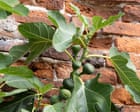
These exotics can bear plenty of fruit, but you will need a firm hand to stop them dominating your patch You might imagine figs would be tricky to grow in cooler climates like the UK’s (heatwaves aside). You can, of course, purchase a fig tree from a plant nursery.
These exotics can bear plenty of fruit, but you will need a firm hand to stop them dominating your patch
You might imagine figs would be tricky to grow in cooler climates like the UK’s (heatwaves aside). But you’d be wrong! Figs can do remarkably well – some might say too well – in this segment of the northern hemisphere. In favourable conditions, fig trees can be quite the thug, inclined to take up any and all the space available for their roving roots. One enormous specimen behind a train station near where I grew up has been there for decades, occupying an impressive number of square metres.
You can, of course, purchase a fig tree from a plant nursery. But the two I have in my garden were both grown from hardwood cuttings taken when the parent plant was dormant, which makes now a good time to give this slow but generally reliable process a try. Alternatively, you can wait until spring and seek out a parent plant that’s producing suckers to pot up.
Predictably, figs prefer sunny and sheltered places to grow, and trees are more likely to bear fruit in those conditions. Interestingly, you’re also more likely to get a decent crop if you restrict your tree’s root system, through burying paving slabs in the ground around it or growing it in a large container, encouraging it to direct its energy towards fruiting. Container grown figs have the added benefit of being movable, should a cold snap threaten their wellbeing.
Figs develop fruit twice in a growing season, without the need for pollination. The first crop appears in late summer, will stay small through winter (when they may need frost protection) and grow again come spring, meaning they should have enough time to ripen. The second crop develops from late spring on that season’s growth, and while they can reach a decent size, won’t fully develop so are best removed in autumn – unless your fig is growing in a greenhouse, which might allow these fruit time enough to ripen.
Figs need pruning twice a year. Prune in spring for health and vigour, removing dead or damaged wood and crossing branches while ensuring the small fruitlets are left intact. In summer, focus on removing the tips from half of the new growth to encourage side growth, but leave your tree alone from midsummer to let the fruitlets develop. If, like me, you have allowed your fig to develop long, bare branches, you can prune them hard in spring to prompt replacement shoots. Always wear gloves and sleeves to protect skin from their irritating sap.
Figs are ready to harvest when the fruit is soft to touch, which might happen without the skin turning that characteristic purple as some varieties remain green. Ripe figs don’t keep for long, so enjoy them straight after picking, preferably still warm from the sun.
- plant
- fig
- tree
- parent
- exotic
- plenty
- fruit
- hand