2027: ADC gives INEC 14 days to address 453 polling units discrepancies

The ADC has demanded that INEC publish a reconciled register of polling units and registration areas and allow independent verification of its electoral technology after Yiaga Africa identified discrepancies involving 453 polling units and 47 registration areas.
ADC National Publicity Secretary Bolaji Abdullahi
The African Democratic Congress (ADC) has given the Independent National Electoral Commission (INEC) 14 days to reconcile discrepancies in its polling-unit and registration-area records following Saturday’s nationwide mock accreditation and results-upload exercise.
The opposition party’s National Publicity Secretary, Bolaji Abdullahi, outlined five demands in a statement on Sunday, citing preliminary findings by election observation organisation Yiaga Africa.
The deadline would fall on 13 December, about five weeks before the presidential and National Assembly elections scheduled for 16 January 2027.
The development follows the Saturday edition of PREMIUM TIMES’ 2027 Politics Watch, published on Sunday, which highlighted the discrepancies and examined their implications for the commission’s electoral preparations.
Yiaga Africa found that INEC’s official nationwide figure stood at 177,299 polling units, while the INEC Result Viewing (IReV) Portal contained records of 176,846, a difference of 453.
It also identified a discrepancy of 47 registration areas (electoral wards) between INEC’s official figure of 8,838 and the 8,791 configured on the portal.
According to Yiaga’s preliminary findings, the affected registration areas comprised 18 existing areas across 11 states and 29 additional areas in Delta State.
The ADC demanded that INEC publish a reconciled national register of polling units and registration areas, including their identification codes.
It asked the commission to confirm that IReV and all Bimodal Voter Accreditation System (BVAS) devices were correctly configured against the reconciled records.
The party also called for political parties and accredited observers to be allowed to independently verify the configuration.
It demanded a supplementary mock exercise covering all affected locations and the publication of its findings.
The ADC further asked the commission to enforce polling-unit result uploads and sanction electoral officers who fail to comply.
Citing Yiaga’s findings, the party said the identification codes for Oju and Ohimini local government areas in Benue State had been interchanged.
The ADC also cited Yiaga’s account of a presiding officer’s refusal to upload a simulated result at Majema II polling unit in Tsanyawa Local Government Area of Kano State.
“How can INEC guarantee credible elections when its results portal does not recognise every polling unit where votes will be cast? What happens to the votes from these 453 polling units?” the party asked.
The ADC said Yiaga’s findings vindicated its earlier allegation that INEC had created additional polling units without notifying political parties.
The controversy had emerged publicly by early November, weeks before Saturday’s mock accreditation exercise.
Although the ADC maintained that its earlier allegation went unanswered, INEC had publicly addressed the controversy.
The commission’s Deputy Director of Information and Publicity, Wilfred Osilama Ifogah, attributed changes in electoral areas to court rulings involving constituencies in Kogi, Benue and Delta states during a Trust TV interview reported on 5 November.
Mr Ifogah disputed suggestions that the exercise was being conducted secretly but did not specifically confirm the figure of 453 additional polling units or identify their locations.
An analysis by Mundx Analytics, published on 9 November, identified 453 additional polling-unit listings by comparing records from INEC’s public voter registration portal captured on 10 August and 9 November.
All the additional listings were in three local government areas of Delta State: 181 in Warri South-West, 175 in Warri North and 97 in Warri South.
The analysis identified no additional polling-unit listings in Kogi or Benue during the period examined.
Mundx also recorded a national increase of 29 registration-area codes, from 8,809 to 8,838.
The 453 additional polling-unit listings identified by Mundx match numerically the discrepancy subsequently reported by Yiaga. The increase of 29 registration-area codes also matches the number of additional areas in Delta identified by the election observers.
However, the Mundx analysis does not explain why the other 18 existing registration areas were absent from the IReV configuration.
The individual records have not been independently matched, and the dates on which the additional electoral areas were formally established remain unverified.
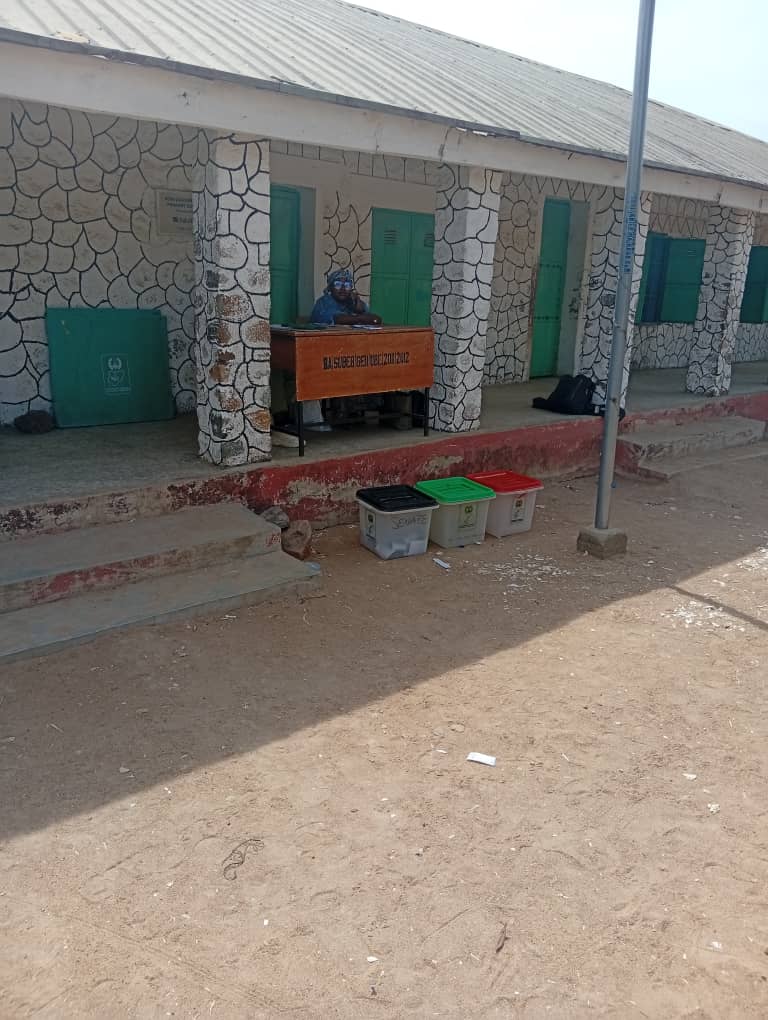
Saturday’s exercise was designed to test INEC’s accreditation and electronic results-upload systems. The commission designated 17,676 polling units, two per registration area.
As PREMIUM TIMES reported, Yiaga Africa identified delays in the commencement of accreditation, technical difficulties and inconsistencies in the commission’s electoral databases.
It nevertheless reported satisfactory BVAS performance in most of the 300 polling units it sampled.
The organisation recommended better technical support for electoral officials, improved internet connectivity and clearer procedures for resolving accreditation and result-upload problems.
INEC Chairman Joash Amupitan, who monitored the exercise in Plateau State, expressed satisfaction with the performance of the commission’s technology.
INEC’s position on the ADC’s latest demands has yet to be established.
While the discrepancies raise questions about the consistency of INEC’s electoral databases, the available findings do not establish that the 453 polling units were created secretly or that voters will be disenfranchised.
Determining the implications for the elections would require reconciling individual polling-unit records across IReV, the voter register and BVAS configurations.
- polling
- adc
- inec
- unit
- discrepancy
- registration
- area
- register