New Queensland laws iron out legal loophole on pornographic deepfakes
The proposed laws introduce a maximum penalty of three years in jail for adult offenders, and 18 months behind bars for children.
The Queensland government has introduced legislation to criminalise the creation of non-consensual, sexually explicit deepfake images or audio.
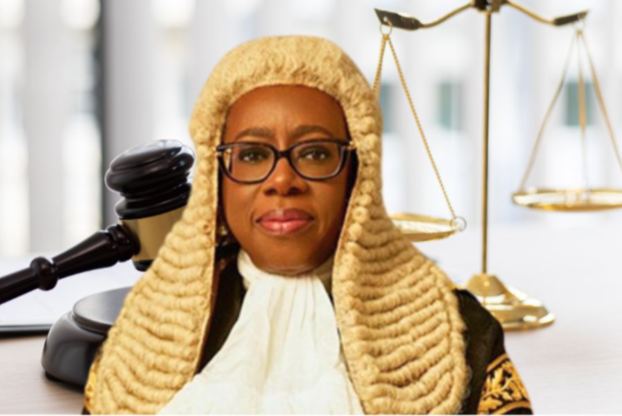
Attorney-General Deb Frecklington said the laws will slam shut a legal loophole.
The proposed laws introduce a maximum penalty of three years in jail for adult offenders, and 18 months behind bars for children.
Queensland's Attorney-General has introduced legislation to slam shut a legal loophole, to criminalise the creation of non-consensual, sexually explicit deepfake images or audio.
Deepfakes are photos, videos or audio of real people that have been edited using AI software to create false depictions of them.
When they are created without someone's consent, they are a form of image-based abuse.
Queensland currently has laws prohibiting the distribution of images, but Attorney-General Deb Frecklington said perpetrators were exploiting a legal loophole, which did not outlaw the creation of deepfakes.
"For too long, offenders have exploited a gap in the law to create harmful and exploitative content without facing the full consequences," Ms Frecklington said.
"We are doing this for every victim of a vile form of weaponisation that has the potential to wreak psychological, emotional, and even life endangering harm."
Ms Frecklington said schools were on the frontline of the issue.
Ms Frecklington said she had consulted with stakeholders across the sector, including with a parent of a girl who died by suicide.
The Attorney-General told parliament the proposed changes had been applauded by Emma Mason, whose daughter Tilly died after she was bullied on social media including the use of fake nude imagery.
Ms Frecklington pointed to the recent sentencing of 56-year-old Antonio Rotondo, who created and distributed sexualised deepfake images of current and former Brisbane high school students and staff.
"Rotondo deliberately used publicly available photographs of real women and girls, including a 13-year-old child, and used technology to fabricate sexualised images of them," Ms Frecklington said.
"Yet, under Labor's laws, he could not be punished for the act of creating these images. Only the distribution."
The bill also inserts a new definition of intimate audio material and modernises the definition of intimate image, to include "non-genuine" images.
"This is intended to ensure the perpetrator cannot claim the image does not meet the definition, just because the victim is depicted in an impossible setting, or, for example, emojis are used to obscure a part of the image, or a digital filter is used."
The Attorney-General said the laws send a strong message that non-consensual deepfake creation is "unacceptable".
- queensland
- law
- loophole
- deepfake
- penalty
- jail
- adult
- offender