Ebola: Ghana has not dropped the ball on disease screening – Prof Amuasi
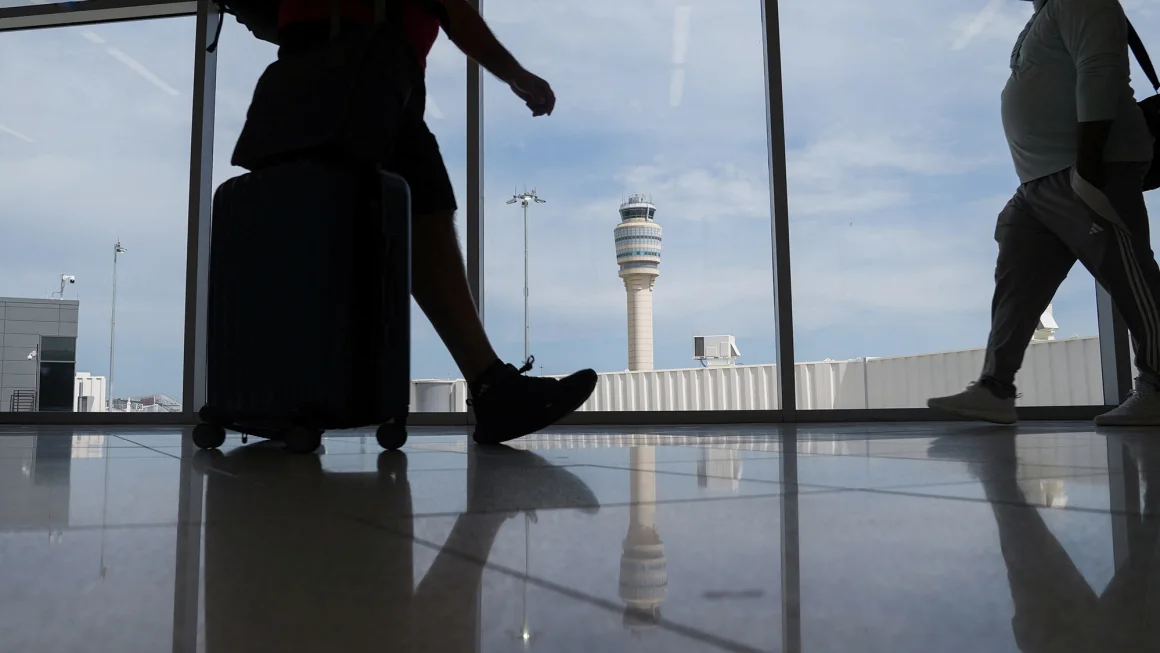
Prof John Amuasi, Leader of Global Health at the KCCR, has rejected suggestions that Ghana has let its disease screening systems slip since the COVID-19 pandemic. Prof Amuasi said the Nigerian case illustrated the limits of airport screening.
Prof John Amuasi, Leader of Global Health at the KCCR, has rejected suggestions that Ghana has let its disease screening systems slip since the COVID-19 pandemic.
Speaking on Joy News’ PM Express on Monday, he said screening at entry points must match the prevailing risk. He argued that testing every arriving traveller for Ebola would be impractical.
“No, I wouldn't say so,” he said when asked whether Ghana had dropped the ball.
His comments come after Nigeria confirmed an imported Ebola case on October 20. The patient developed symptoms four days after arriving from Uganda.
Investigations into the source of infection remain ongoing, according to the World Health Organisation.
Elsewhere, Kenya had recorded nine confirmed cases and two deaths as of October 25. Uganda also recorded cases earlier in the outbreak, but the European Centre for Disease Prevention and Control says its outbreak has ended.
Prof Amuasi said the Nigerian case illustrated the limits of airport screening.
“There is no way that the Nigerian authorities could have caught this at the airport unless they were doing an active test of everybody coming in to see if they had Ebola, which is simply not practicable.”
He explained that highly intensive screening cannot be maintained every day without a clear reason. He said the immediate priority should be stronger information gathering and better guidance for travellers.
“So this is why I'm saying that for now, what needs to be done, and I hope it is being done, is to augment the data collection on every single individual who comes.”
He acknowledged that collecting more information could raise privacy concerns. But he stressed its importance.
“It may be a bit intrusive, but is very critical,” he said.
Prof Amuasi also proposed giving arriving travellers leaflets. These should explain symptoms to watch for, whom to contact and where to seek care if they become ill.
His defence of the screening approach came with a qualification. He called for stronger data collection but did not confirm whether it was already happening.
He said a confirmed case would require a different response.
“But beyond that, any other measure is not very helpful at this point. If we did have a case, it would change the dynamics entirely.”
- ebola
- screening
- prof
- amuasi
- ghana
- disease
- case
- ball