Ebola fight: Misinformation is our worst enemy — GHS boss

The Director-General of the Ghana Health Service (GHS), Dr Samuel Kaba Akoriyea, has warned that misinformation could undermine Ghana’s efforts to prepare for a possible Ebola outbreak, urging journalists and social media users to verify information before publishing or sharing it. He urged the public to cross-check claims with the Ghana Health Service and the Ministry of Health before circulating them.
The Director-General of the Ghana Health Service (GHS), Dr Samuel Kaba Akoriyea, has warned that misinformation could undermine Ghana’s efforts to prepare for a possible Ebola outbreak, urging journalists and social media users to verify information before publishing or sharing it. He has appealed to the media, content creators and users of platforms such as TikTok and WhatsApp to rely on official sources for updates on the disease, cautioning that inaccurate or misleading reports could complicate public health communication at a time when clear, credible information is critical.
“Our worst enemy is misinformation,” Dr Akoriyea said on Joy News’ PM Express on Monday, October 26. He urged the public to cross-check claims with the Ghana Health Service and the Ministry of Health before circulating them. “Ghana Health Service website is there, the Ministry of Health website is there, the Minister is there, I’m there, we have PROs, cross-check before you come out,” he appealed.
The GHS Director-General said the speed at which information circulates online made verification especially important, as people could easily misrepresent health developments or spread claims that had not been confirmed. “In this era, people miscommunicate a lot,” he added. Dr Akoriyea said Ghana had intensified its preparedness measures to strengthen its ability to respond if an Ebola case were detected, although the true test of readiness would come when the country had to manage an actual case.
“We have increased our preparedness to make sure that we tighten all the knots,” he said. “Until we get a case, we might not be able to prove our readiness and even no matter how ready you are, no matter how ready you are, when you get a case, it’s a different story.” He said it was nevertheless better for the country to prepare thoroughly before a possible outbreak than to be caught unprepared.
“But it’s better to be prepared, right, and get a case and do commit very few errors than not to be prepared at all,” he said. The Director-General cited Ghana’s experience during the COVID-19 pandemic as an important foundation for strengthening its response to future health emergencies. He said the availability of the Ga East Municipal Hospital and the University of Ghana Medical Centre (UGMC) had been an advantage during the pandemic, adding that lessons from that period were informing efforts to improve the country’s preparedness.
“I remember we were extremely prepared, and we’re so fortunate as a country during COVID that we had Ga East already built, we had UGMC already built, and we are building on that to make sure that whatever we have done or we had done, now we can even make it better,” he said. Trusted information critical The appeal comes amid heightened concern over Ebola and the need for countries to strengthen surveillance, preparedness and public communication as outbreaks are reported in parts of Africa.
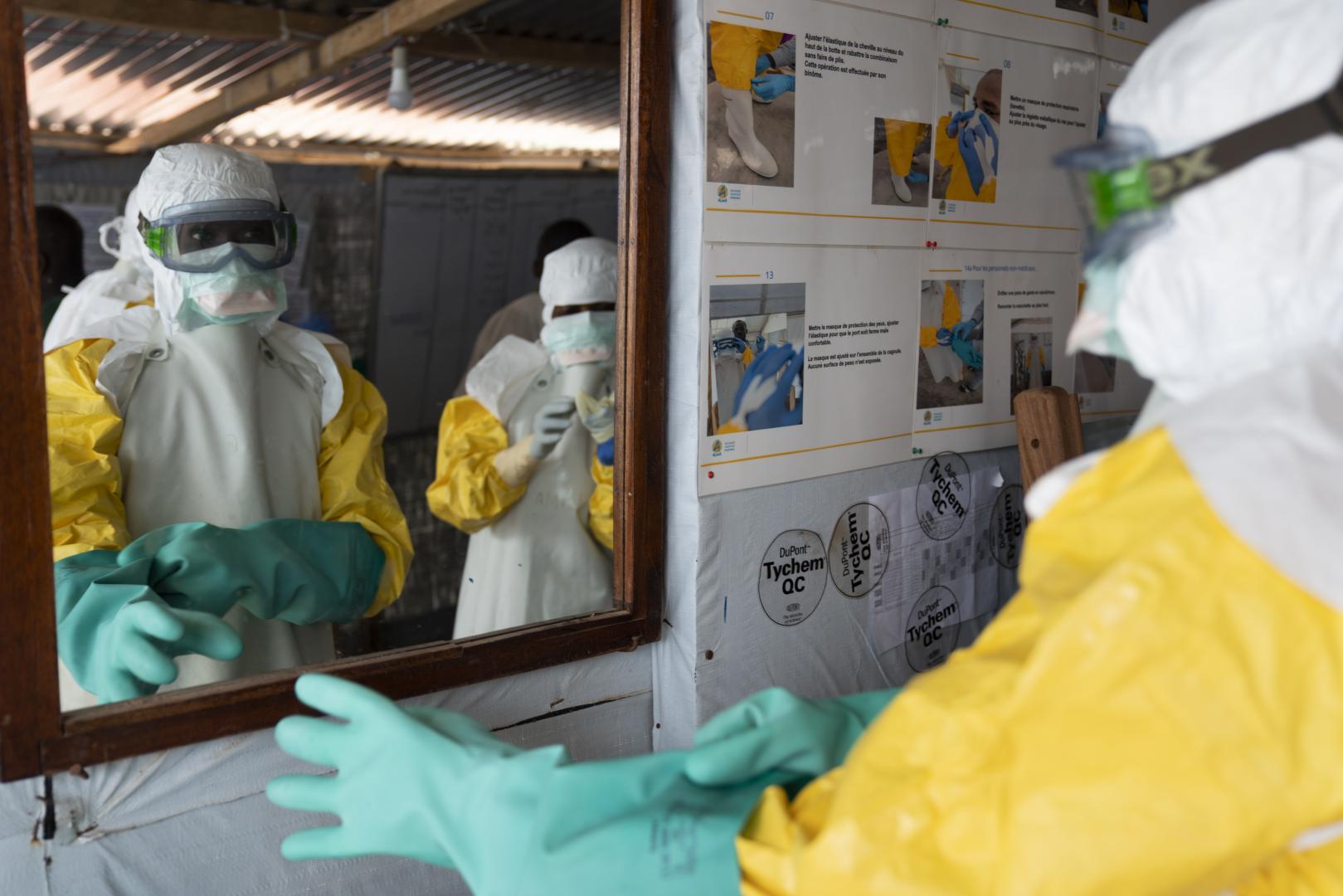
Ebola is a severe viral disease that can spread through direct contact with the blood or other bodily fluids of an infected person who is showing symptoms, or with contaminated materials. Prompt identification, isolation and appropriate care of suspected cases, alongside effective contact tracing and infection prevention, are important to containing transmission.
Public health authorities also rely on accurate information to explain risks, clarify what is known about an outbreak and communicate recommended precautions. False claims can fuel fear, undermine trust in health authorities and encourage people to act on advice that has not been medically verified.
- ebola
- health
- ghana
- misinformation
- ghs
- case
- information
- country