science

How Nigerians Should Prepare For El Niño — NEMA

How Nigerians Should Prepare For El Niño — NEMA

Nigerians have been advised to take steps to protect themselves against the effects of the El Niño phenomenon. Seek Information Follow updates from NEMA, the Nigerian Meteorological Agency (NiMet) and trusted media channels.

Nigerians have been advised to take steps to protect themselves against the effects of the El Niño phenomenon. El Niño is a natural climate phenomenon that occurs when sea-surface temperatures in the central and eastern tropical Pacific Ocean become warmer than normal. It is the warm phase of the El Niño-Southern Oscillation (ENSO), which also includes the cooler La Niña phase and neutral conditions.

It can disrupt atmospheric circulation and influence rainfall and temperature patterns worldwide, though effects vary by location due to local conditions. In a Monday advisory titled “Super El Niño Is Coming: What You Can Do to Protect Yourself, Your Family and Your Community,” the National Emergency Management Agency (NEMA) outlined eight measures individuals, households and communities could adopt to reduce the risks and stay safe.

It warned that “Super El Niño can cause hotter temperatures, less rainfall, drought, floods and food shortages.” In its Seasonal Climate Prediction Update for August 2026 and the August-September-October 2026 Rainfall Forecast, the Nigerian Meteorological Agency stated, “Analysis of the most recent ocean observations confirms the onset of a strong El Niño event in 2026.” It added that “El Niño continues to intensify steadily and is expected to dominate global climate patterns during the August to October 2026 season.” NiMet also described it as a “super El Niño” with significant implications for Nigeria’s rainfall patterns and noted that it increases the likelihood of above-normal temperatures globally.

Measures Recommended By NEMA Include: Reduce Time Under Hot Sun Limit outdoor activities during peak heat hours (11 am – 4 pm). Use shaded areas and wear a hat or cap. Take regular breaks and stay hydrated. Plan your activities for early morning or late evening. Don’t Waste Water Use water wisely and avoid waste. Fix leaks and store water in clean, covered containers.

Keep your environment clean to protect water sources. SUPER EL NIÑO IS COMING. ARE YOU PREPARED? As Nigeria prepares for the anticipated 2026/2027 Super El Niño phenomenon, taking precautions early can help protect lives, livelihoods and property. Preparedness starts with you. Protect yourself, protect your family, protect your community. Follow NEMA’s official channels for verified information and safety guidance. #NEMA #SuperElNiño #DisasterPreparedness #EarlyWarning #EarlyAction — NEMA Nigeria (@nemanigeria) October 25, 2026 Extreme Heat Is Coming Stay hydrated – drink clean water regularly.

Avoid direct sun between 11 am and 4 pm. Wear light clothing, hats, and use sunscreen. Check on children, the elderly and vulnerable people. Protect Your Health Prevent heat-related illnesses and dehydration. Keep your surroundings clean to avoid malaria and water-borne diseases. Ensure proper sanitation and handwashing. Seek medical help early when unwell.

Food Security Store enough food for emergencies. Support local farming and home gardening. Protect your livestock and poultry. Take advantage of agricultural support programmes. Livelihood Use drought-resistant crops and improved farming practices. Diversify income sources. Access government and partner support programmes. Seek Information Follow updates from NEMA, the Nigerian Meteorological Agency (NiMet) and trusted media channels.

Heed official advisories and warnings. Report emergencies to NEMA and relevant authorities. Community Action Join community early warning and preparedness efforts. Share information with neighbours and families. Look out for the most vulnerable in your community.

  • nema
  • niño
  • community
  • water
  • super
  • nigerians
  • temperature
  • rainfall

Summaries and tags are generated automatically. Stay informed with VidiaNews.

Related news

El Niño: What it means and how Nigerians should prepare
science

El Niño: What it means and how Nigerians should prepare

By Sekinat Osundiji Nigeria may experience increased heat and changing rainfall patterns as a strengthening El Niño event raises concerns about its potential effects on agriculture, water supply, electricity generation and public health. For August to October 2026, the agency forecast normal to above-normal rainfall across much of northern Nigeria, while parts of the South-West and Cross River State were expected to experience normal to below-normal rainfall.

Read →
World must cut emissions 18% in four years to find a way back below 1.5°C – UN 2026 Emissions Gap Report
science

World must cut emissions 18% in four years to find a way back below 1.5°C – UN 2026 Emissions Gap Report

Looking further ahead, the lab projects that Sahel countries such as Niger and Burkina Faso could see 60 or more heat deaths for every 100,000 people each year by 2050, a higher rate than malaria causes in Africa today. A study in Nature, promoted by the University of Chicago and co-written by Climate Impact Lab researchers, found that some very hot West African and Sahel countries are becoming too hot for malaria-carrying mosquitoes, while risk is climbing in the cooler highlands of East Africa and in southern Africa.

Read →
“Be The First Confidence Builders”: UN Deputy Chief Amina Mohammed Urges Nigerians To Own Development Narrative
business

“Be The First Confidence Builders”: UN Deputy Chief Amina Mohammed Urges Nigerians To Own Development Narrative

The United Nations Deputy Secretary-General, Amina Mohammed, has challenged Nigerians to adopt a more confident, evidence-based approach when communicating the country’s economic reforms and development potential to the international community. Speaking during a fireside chat titled “Africa’s Next Development Frontier: Inclusive Growth, Resilience, and Human Dignity” at the 2026 Nigerian Economic Summit (NES) in Abuja, the UN chief underscored the direct link between domestic self-perception and international investor confidence.

Read →
Religious leaders push for transparent climate funding
science

Religious leaders push for transparent climate funding

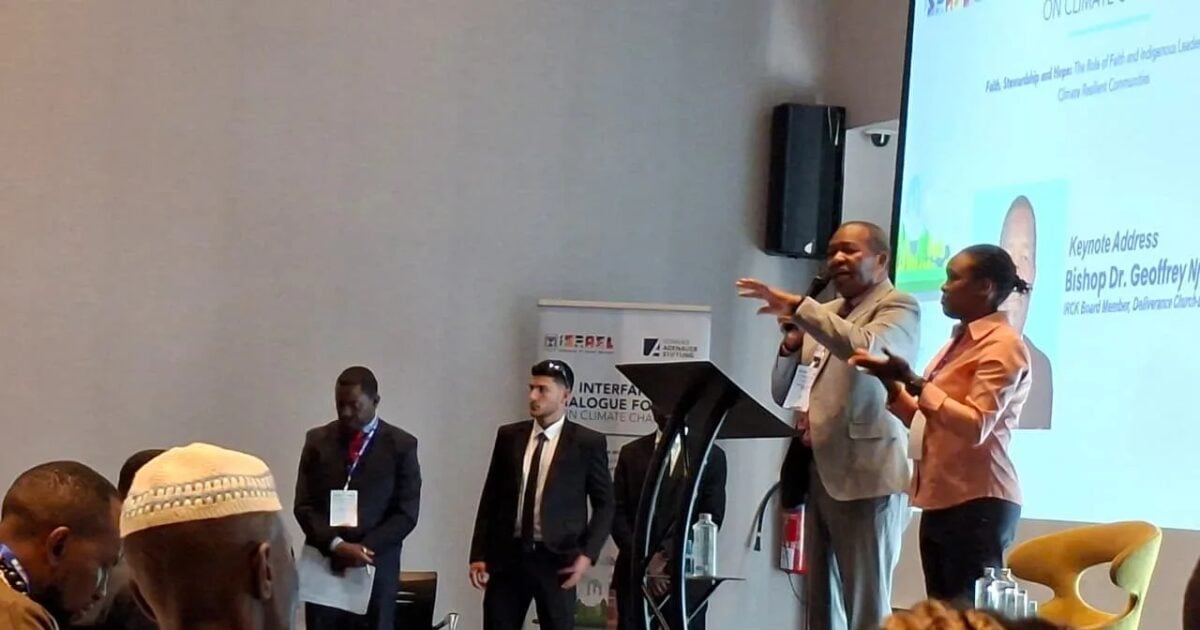
The leaders, meeting in Nairobi for an interfaith dialogue organised by the Embassy of Israel in Kenya and the Konrad-Adenauer-Stiftung (KAS), said religious institutions must translate their influence into practical environmental action, including tree planting, water conservation, climate-smart farming and ecosystem restoration. Mathias Kamp, KAS Country Director in Kenya, said faith and indigenous communities were important partners in climate action because they possess local knowledge and are often at the forefront of supporting communities affected by environmental disasters.

Read →
Israel Embassy, KAS to rally faith leaders for climate action
science

Israel Embassy, KAS to rally faith leaders for climate action

The forum, jointly organised by the Embassy of Israel in Kenya and the Konrad Adenauer Stiftung (KAS), a German political foundation that promotes democracy, good governance and international cooperation runs from October 26 to 27 at Trademark Hotel, bringing together religious leaders, climate experts, environmental organisations and policymakers to explore how faith-based institutions can contribute to climate resilience. The opening session features Israel’s Ambassador to Kenya, Gideon Behar, KAS Kenya Country Director Mathias Kamp, and Thomas Lerenten Lelekoiten, Deputy Director of the…

Read →
North- East Region turns to solar-powered water system to tackle climate change
science

North- East Region turns to solar-powered water system to tackle climate change

The North-East Regional Coordinating Council is promoting solar-powered water systems and dry-season farming to help communities adapt to climate change as rivers dry up and traditional irrigation sources become increasingly unreliable. Mr Ibrahim Tia, the North-East Regional Minister, told the Ghana News Agency that climate change was increasingly affecting water availability and making farming along river bodies less sustainable, requiring communities to explore alternative water sources.

Read →