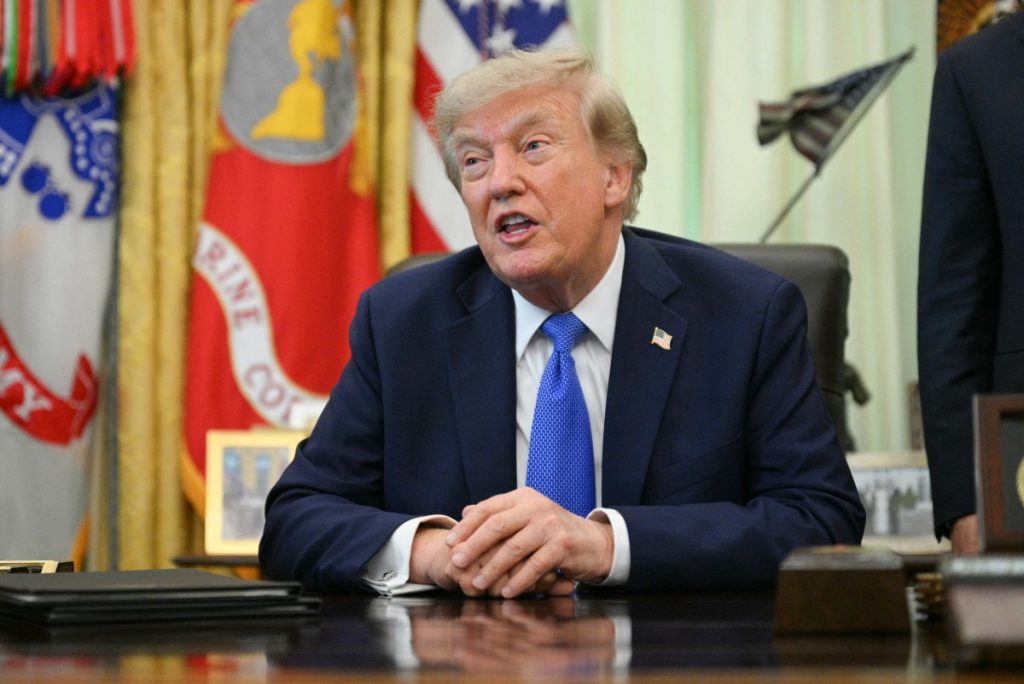
Trump embarks on Texas campaign swing to shore up votes for lagging ally
Donald Trump is mounting a rally blitz in Texas to support his party's candidate for the US Senate. Meanwhile, Democrats have worries of their own.
We're just one week out from the US midterm elections, so to help keep you up to speed, we're launching a daily briefing!
I'll be with you each weekday morning to bring you the latest from overnight, as well as some insights from our talented team over in the States.
Midterms are generally seen as a report card for the president because they give voters a chance to express their feelings. What are the big issues this campaign?
Rising prices and living costs are the top voter concerns in most polls. There are several Trump actions tied up in those issues: the war with Iran, tariffs, and his repeated insistence that "affordability" is either a hoax issue or one to blame on Joe Biden. Corruption is also breaking through as a big one — a Fox News poll recently found more voters were concerned about corruption (60 per cent) than inflation (58 per cent).
Trump isn't very popular at the moment. So how have Republicans responded in their own campaigning?
Some Republicans in close races are keeping their distance or even speaking out against Trump policies. For example, senate candidates like Susan Collins (Maine) and Mike Rogers (Michigan) have criticised the tariffs on Canada (which their states border) and called for an end to the Iran war.
There's even a Republican congresswoman in a Latino-heavy part of Florida appearing in TV ads telling Trump his immigration crackdown has gone too far. But Trump is notoriously revengeful, so there aren't many Republicans willing to go up against him too forcefully.
If you'd like to read more from Brad, he recently took a closer look at these issues in the Maine race.
US President Donald Trump might not be up for election at the midterms, but his popularity will have a strong influence over the outcome.
The president's party almost always loses House seats in midterm elections and that trend gets steeper when the president is unpopular.
Historic polling data collated by analytics firm Gallup shows presidents with approval ratings below 50 per cent have seen their party lose an average of 37 House seats.
Presidents with approval ratings above 50 per cent have netted smaller loses, with an average of 14 seats.
You can keep track of the latest out of the US here.
Thanks for joining me! I'll be back same time tomorrow with more.
- trump
- texas
- campaign
- swing
- ally
- embark
- vote
- donald