KNCHR calls for urgent aid as 40,000 Ethiopians flee to Moyale
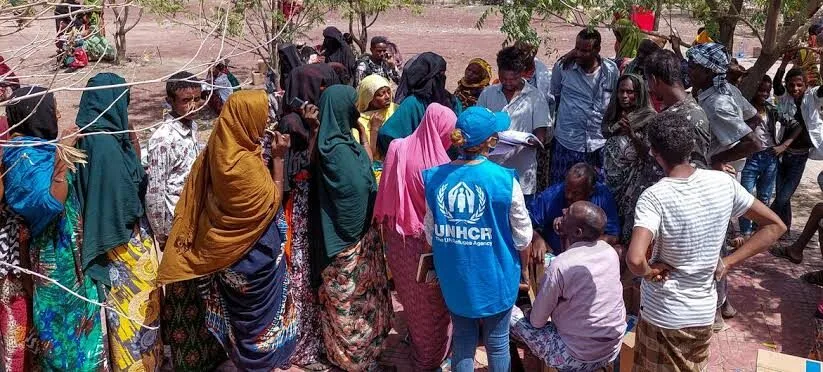
NAIROBI,Kenya Oct 28 – The Kenya National Commission on Human Rights (KNCHR) has called for an urgent humanitarian response in Moyale after approximately 40,000 people reportedly fled unrest in Ethiopia and sought refuge in Kenya, warning that delays could expose thousands to avoidable suffering. The reported reception sites include St Mary’s Catholic Church, Harhosha Secondary School, Manyatta Burji, Sessi and Lanzi Mosque Hospital, among other locations.
NAIROBI,Kenya Oct 28 – The Kenya National Commission on Human Rights (KNCHR) has called for an urgent humanitarian response in Moyale after approximately 40,000 people reportedly fled unrest in Ethiopia and sought refuge in Kenya, warning that delays could expose thousands to avoidable suffering.
In a statement issued on October 27, 2026, the commission said the influx was putting pressure on food, clean water, shelter, sanitation and healthcare services, urging the government and humanitarian agencies to intervene before conditions deteriorate.
“The protection of life and human dignity cannot be postponed,” the commission said, calling for coordinated action to safeguard the rights of those fleeing the unrest while addressing the needs of host communities.
According to KNCHR, more than 15,000 people are reportedly accommodated in eight temporary shelters, while over 20,000 others are staying with relatives and friends.
The reported reception sites include St Mary’s Catholic Church, Harhosha Secondary School, Manyatta Burji, Sessi and Lanzi Mosque Hospital, among other locations.
The commission said the situation was reported calm on both sides of the border as of the morning of October 27, but warned that rainfall in the Moyale area had heightened concerns over exposure, poor sanitation and possible outbreaks of communicable diseases.
“The influx is placing significant pressure on host communities and available resources, particularly food, clean water, shelter, sanitation and healthcare,” KNCHR said.
The urgency of the situation was further highlighted by reports that two women had given birth at Manyatta, while two others had delivered at Bitiye, underscoring the need for maternal and newborn healthcare, emergency treatment and postnatal support.
KNCHR urged the Ministry of Health and the Marsabit County Government to deploy medical teams, personnel and supplies to affected sites, prioritising reproductive healthcare, safe deliveries, antenatal and postnatal care, immunisation, nutrition and treatment of acute illnesses.
It also called for stronger disease surveillance, access to safe water, proper waste disposal and measures to prevent disease outbreaks.
The commission stressed that Kenya’s obligation to protect human rights extends to everyone within its jurisdiction, regardless of nationality, ethnicity or immigration status.
“Human rights protection does not cease at national borders,” it said.
KNCHR cited Article 28 of the Constitution, which guarantees respect for and protection of human dignity, and Article 43, which provides for rights to healthcare, adequate housing, sanitation, food and clean and safe water.
It further emphasised that emergency medical treatment cannot be denied under Article 43(2), while Articles 26, 27 and 29 protect the rights to life, equality and non-discrimination, and freedom and security of the person.
On refugee protection, the commission called for reception, registration and screening procedures that respect the law and the principle of non-refoulement, which prohibits returning people to places where they face specified risks of persecution or serious harm.
It cited the Refugees Act, 2021, and Kenya’s international obligations, urging border authorities to ensure that security measures do not prevent people fleeing danger from accessing humanitarian assistance and protection.
“Reception, registration and screening must therefore be humane and lawful,” the commission said.
KNCHR also called on disaster management agencies to conduct rapid needs assessments and coordinate the provision of food, water, weather-appropriate shelter, sanitation and other essential services.
It urged the United Nations High Commissioner for Refugees (UNHCR), the International Organization for Migration (IOM), the Kenya Red Cross and other humanitarian partners to mobilise emergency resources and technical support.
The response, it said, should include food, clean water, shelter, hygiene supplies, healthcare, child protection and psychosocial support.
The commission further called for specialised protection services for women and girls at risk of violence or exploitation, unaccompanied and separated children, persons with disabilities, older people and others requiring additional assistance.
It urged security agencies to maintain public safety while ensuring that all measures were lawful, necessary, proportionate and non-discriminatory.
Local leaders, religious institutions, civil society organisations and host communities were also asked to coordinate assistance, identify urgent needs and prevent stigma, exploitation and discrimination.
The commission stressed that the welfare of Kenyan communities hosting the new arrivals must also be considered as pressure on local resources increases.
KNCHR said it would engage relevant authorities and stakeholders within its mandate and called for sustained human rights monitoring in Moyale to assess living conditions, access to essential services and possible violations.
“The reported calm offers an important opportunity to address immediate needs and prevent avoidable suffering before conditions deteriorate,” the commission said.
It urged the government and humanitarian partners to respond urgently and in a coordinated manner to ensure that those seeking safety receive essential assistance and have their rights protected.
“KNCHR urges all responsible authorities and partners to act urgently, in coordination and with compassion, so that everyone seeking safety in Moyale is protected by the law and can access essential humanitarian assistance,” it said.
- knchr
- commission
- moyale
- kenya
- water
- sanitation
- healthcare
- protection