UNESCO Plans $30mn Climate Resilience Project for Kenya, Four East African Countries
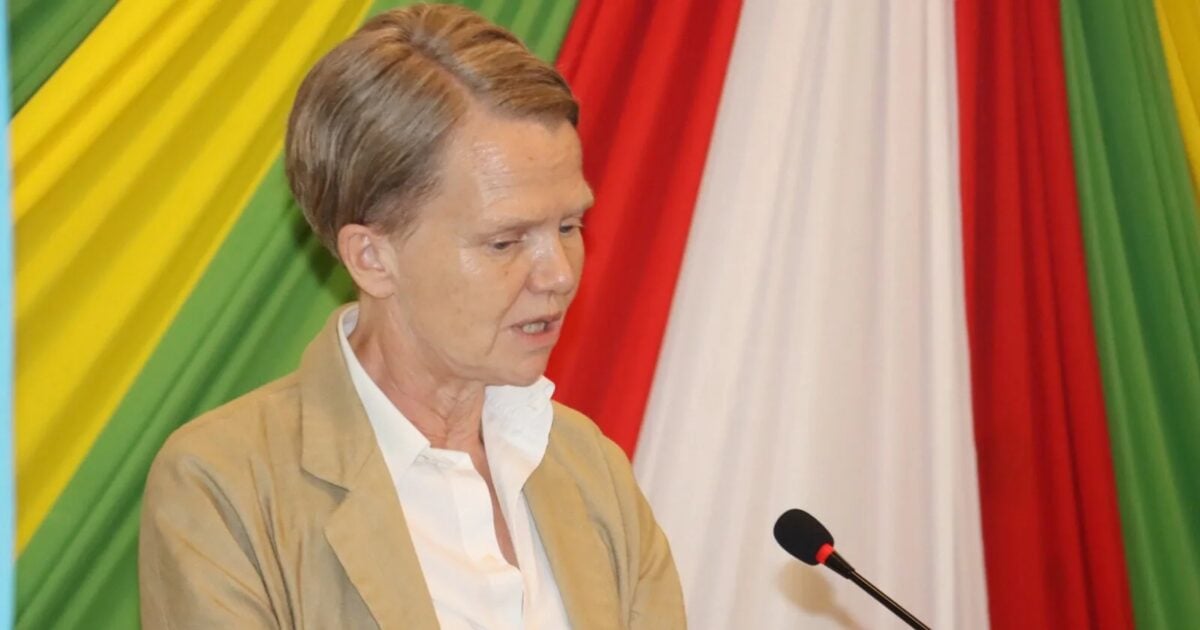
KISUMU, Kenya, Oct 23 – UNESCO is preparing a $30 million (approximately Sh3.87 billion) regional climate resilience programme targeting Kenya and four other East African countries to strengthen disaster preparedness, restore shared ecosystems and help communities adapt to the effects of climate change. UNESCO Regional Office for Eastern Africa Director Louise Haxthausen said the project would be developed in partnership with the Lake Victoria Basin Commission (LVBC) and participating governments.
KISUMU, Kenya, Oct 23 – UNESCO is preparing a $30 million (approximately Sh3.87 billion) regional climate resilience programme targeting Kenya and four other East African countries to strengthen disaster preparedness, restore shared ecosystems and help communities adapt to the effects of climate change.
The four-year initiative will cover Burundi, Kenya, Rwanda, Tanzania and Uganda, with South Sudan expressing interest in joining the programme.
UNESCO Regional Office for Eastern Africa Director Louise Haxthausen said the project would be developed in partnership with the Lake Victoria Basin Commission (LVBC) and participating governments.
Speaking during the 24th Ordinary Meeting of the Sectoral Council on the Lake Victoria Basin in Kisumu on Thursday, Haxthausen said the initiative would address environmental challenges that require coordinated action across national borders.
“Environmental challenges do not recognise national boundaries. Shared ecosystems, river basins, forests, lakes and landscapes require collective stewardship and coordinated action,” she said.
The programme, titled Transboundary Ecosystem-Based Climate Resilience and Disaster Risk Reduction in Eastern Africa Countries, is expected to be submitted to the Adaptation Fund for consideration after participating countries refine and validate the proposal.
Haxthausen said the proposed programme would focus on four key areas aimed at improving climate resilience and disaster risk reduction across the region.
The first component will involve strengthening climate information systems and multi-hazard early warning mechanisms to improve the delivery of timely and reliable climate information to communities exposed to disasters.
The initiative will support integrated climate resilience information systems to help governments and communities anticipate, prepare for and respond to climate-related emergencies.
The second component will focus on ecosystem restoration and nature-based solutions to reduce disaster risks.
These interventions will include measures to restore degraded ecosystems, manage floods and promote climate-resilient planning across shared landscapes.
Haxthausen said the programme would recognise the interconnected nature of environmental challenges facing countries sharing the Lake Victoria Basin.
“The resilience of one country is increasingly linked to the resilience of its neighbours,” she said.
She called for stronger cooperation among regional governments to address climate risks affecting shared natural resources.
The proposed programme will also seek to strengthen regional governance, policies and institutional frameworks for climate adaptation and disaster risk reduction.
One of the initiatives under consideration is the development of the Lake Victoria Basin as a UNESCO Transboundary Biosphere Reserve.
The designation could support biodiversity conservation while promoting sustainable economic activities within the basin.
Haxthausen said UNESCO was interested in working with the Lake Victoria Basin Commission and regional governments to develop sustainable tourism by linking the protection of natural and cultural heritage with economic opportunities for local communities.
“Through our support for designated sites, we have gained significant experience and expertise in how to balance tourism development, cultural and natural heritage preservation,” she said.
The programme’s fourth component will focus on monitoring, evaluation, learning and knowledge management to strengthen accountability and ensure the sustainability of interventions.
Lake Victoria Basin Commission Executive Secretary Dr Masinde Bwire and other regional representatives attended the meeting, which brought together officials involved in managing shared resources across the basin.
The commission is expected to work with participating governments to refine the proposal, incorporate South Sudan’s interest and identify opportunities to align the initiative with existing regional programmes.
Haxthausen said UNESCO had renewed its accreditation with the Adaptation Fund and would serve as the implementing agency for the proposed programme.
The Lake Victoria Basin Commission and participating governments would undertake the executing responsibilities.
“We are ready to move forward now,” she said, urging regional stakeholders to collaborate in finalising the proposal and securing the necessary approvals.
The proposed initiative comes as East African countries grapple with increasing climate-related hazards, environmental degradation, biodiversity loss and growing pressure on natural resources.
The Lake Victoria Basin, which spans several countries, faces environmental challenges that require coordinated approaches to conservation, disaster preparedness and sustainable development.
If approved and implemented, the programme could strengthen regional early warning systems, improve climate adaptation measures and support the restoration of ecosystems that sustain millions of people across the basin and neighbouring countries.
The initiative is also expected to promote stronger regional cooperation in managing shared natural resources while supporting communities vulnerable to climate change.
- climate
- resilience
- unesco
- basin
- kenya
- programme
- lake
- disaster