Universities Fund Seeks Shared Database With Private Sponsors to Bridge Sh16.9bn Scholarship Gap
Sh16.9bn Scholarship Gap. NAIROBI, Kenya, Oct 29 – The Universities Fund wants a shared database linking government scholarship programmes with private sponsors to eliminate duplication of awards and ensure more students benefit from available assistance as the sector faces a Sh16.9 billion funding shortfall. The proposed database would build on the Universities Fund’s role in managing student funding information, allowing participating organisations to establish the level of assistance individual learners receive before awarding additional scholarships.
NAIROBI, Kenya, Oct 29 – The Universities Fund wants a shared database linking government scholarship programmes with private sponsors to eliminate duplication of awards and ensure more students benefit from available assistance as the sector faces a Sh16.9 billion funding shortfall.
The Fund says scholarship requirements for the 2026/2027 financial year are projected at Sh47 billion, against an allocation of Sh30.1 billion, leaving thousands of students exposed to the risk of inadequate financial support as demand for university education continues to grow.
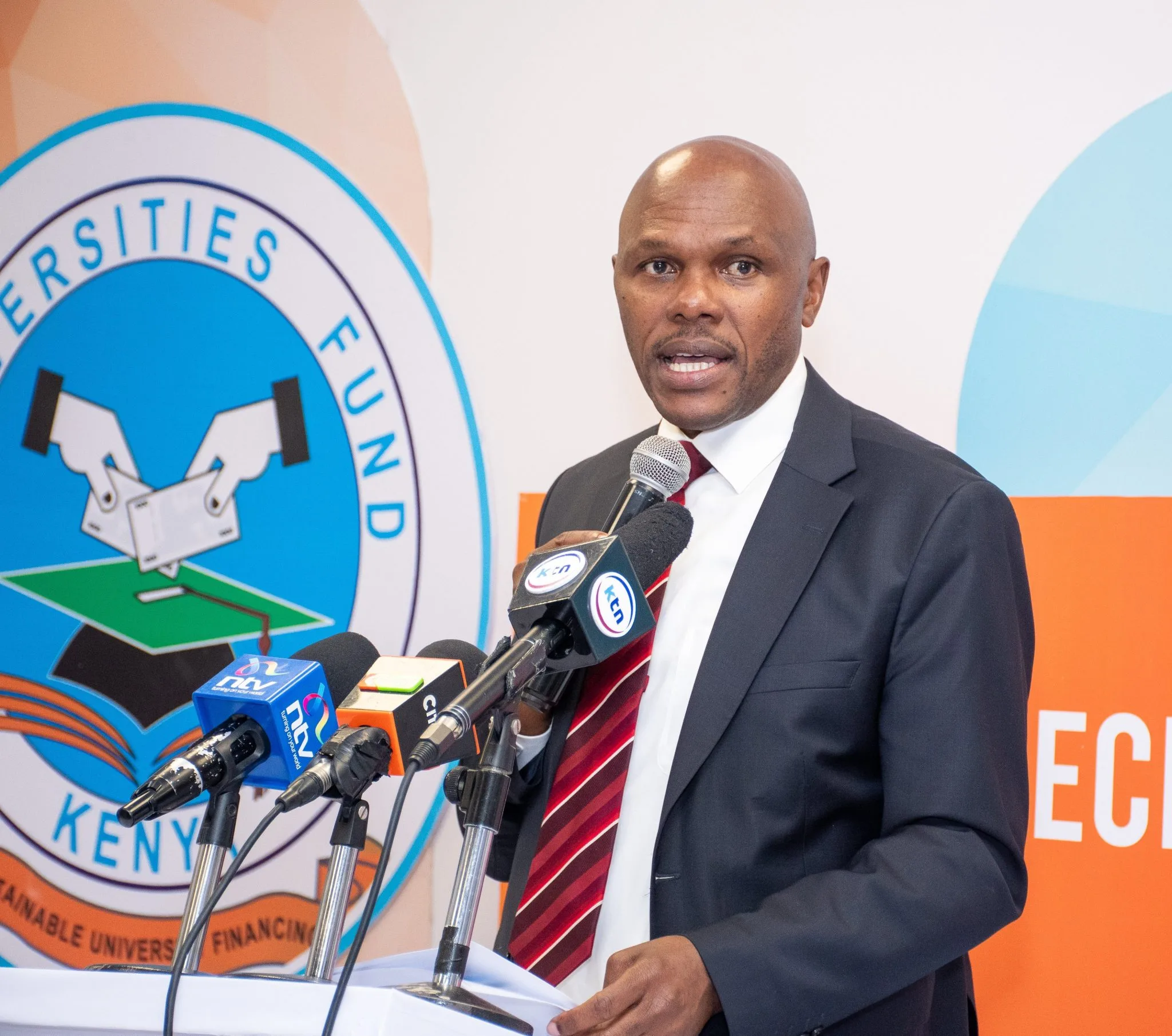
Acting Chief Executive Officer Edwin Wanyonyi said the proposed system would enable government agencies, corporate foundations, non-governmental organisations and other private sponsors to share information on beneficiaries, identify students who have not received assistance and distribute available resources more equitably.
He said some students were receiving financial support from several organisations simultaneously, while others struggled to meet the cost of their education or missed out on funding altogether.
“Our biggest challenge isn’t mobilising resources; it is creating impact with the resources we already have,” Wanyonyi said.
“There are students who are overfunded, and yet we have students who are underfunded and others not funded at all.”
Speaking during a meeting of scholarship and bursary providers in Nairobi on Wednesday, October 28, Wanyonyi urged stakeholders to move away from operating independently and adopt a coordinated approach to student financing.
“Some of the students we are funding are also being funded by your organisations. How do we collaborate?” he asked.
The meeting, held under the theme Reaching More Students, Together, brought together funding organisations to explore ways of pooling resources, exchanging information and expanding support to learners whose financial needs remain unmet.
The proposed database would build on the Universities Fund’s role in managing student funding information, allowing participating organisations to establish the level of assistance individual learners receive before awarding additional scholarships.
Stakeholders said the system would need to incorporate safeguards to protect students’ personal information in accordance with the Data Protection Act, 2019.
The initiative is intended to improve the distribution of existing resources, although it would not, on its own, bridge the funding deficit facing the government’s scholarship programme.
Under the Student-Centred Funding Model, the Fund projects that approximately 608,879 students will benefit from scholarships in the 2026/2027 financial year, reflecting growing demand for financial assistance.
Wanyonyi said closer cooperation among funding agencies would help ensure that students who qualify for university education are not denied opportunities because of their financial circumstances.
“Every Kenyan student who qualifies for university deserves the opportunity to pursue higher education. By working together and improving coordination among scholarship providers, we can ensure that available resources reach more students and have a greater impact,” he said.
Participants also discussed joint campaigns to sensitise students about available funding opportunities, resource mobilisation and partnerships to widen scholarship coverage.
The deliberations are expected to inform a framework for sustained collaboration among scholarship and bursary providers.
The funding gap comes amid broader financial pressures in the higher education sector, with universities and student financing agencies facing competing demands as enrolment grows.
The projected scholarship requirement of Sh47 billion means the current allocation would cover about 64 per cent of the amount needed, leaving a deficit of approximately 36 per cent.
The actual impact on individual students will depend on how the available funds are distributed, eligibility assessments and any additional allocations secured during the financial year.
The proposed database could help reduce overlapping awards and direct support to underserved learners, but additional funding would still be necessary to meet the full projected cost of scholarships.
- scholarship
- student
- fund
- funding
- resource
- universities
- database
- education