What an eight-hour power cut taught me about food stockpiling
What you need in an emergency is a deep pantry • Sign up here for our weekly food newsletter, Feast I’m writing this from the North Sea coast, where I’m in a semi-enforced lockdown at my in-laws’ house. Like most of the UK, storms Austen and Boelo hit us in quick succession, and we’ve been in and out of power cuts ever since.
Blue cheese and sardines can only get you so far. What you need in an emergency is a deep pantry
I’m writing this from the North Sea coast, where I’m in a semi-enforced lockdown at my in-laws’ house. It’s only temporary. Like most of the UK, storms Austen and Boelo hit us in quick succession, and we’ve been in and out of power cuts ever since. We were in the kitchen when the first storm hit and we slipped into an eight-hour power cut.
Of course we didn’t know it would be eight hours at the time, so you can only imagine the panic-raid lunch of all the things we worried might go off: blue cheese and cold chicken on semi-defrosted bread; fridge-cold stewed apple with warming yoghurt; and, finally, a thumb of goat’s cheese with some dark chocolate that I found in my bag. Once the rain stopped, we headed to a pub seemingly untouched by this so-called “weather bomb” and had chips. All in all, a fairly civilised array of picky bits, though I appreciate goat’s cheese and chocolate isn’t for everyone, which is why I ate them in the bathroom.
I’d already been wondering about the timing of the government’s Be Ready campaign last week, which urged us to keep enough supplies to manage for 72 hours. Maybe it wasn’t just about tapping into our autumnal urge to pickle and preserve, after all. It was only once the power went off that I actually bothered to read the National Resilience Checklist before the wifi went, too. For three days, it recommends three litres of water per person per day, as well as enough non-perishable food (tinned meat, fish and vegetables, dried fruit and nuts) to get you through.
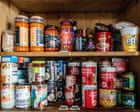
With the next few days in mind, I did a quick inventory of my in-laws’ store cupboard. And while I enjoy capers, white marzipan, sardines, dried dates and cannellini beans in their own way, 72 hours suddenly felt like a lifetime. Spotting a pouch of Merchant Gourmet Spanish-style grains, I briefly flirted with the idea of hiding it in another cupboard for leverage, before accepting that might be a bad vibe. Had we been at home, it would have been coconut milk, Jaffa cakes and various seeds.
Despite government advice, I had planned to avoid Tesco, assuming it would be overrun by panicked locals and denuded shelves. There’s a logic to panic shopping in times of panic, but we’re not there yet, guys! If we start rapidly changing our buying habits, we risk dismantling an already precarious system that can adapt only so much. The so-called doom boom – the surge in doomsday prepping – will make things only worse; one person’s stockpile is another person’s shortage. It’s worth remembering that local community resilience matters much more than any fancy bunker planning.
Still, fear can be powerful, which is probably why I’ve made a list of things we should add to our next few shops. I’m aiming for a more “deep-pantry” method: buying two or three extra items a week max, and only what we’d want to eat tomorrow. There is something strangely relaxing about pulling together a no-cook dinner from a more prudent shopping excursion, particularly with all-year salads. Meera Sodha’s no-cook chickpea and tomato salad is a winner at mine even if there’s no power cut. I love the idea of Harumi Kurihara’s Hijiki seaweed salad because I have most of the ingredients, and in retrospect I probably could have made Anna Berrill’s sardine and celery salad this week. Hugh Fearnley-Whittingstall’s recipe for sardine and red onion salad takes five minutes to cobble together.
Other than that, if I learned anything from those eight long hours out here, it’s the following: sweetened condensed milk can be both a pudding and a coffee whitener; got kids? Get UHT milk for cereal; most prepper-friendly meals tend to come from canned food, but think about pouches, too; think first in, first out, and place new food at the back of the cupboard or fridge, so you eat the older stuff first; think about food not as an add-on but as the whole meal (canned smoked mussels go well with canned white beans, say); and, finally, if you really want chips, make sure you have a cooking stove, and consider planting potatoes. They are weirdly easy to grow.
Sandwich saint | It’s been over six months since Pret stopped selling its only good sandwich, the jambon beurre, due to a possible cornichon shortage. I’ve spent almost all that time perfecting my own version using ingredients from Lidl. Then, the other week, I got a tip-off that chef Pascal Wiedemann at Pompette in Oxford makes the best version, not least because every single element – baguette, ham, cornichons, butter, dijon mustard – is made in-house. It takes him three days from start to finish, and they sell it every day! I’m particularly excited by the ham, which comes from the Tamworth pigs at nearby Paddock Farm. I’m off to Oxford next week, so will report back.
Flying solo | I’m very much married with children, but have been vicariously enjoying Eli Davies’ The Spinster Cookbook. Memoirs and recipes always make the best reading, though don’t buy this if you want only recipes – the first one, about drinking vodka and “fancified” toast, doesn’t land for about 70 pages. It’s more of a manifesto for single women that follows Davies’ relationship to cooking and domesticity as a single woman in a family-size world. Imagine Katharine Whitehorn scarfing Kettle Chips over the sink, and you’re halfway there.
TV dinners | I have become quietly fascinated by the contestants’ eating habits on The Traitors. The way they balance plates of lasagne and chopped salad on their laps. The sheer quantity of toast and juice consumed at breakfast – and why no one touches the pastries (according to previous contestants, they’re stale). I did a deep dive on Reddit to find out what’s in those jars in the kitchen, and can confirm: Skittles, dried apricots, dates and Haribo gummies.
- power
- cut
- food
- cheese
- hour
- stockpiling
- goat
- chocolate