CAR Tightens Border Checks As DR Congo Ebola Cases Rise

With the vast majority of the 10,000 cases recorded to date in Africa’s latest outbreak of the deadly virus having been logged in the DRC, officials in the Centrafrican capital Bangui are worried about the disease spilling over the Oubangui river dividing the two nations. Never Too Prepared “We have entry points staffed by health workers, the Water and Forests Department, Customs, Civil Protection and Internal Security Forces,” explained Dr Valentin Nebanga, departmental head at the Ministry of Health.
As the Democratic Republic of Congo grapples with its deadliest Ebola epidemic in history, the neighbouring Central African Republic has tightened frontier controls, with daily checks on the many travellers crossing the border. With the vast majority of the 10,000 cases recorded to date in Africa’s latest outbreak of the deadly virus having been logged in the DRC, officials in the Centrafrican capital Bangui are worried about the disease spilling over the Oubangui river dividing the two nations.
At the M’Poko Bac pier, in the Bimbo district southwest of the capital, travellers who have just crossed the river from the DRC wash their hands under the watchful eye of a health worker, before having their temperature taken. “Passengers arriving by canoe dock at the entry point. Then they disembark one at a time,” explained Maldiana Bagalama, tasked with health screening at the site.
“One of our colleagues is there to direct them to the hand-washing station. Next, we brief them on the situation, then direct them to the tent for temperature checks and registration,” Bagalama added. Fears that an outbreak which has killed almost 5,000 people will reach the CAR are fuelled by the presence of the virus in the three Congolese regions bordering the country.
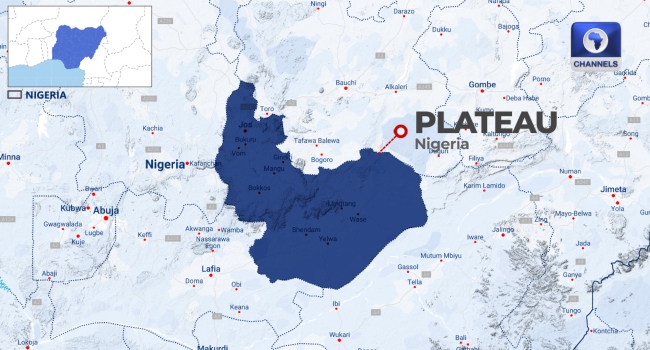
On top of that, the DRC and CAR share a porous and largely unmonitored frontier stretching for more than 1,500 kilometres (930 miles). While the DRC is the epicentre of the outbreak, the virus has nonetheless spread to several other regions on the continent, with several cases reported in Kenya and one detected as far west as Nigeria. Ebola, transmitted through contact with bodily fluids and which causes a severe haemorrhagic fever, has already claimed more than 15,000 lives in Africa over the past 50 years.
Despite the risks, economic activity continues apace along the Oubangui river. Fishermen, canoe operators, sellers of fresh fish and many others all depend on the vital waterway linking between the two countries. ‘Constant Contact’ “We are worried because we work right here, by the river, and if Ebola reaches here we shall be the first to fall victim to it.
We’re asking the ministry of health to take far greater precautions,” said Neige, a fishmonger and mother-of-three. A few metres away, Foxy Yeti Nzapa, 25, ferried passengers by canoe. A father-of-two, he fears that travel between the two countries may expose him to the virus. “It’s hard to find work in the Central African Republic and this is my only source of income.
My concern is that the people we bring back from the other side might also put us at risk, given that we provide transport between the two countries without any protection. It’s dangerous,” he said. “From over there, we sometimes hear this or that person has died of Ebola. I could also become infected. So we need preventive measures to protect ourselves, as we are in constant contact with the other side,” Foxy insisted.
His concern is shared by the Centrafrican authorities, which insist that they have toughened their border controls. Never Too Prepared “We have entry points staffed by health workers, the Water and Forests Department, Customs, Civil Protection and Internal Security Forces,” explained Dr Valentin Nebanga, departmental head at the Ministry of Health.
“All passengers, both those arriving and departing, are systematically screened by community health workers. “They take their temperatures and ask travellers a number of questions using a standardised form,” Nebanga added. In addition to those checks, the authorities have launched awareness-raising campaigns. Neighbourhood chiefs, community leaders and religious figures are being drafted in to pass on prevention guidelines to residents.
For Nebanga, preparedness also means keeping the public engaged and making sure that they understand the importance of protective measures, particularly while there are no reported cases in the CAR. Yet around the river, residents’ growing concerns are starkly visible in their daily lives. For those who make a living from river transport, fishing or trade, avoiding travel is not always an option.
“We’ve not had any cases yet, but our biggest challenge remains retaining staff and keeping them engaged,” said Nebanga. But “we are never fully prepared”, he conceded. AFP
- ebola
- car
- border
- health
- congo
- virus
- drc
- river