Petrol price to drop by 3.51%, while diesel will go up by 1.50% from Nov. 1 – COMAC
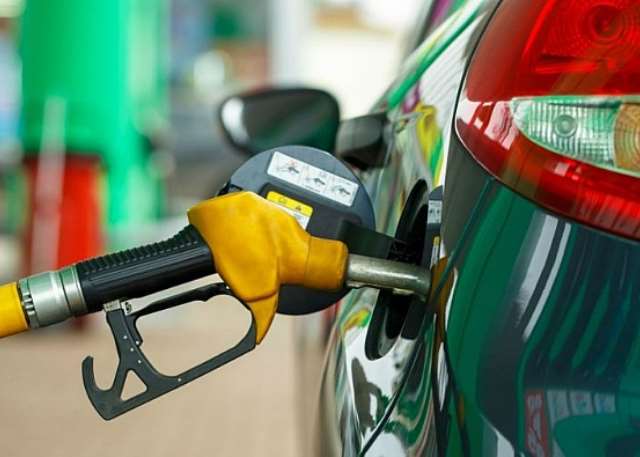
Data from JoyBusiness indicates petrol could sell at GH¢17.02 per litre, while diesel could reach GH¢18.99 per litre. Market data obtained by JoyBusiness shows the petrol floor fell from GH¢16.09 to GH¢15.39 per litre.
Petrol prices are expected to fall by up to 3.35% per litre from November 1, 2026, while diesel prices could rise by 1.50%, according to the Chamber of Oil Marketing Companies (COMAC). Liquefied petroleum gas (LPG) prices are also projected to increase by 0.81% per kilogram during the November 1–15 pricing window. Data from JoyBusiness indicates petrol could sell at GH¢17.02 per litre, while diesel could reach GH¢18.99 per litre.
Actual pump prices will vary between marketing companies. Why the mixed pricing outlook? COMAC attributes the outlook to movements in international petroleum prices, the cedi’s appreciation, and continued government–industry support that moderates diesel price increases. Crude oil prices declined by 1.90% during the review period. However, refined petroleum product prices moved in different directions.
International petrol prices fell by 4.97%, while diesel rose by 3.54%. LPG recorded the largest increase at 21.33%. Meanwhile, the cedi appreciated by 0.70% to GH¢11.7326 per US dollar, based on average bank rates between October 12 and October 27, 2026. According to COMAC, the Ghana Gold Board’s foreign exchange interventions over the past three weeks have provided modest support for the currency.
It also cited a planned US$1.5 billion injection to support the cedi’s recovery and stability ahead of the festive period. The chamber said the projected pump price adjustments reflect both international refined-product prices and the stronger cedi. Government–industry intervention is also expected to cushion consumers against the full increase in diesel prices.
Adjustments to the Energy Sector Shortfall and Debt Repayment Levy (ESSDRL) and selected statutory margins in the diesel price build-up remain in place for one month. “The total value of the intervention remains unchanged, maintaining the Government–industry burden-sharing arrangement introduced on 16 April 2026 to moderate increases in diesel prices at the pumps,” COMAC said.
NPA’s price floor The National Petroleum Authority (NPA) has also set new minimum price floors for the pricing window beginning November 1. Market data obtained by JoyBusiness shows the petrol floor fell from GH¢16.09 to GH¢15.39 per litre. The diesel floor has increased from GH¢17.09 to GH¢17.41 per litre. The LPG floor has declined from GH¢13.89 to GH¢13.73 per kilogram.
These figures are minimum price floors, not final retail prices. According to the NPA, they exclude premiums charged by International Oil Trading Companies, operating margins of Bulk Import, Distribution and Export Companies, and margins charged by Oil Marketing Companies and LPG Marketing Companies. The respective companies will determine these charges independently under the prescribed Petroleum Products Pricing Formula.
- price
- diesel
- petrol
- comac
- floor
- litre
- companies
- petroleum