The tragic death of Javits Frimpong: Let us confront bullying without turning it into a black-on-black racial divide

The tragic death of 15-year-old Javits Frimpong, a Ghanaian teenager who was fatally shot while walking to school in the Bronx, New York, is a painful reminder of how vulnerable our children can be and how urgently we need to confront bullying, youth violence and the safety of students in our schools and communities. Bullying is not an exclusively African-American problem, nor is it a problem that occurs only between African-American and African immigrant children.
The tragic death of 15-year-old Javits Frimpong, a Ghanaian teenager who was fatally shot while walking to school in the Bronx, New York, is a painful reminder of how vulnerable our children can be and how urgently we need to confront bullying, youth violence and the safety of students in our schools and communities.
Javits had moved from Ghana to the United States to reunite with his father and begin a new chapter of his life. Like many African immigrant parents, his father must have brought him to America with the hope of giving him better opportunities, access to quality education and a brighter future. Sadly, that dream has been cut short in the most heartbreaking circumstances.
Reports indicate that Javits had experienced bullying at school and that his father had raised concerns with school authorities. At least two students were reportedly suspended following incidents involving the teenager. His father believes the shooting may have been connected to the bullying. However, the police have not established a connection between the school incidents and the killing, and the circumstances surrounding the shooting remain under investigation.
We must therefore demand a thorough investigation, accountability for whoever is responsible and appropriate support for the bereaved family. No parent should have to bury a 15-year-old child under such circumstances.
But beyond the immediate tragedy, I believe there is an important conversation we, particularly African immigrant communities in America, must approach with care and maturity.
There is a need for African immigrants to be careful about how we frame conversations surrounding bullying in American public schools, particularly incidents involving African immigrant children and African-American children.
I understand the anxiety and frustration within our communities. Parents who bring their children from Africa to America expect them to enjoy the opportunities, security and protection that should come with growing up in a country that promises equal opportunity. When an African immigrant child experiences bullying, discrimination or hostility, it is understandable that parents and community members will be concerned.
However, we must be careful not to frame every such incident as a confrontation between Black Americans and Black Africans. Doing so risks creating a racial division that does not address the underlying problem and could unnecessarily deepen tensions between two communities that share much more in common than what separates them.
Bullying is not an exclusively African-American problem, nor is it a problem that occurs only between African-American and African immigrant children. It is a broader social and educational problem that affects children across racial, ethnic and cultural backgrounds.
There are well-known instances of Black children being bullied in predominantly White schools. There are also instances of immigrant children being bullied by other immigrant children, and of children from different racial backgrounds bullying one another. The common denominator is bullying, not necessarily race.
We should therefore avoid allowing the circumstances surrounding Javits’ death to become an indictment of an entire racial or ethnic community. The identities, motives and possible connections of those responsible for his death must be established through a proper investigation, not assumptions or collective blame.
If we turn this tragedy into an African-versus-African-American debate, we risk losing sight of the real issue: the safety of our children and the culture of bullying and violence that must be confronted.
Bullying can take many forms. It may be physical, verbal, psychological, social or cyber-based. It can involve racial insults, hostility towards someone’s accent, ridicule of their background, exclusion because of their cultural identity or repeated intimidation.
One aspect of bullying that we sometimes overlook is that teachers themselves can also become victims of bullying, particularly from students. Teachers, especially those from African, Caribbean backgrounds and Hispanic backgrounds, may sometimes face intimidation, disrespect, ridicule and other forms of hostility from students who exploit cultural differences, accents or unfamiliarity with certain aspects of the American school environment.
I speak from personal experience. I was once a high school teacher in New York, where I taught Algebra 2, Trigonometry and Pre-Calculus. These are not the easiest subjects to teach, particularly because many students already have a phobia of mathematics and approach these subjects with anxiety and reluctance.
During my time in the classroom, I experienced situations where some students attempted to bully and intimidate me. Had I not lived in the United States for several years before entering the teaching profession, I might have found the experience extremely frustrating and probably walked away from the job.
Teaching in an American high school requires more than subject knowledge. You must understand the school culture, the students' behaviour, the education system and how to manage different personalities in a classroom. You also need to know how to establish authority without turning every disagreement into a confrontation.
Despite those challenges, teaching became one of the most rewarding careers I had in the United States. It gave me a firsthand understanding of how the American education system works, the challenges teachers encounter and the importance of parental involvement in a child's education. More importantly, it taught me valuable lessons about how to prepare and raise my own children as they navigate the American school system.
I share this experience to make a broader point that bullying is not always a simple matter of one racial group targeting another. It can take different forms, involve different people and occur in different relationships. Students bully other students, and sometimes students bully teachers. Teachers can also mistreat students. The issue requires us to look beyond racial assumptions and examine the behaviour, culture and circumstances that allow bullying to thrive.
This is why our conversations must be balanced. We should listen to children, support teachers, hold schools accountable and ensure that everyone within the educational environment is treated with dignity and respect. An African child who has recently arrived in America may have to adjust to a new environment, a different educational system, unfamiliar social expectations and sometimes a different way of speaking. Such children may become targets of ridicule because of their accents, cultural practices, clothing or unfamiliarity with certain aspects of American life. Schools must take these experiences seriously.
At the same time, we must recognise that African-American children also experience bullying, including in predominantly White educational environments. Their experiences deserve the same attention, empathy and seriousness.
The solution cannot be to encourage African immigrant children to see African-American children as their adversaries, or vice versa. It must be to create school environments where every child, irrespective of race, nationality, ethnicity or immigration background, feels safe, respected and protected.
Schools must establish effective reporting systems, investigate complaints promptly, protect students who report bullying from retaliation and engage parents when incidents occur. Disciplinary action should also be accompanied by appropriate counselling, monitoring and interventions that address the behaviour responsible for the problem.
Parents equally have a responsibility to teach their children respect, tolerance, self-control and peaceful conflict resolution. We cannot demand that schools do everything while ignoring the influence of the home and the wider community.
African immigrants must understand that our experiences in America are connected to a much larger Black experience. African-Americans have their own history, struggles, sacrifices and contributions to American society. African immigrants also bring their histories, cultures, aspirations and experiences.
We may have different cultural backgrounds, accents, traditions and migration experiences, but those differences should not become reasons for hostility.
There may be genuine tensions and cultural misunderstandings between some African immigrants and African-American children. Those issues should be acknowledged and addressed honestly rather than dismissed. However, acknowledging such tensions is different from portraying an entire community as hostile towards another.
We must also be careful about the language we use on social media. A tragedy involving one child must not become an opportunity to circulate unverified accusations, generalise about an entire racial group or encourage resentment.
More troubling is the fact that some people are willing to turn Javits’ tragic death into an argument about why Africans should remain in Africa rather than migrate to the United States. That alone tells you why we must learn to ignore certain people, regardless of how many there are or how loudly they express their idiotic views.
To exploit the death of a 15-year-old boy to discourage others from pursuing opportunities abroad is deeply insensitive. Such thinking demonstrates a shocking absence of empathy, emotional intelligence and, quite frankly, basic common sense. There is a time for debate and a time to show compassion. A grieving family deserves our sympathy, not an opportunity for people to advance their personal agendas.
We can have honest conversations about the challenges of raising children in America, school safety, migration and the realities of life abroad without using someone's death as a platform for insensitive commentary. We can demand justice for Javits without blaming African-Americans collectively. We can condemn bullying without creating racial divisions. We can demand that schools protect immigrant children while recognising that every child, including African-American children, deserves the same protection.
Our position must be against bullying, discrimination, intimidation and youth violence, regardless of who commits them or who becomes the victim. The death of Javits Frimpong should prompt serious questions about school safety, bullying prevention, access to firearms, youth violence and the responsibilities of parents, schools and community institutions.
We must establish whether the bullying he reportedly experienced had any connection to his killing. We must also insist that the authorities investigate the circumstances thoroughly and bring anyone responsible to justice.But we must not allow grief and anger to lead us into a narrative that divides Black Americans and Africans. That would be an unfortunate outcome of an already devastating tragedy.
A 15-year-old boy lost his life. A father has lost his son. A mother in Ghana has lost her child. A family has been plunged into grief, and a community is searching for answers.
Javits deserved to live, to learn, to make friends, to pursue his dreams and to experience the opportunities his parents hoped America would offer him.
Let this tragedy strengthen our resolve to protect every child, regardless of where that child comes from.
Justice for Javits Frimpong. An end to bullying. An end to youth violence. And a united commitment to the safety and dignity of all our children.
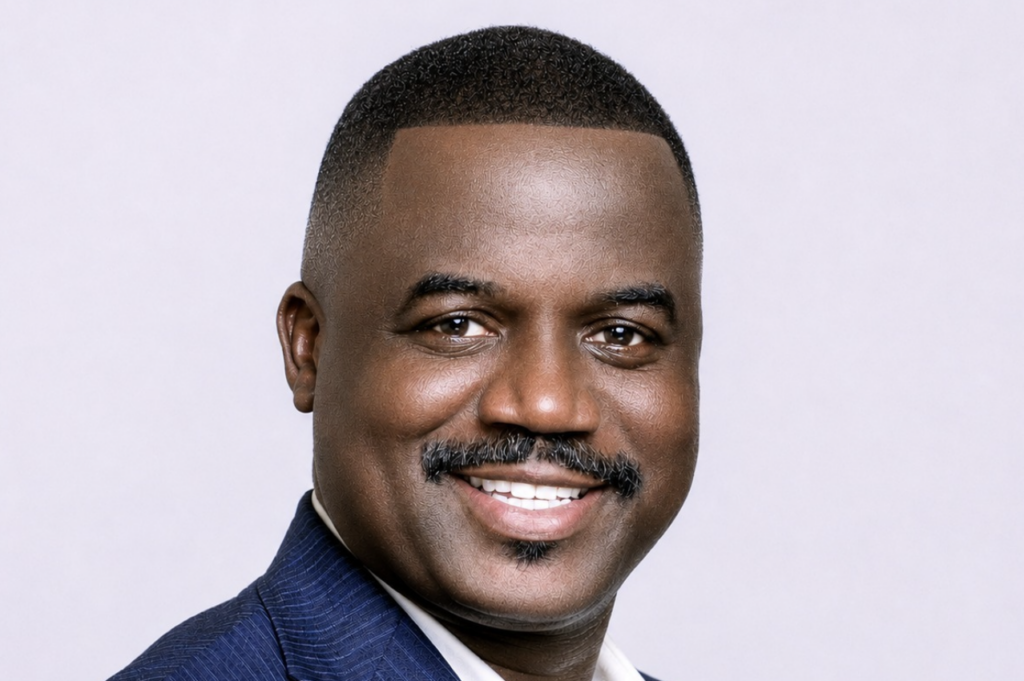
Alhaji Baba SuwariSTEM AdvocateExecutive Member of Yankasa Association USABronx, New Yorkalhajisuwari@gmail.com
- bullying
- child
- death
- school
- javits
- community
- frimpong
- father