Ghana, We Need to Talk: Have we graduated from school without learning how to think?
Have you met someone with a PhD who struggles with disagreement, or someone who knows the Bible from Genesis to Revelation but struggles to show kindness? School and Life Do Not Always Teach the Same Lessons In school, failure often shows up as a poor grade; in life, it can become an experience that prevents a bigger mistake.
Have you met someone with a PhD who struggles with disagreement, or someone who knows the Bible from Genesis to Revelation but struggles to show kindness?
What about someone married for 30 years who still struggles to communicate with their partner?
These examples raise an important question: Does formal education necessarily prepare people to navigate everyday life?
Many spend 15, 20 or even 25 years in school, yet some of life’s most important lessons remain unlearned. A certificate does not automatically equip someone with the judgement, emotional intelligence and practical skills needed to navigate relationships, leadership and everyday challenges.
School and Life Do Not Always Teach the Same Lessons
In school, failure often shows up as a poor grade; in life, it can become an experience that prevents a bigger mistake.
School rewards correct answers, but life often rewards asking the right questions. Copying another student’s work is cheating; learning from someone with experience is wisdom.
Classroom assignments may be individual, but success at work and in society often depends on collaboration and complementary skills.
Schools emphasise following instructions, but life sometimes demands that we question established practices. The real world does not always provide four options and one correct answer; sometimes, we must identify the problem and develop a solution.
The Problem Is Not School, but What We Do with What We Learn
This is not an argument against formal education or academic qualifications. Education remains essential to personal growth and national development. Mathematics, science, literature and the humanities provide foundations for societal progress.
The concern is what happens when we leave the classroom without developing the capacity to apply our knowledge meaningfully.
Someone can study leadership yet lead poorly, earn a communication qualification yet struggle to converse meaningfully with family, or study ethics yet act dishonestly when nobody is watching. Experience also does not guarantee a willingness to learn.
Knowing something and demonstrating it through our actions are different. Education must equip people with information and the judgement to apply it responsibly.
This disconnect between knowledge and practical wisdom shows up in many aspects of Ghanaian society.
Consider our political environment. At times, loyalty to political parties appears to take precedence over independent thinking and constructive criticism. Some individuals defend positions because of their affiliations, even when evidence suggests that another approach deserves consideration. Yet effective leadership requires accountability, independent judgement and the willingness to acknowledge mistakes.
The same challenge exists within families. Many of us grew up with the instruction that children must be seen and not heard. Respect for parents and elders is important, but should it prevent young people from questioning unhealthy practices or contributing to family decisions? Respect should not come at the expense of independent thinking.
Religion presents another example. Sometimes, arguments over doctrines and who is right overshadow the values religious teachings seek to promote: compassion, honesty, forgiveness and humility. What is the value of knowing the right words if our actions tell a different story?
This is not peculiar to one party, religion or generation; it reflects our tendency to acquire knowledge without translating it into responsible conduct.
The World Is Changing. Are We Changing with It?
The world our children are entering differs from the one for which many of us were educated. Artificial intelligence is transforming workplaces, businesses are evolving and information is available at the touch of a button.
Information matters, but so does the ability to interpret it, distinguish fact from misinformation, solve unfamiliar problems and acquire new skills.
This raises a question about educational success: should qualifications and examination results remain the principal indicators when employers increasingly expect practical competencies?
Can graduates solve problems, communicate, adapt, collaborate and make decisions without waiting for instructions? Education must produce critical thinkers who apply knowledge, not merely reproduce classroom information.
If an employee respectfully challenges a procedure that wastes company resources, should management label that person difficult, or consider changing the procedure?
Should a child who respectfully questions a family practice automatically be called disrespectful? Does a religious leader who admits a mistake lose authority, or does it show humility?
Life requires sound judgement, not simply the ability to follow patterns. Questioning everything isn't intelligence, just as rejecting instructions isn't necessarily independent thinking. Sometimes, listening and learning from experience are wiser.
The real skill lies in knowing when to follow, when to question, when to collaborate and when to challenge.
Young people must take education seriously and pursue academic excellence, but passing examinations is not the same as being prepared for life.
Graduates should see certificates as a foundation, not the only measure of their worth. They must also demonstrate problem-solving, communication, integrity and the ability to contribute.
Parents should encourage children to think critically, ask questions and make responsible decisions. Obedience matters, but so does raising adults capable of sound judgement.
Leaders must recognise that leadership is not simply about having followers; it is about enabling people to think independently, contribute ideas and help society progress.
Perhaps it is time to ask ourselves: Have we actually grown, or have we simply grown older with more certificates?
School is an environment for learning, but life is a broader classroom. We should graduate from school, never from learning.
The greatest tragedy is not leaving school without a certificate, but leaving with impressive qualifications and failing to think critically, adapt or apply knowledge beyond the classroom.
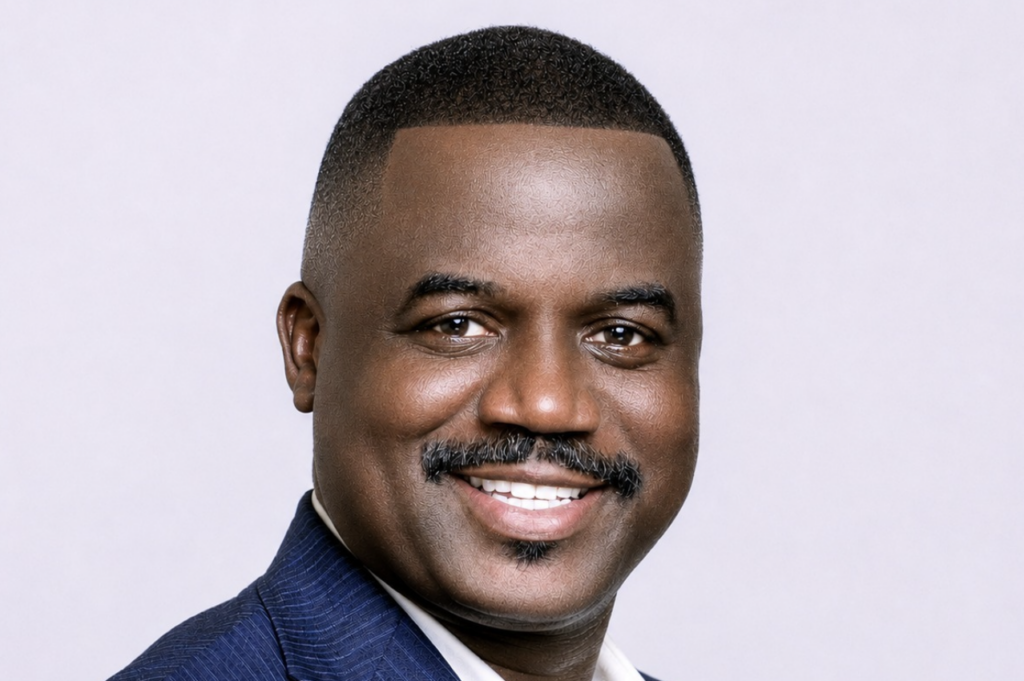
Dr Raymond Dumeh, Acting Dean, Faculty of Business Administration and Communications Arts, Academic City University
- school
- life
- education
- people
- judgement
- leadership
- experience
- world


