AI not enemy of democracy — Amupitan
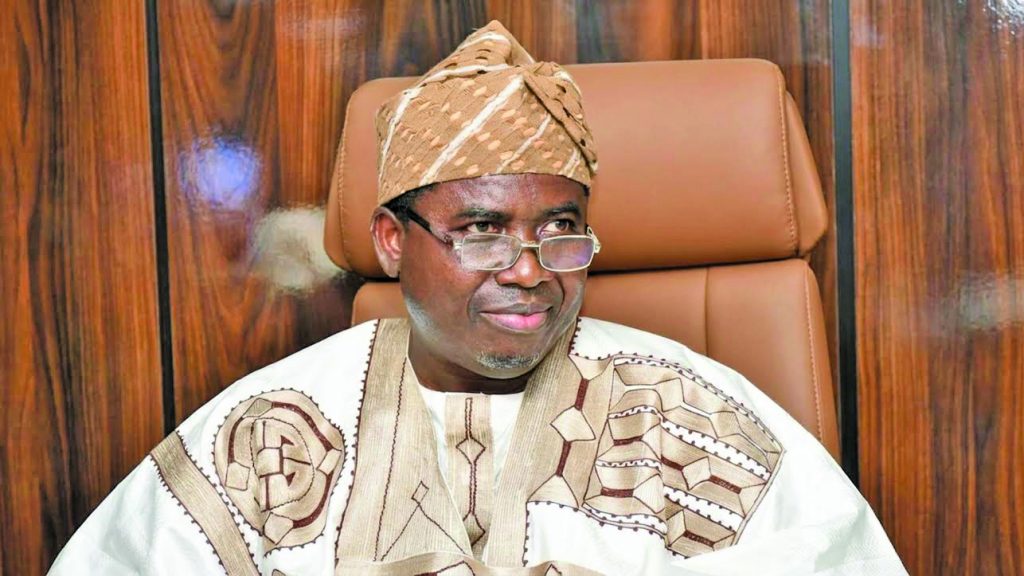
THE Chairman of Independent National Electoral Commission, INEC, Prof. Joash Amupitan, has defended the use of Artificial Intelligence in election management. The INEC chairman’s remarks came amid preparations for the 2027 general election, with the commission recently announcing plans to integrate AI into Nigeria’s electoral system.
THE Chairman of Independent National Electoral Commission, INEC, Prof. Joash Amupitan, has defended the use of Artificial Intelligence in election management. According to him, the technology is not a threat to democracy, despite its potential misuse by malicious actors. Amupitan said AI could improve electoral administration through efficient voter registration, logistics planning, data analysis and the management of large voter databases.
He warned that advances in generative AI had made it easier to create deceptive content capable of undermining public confidence in elections. The INEC chairman, who stated these at The Beyond the Ballot Summit in Abuja yesterday, explained that electoral management bodies worldwide had adopted AI-assisted processes to improve administrative efficiency and strengthen election planning.
The INEC chairman’s remarks came amid preparations for the 2027 general election, with the commission recently announcing plans to integrate AI into Nigeria’s electoral system. He said: “Artificial Intelligence, AI, is not an enemy of democracy.” He, however, expressed concern over the growing accessibility of generative AI tools which, he said, could be exploited to manipulate voters and spread disinformation during elections.
“However, the rabid democratisation of generative AI models has dramatically lowered the barrier to entry for malicious actors, capacities, capabilities that want to require speedy-level intelligence resources such as high voice cloning of public figures, hyper realistic synthesis of election officials making false announcements are now accessible at negligible cost.
These tools target specific vulnerabilities with distinct timelines,” Amupitan said. The growing use of AI in electoral processes has heightened concerns about the spread of fabricated announcements, manipulated audio recordings and realistic videos that could mislead voters, impersonate public officials and disrupt election administration. While the technology offers opportunities to improve the efficiency of election management, its potential misuse presents challenges for electoral integrity, particularly in an environment where false information can spread rapidly through social media.
INEC’s planned adoption of AI, therefore, places renewed emphasis on the need to balance technological innovation with safeguards against misinformation, impersonation and other forms of digital manipulation. The commission noted that it would ensure that the technology strengthened the credibility, transparency and efficiency of the electoral process as Nigeria approached the 2027 polls.
The controversy over the use of AI in elections intensified recently after suspicious photographs, including images believed to have been AI-generated, were found in INEC’s preliminary Register of Voters. The photographs, which appeared in some voter records in Etsako West Local Government Area of Edo State, raised questions about the integrity of the voter database and the processes used to capture and verify registration information.
INEC subsequently acknowledged the questionable records and said it was investigating the circumstances surrounding the photographs. The commission’s Director of Information and Communication Technology, Lawrence Bayode, said some of the AI-generated images were linked to irregularities allegedly introduced by some registration officers who had access to the system.
- election
- amupitan
- democracy
- inec
- voter
- enemy
- commission
- management