Nigeria needs N104bn yearly for health security plan – NCDC

This was disclosed in a statement issued on Monday and signed by the Director-General of the agency, Jide Idris, who explained that the estimated cost of implementing the second National Action Plan for Health Security (NAPHS 2.0) is approximately N522 billion over five years.
Director-General of NCDC, Jide Idris
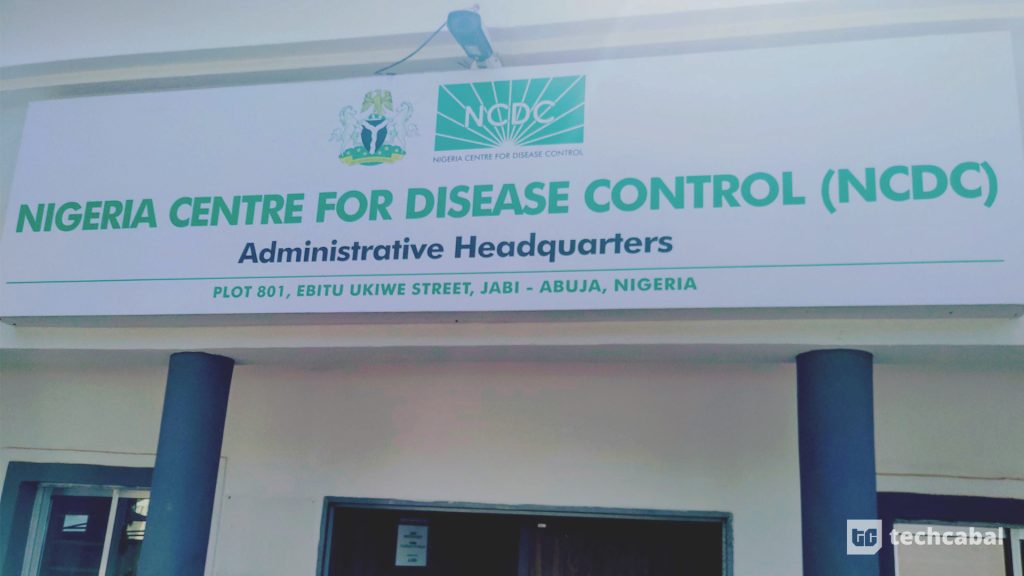
The Nigeria Centre for Disease Control and Prevention (NCDC) has revealed that Nigeria requires an average of N104.4 billion annually to implement its National Action Plan for Health Security, warning that the country remains significantly underfunded to prevent and respond to disease outbreaks.
This was disclosed in a statement issued on Monday and signed by the Director-General of the agency, Jide Idris.
Mr Idris said the estimated cost of implementing NAPHS 2.0 alone is approximately N522 billion over five years.
“This translates to an average of about N104.4 billion annually. Although not all NAPHS activities are funded through NCDC, this figure illustrates the scale of investment required to protect Nigerians against public health threats,” he said..
Mr Idris said the funding requirement covers a broad range of activities aimed at strengthening Nigeria’s capacity to prevent, detect and respond to public health threats.
He noted that the plan was developed following the expiration of the country’s first NAPHS, with inadequate funding identified as one of the major constraints to its implementation.
NAPHS 2.0, which covers 2025 to 2029, adopts a multisectoral, One Health and whole-of-government approach, bringing together government ministries, departments and agencies, development partners, civil society organisations and other stakeholders.
He further explained that the N10 billion emergency intervention fund recently approved by President Bola Tinubu should be understood within the broader funding requirements of the country’s health security system.
Mr Idris said the NCDC’s annual allocation increased from N4 billion in 2024 to N7 billion in 2025, while it also received a N5 billion intervention fund in 2025.
He added that the 2026 Appropriation Act provides N22 billion for the agency.
He said President Bola Tinubu approved an additional N10 billion emergency intervention fund in June 2026, following the outbreak of Ebola in the Democratic Republic of the Congo (DRC).
Mr Idris said the extra funding was requested to strengthen Nigeria’s preparedness for epidemic-prone diseases and was not limited to the Ebola outbreak.
PREMIUM TIMES had earlier reported that Mr Idris said the N10 billion was intended to support preparedness and response activities for several diseases, including Lassa fever, cholera and other endemic infections.
President Tinubu established a Presidential Task Force on Ebola Virus Disease Preparedness and Emerging Public Health Threats in June, chaired by the Chief of Staff to the President, Femi Gbajabiamila, to coordinate the national response.
However, Mr Idris clarified in the statement that the N10 billion was released to the NCDC and not to the Presidential Task Force.
Mr Idris also noted that the funding required for Nigeria’s health security goes beyond the allocations currently provided to the NCDC.
He cited estimates by the Global Preparedness Monitoring Board, which indicate that countries require between $1 and $2 per person annually to achieve an acceptable level of epidemic preparedness.
Applying this benchmark to Nigeria’s population of approximately 240 million, he said the country would require between $240 million and $480 million annually.
He said sustained investments from the federal and state governments, as well as development partners, would be necessary to close the funding gap.
Mr Idris also attributed the persistent underfunding of health security partly to the difficulty of demonstrating the immediate returns on investments in outbreak prevention.
He explained that preventing an outbreak, averting deaths and avoiding economic losses were often less visible than other public health interventions, making it difficult to convince policymakers to prioritise such investments.
He noted that the government must sustain its commitment to health security, adding that effective preparedness would reduce the likelihood of disease outbreaks escalating into national emergencies, disrupting livelihoods and overwhelming health facilities.
Mr Idris urged policymakers, the media and development partners to advocate sustainable funding for the NCDC and Nigeria’s wider health security system.
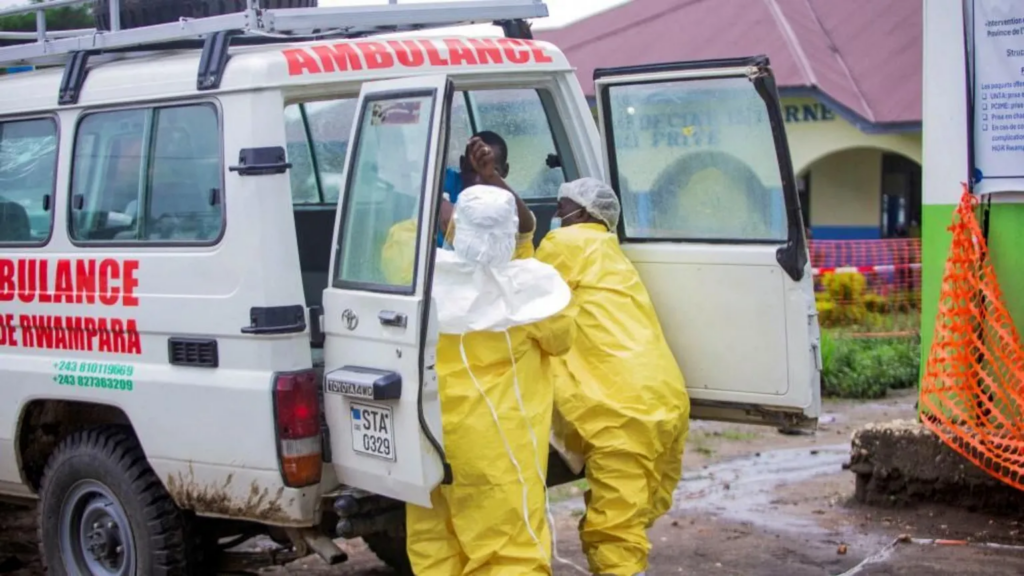
The statement comes amid Nigeria’s response to an imported case of Ebola disease caused by the Bundibugyo virus, confirmed on 20 October.
The patient, a 42-year-old Ugandan-born woman resident in Abuja, was subsequently medically evacuated to Switzerland for continued treatment.
Nigeria has since reported no active confirmed Ebola case, although health authorities are continuing to monitor identified contacts within the 21-day incubation period.
Mr Idris urged Nigerians to rely on verified information and cooperate with public health officials as surveillance and monitoring activities continue.
- health
- security
- plan
- nigeria
- ncdc
- statement
- director
- general