Ogun monarchs charges Nigerian youths to embrace cultural heritage, responsible leadership
By James Ogunnaike, Abeokuta The Olowu of Owu Kingdom we, Oba Prof. Saka Matemilola, has urged Nigerian youths to preserve their cultural heritage, promote peaceful coexistence and embrace responsible leadership, stressing that education, good character and respect for indigenous values are critical to building a progressive society. Speaking on the theme, “Peace, Leadership, Education and Heritage,” Oba Matemilola said the initiative was anchored on three fundamental pillars: cultural identity, peaceful coexistence and responsible leadership.
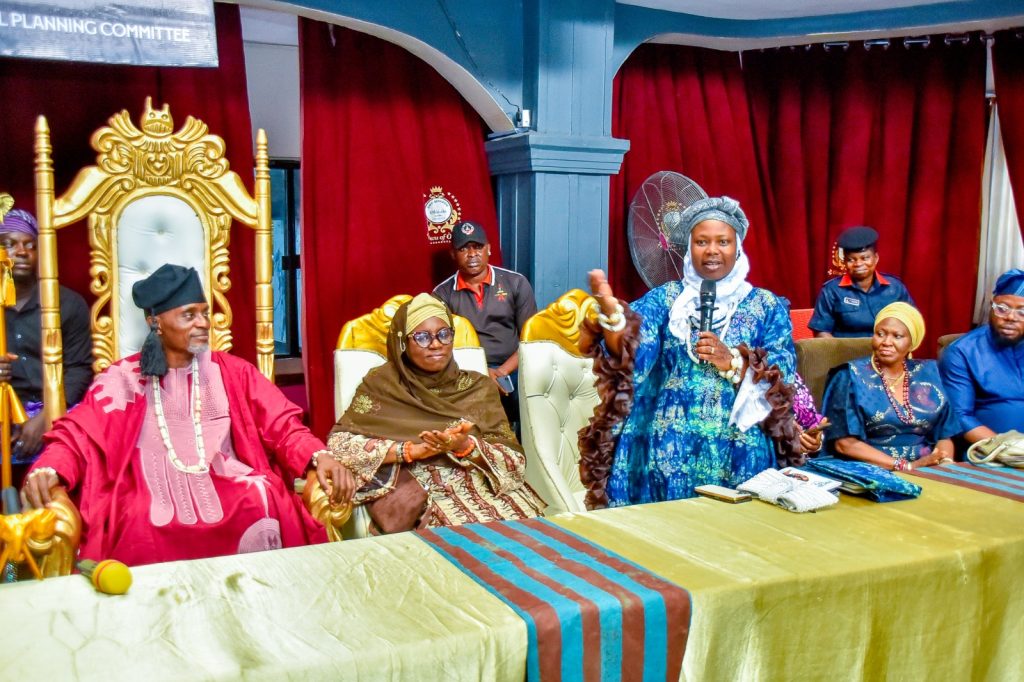
By James Ogunnaike, Abeokuta The Olowu of Owu Kingdom we, Oba Prof. Saka Matemilola, has urged Nigerian youths to preserve their cultural heritage, promote peaceful coexistence and embrace responsible leadership, stressing that education, good character and respect for indigenous values are critical to building a progressive society. The monarch made the call at the official launch of the Olowu Education Pillars and Youth Leadership Summit, organised to inspire young people through education, cultural awareness, leadership development and responsible citizenship.
Speaking on the theme, “Peace, Leadership, Education and Heritage,” Oba Matemilola said the initiative was anchored on three fundamental pillars: cultural identity, peaceful coexistence and responsible leadership. The programme brought together students from eight secondary schools, comprising public and private institutions, with the aim of equipping young people with the knowledge, values and leadership skills required to contribute meaningfully to society.
Reflecting on his personal experience, the monarch recalled his decision to return to Nigeria after establishing a successful professional career in the United Kingdom, describing his cultural roots and national identity as enduring sources of inspiration. He said encounters with Nigerians proudly dressed in traditional attire at airports in the UK reinforced his sense of belonging and strengthened his resolve to remain connected to his homeland.
According to him, the quest for international recognition must not come at the expense of one’s cultural identity. “We must constantly remind ourselves of the importance of preserving our language, culture, traditions and way of life. We must not dilute these essential elements of our identity in an attempt to conform to other cultures,” he said. The monarch particularly underscored the importance of indigenous languages, describing them as essential to people’s self-esteem, cultural consciousness and sense of belonging.
He urged parents, teachers and community leaders to ensure that children grow up appreciating their languages, traditions and cultural values, warning against the gradual erosion of indigenous identity. On peaceful coexistence, Oba Matemilola called for greater investment in traditional conflict-resolution mechanisms, maintaining that sustainable development could only thrive in an atmosphere of peace, mutual understanding and tolerance.
He disclosed that his administration had established an Alternative Dispute Resolution (ADR) team to resolve disputes within the community by combining traditional mediation practices with contemporary approaches to conflict management. According to him, the initiative has successfully resolved some disputes that had remained unresolved for as long as 20 years, while efforts are ongoing to settle other longstanding disagreements.
He explained that several conflicts that could have resulted in prolonged police investigations and costly court proceedings had been resolved through dialogue, compromise and mutual understanding. “The beauty of this approach is that it encourages understanding, compromise and mutual agreement. It is not simply about determining who wins and who loses.
It is about finding common ground and arriving at a resolution that all parties can accept,” the monarch said. He added that the involvement of several impartial individuals in the mediation process helped ensure fairness, accommodate different perspectives and minimise the possibility of bias. Oba Matemilola also stressed that diversity should be regarded as a source of strength rather than division, warning that communities constantly embroiled in conflict would find it difficult to achieve meaningful development.
On leadership, the monarch described positions of authority as opportunities to serve humanity and improve people’s welfare, rather than avenues for personal recognition, prestige or the acquisition of titles. He identified education, healthcare, skills acquisition and environmental protection as critical sectors that responsible leaders must prioritise in their efforts to improve society.
“Leadership is not simply about occupying a position or holding a title. It is about accepting responsibility and using the opportunity to make a positive difference in people’s lives,” he declared. He maintained that the true measure of leadership was the positive impact made on the lives of the people, noting that while titles and positions might eventually be forgotten, the contributions of selfless leaders would remain in people’s memories.
Addressing the students, Oba Matemilola urged them to begin developing leadership qualities from an early age, reminding them that they were already custodians and ambassadors of their cultural heritage. He charged them to take pride in their identity, preserve their indigenous languages and traditions, promote peaceful coexistence and prepare themselves to assume leadership responsibiliti
- leadership
- monarch
- heritage
- identity
- oba
- matemilola
- education
- people