Over 2m Northern children, 25,000 teachers benefit as UK-funded programme closes

Mr Vowles said the UK was encouraged that Nigerian institutions were adopting and expanding the approaches under PLANE to sustain improvements in learning beyond the programme’s lifespan.
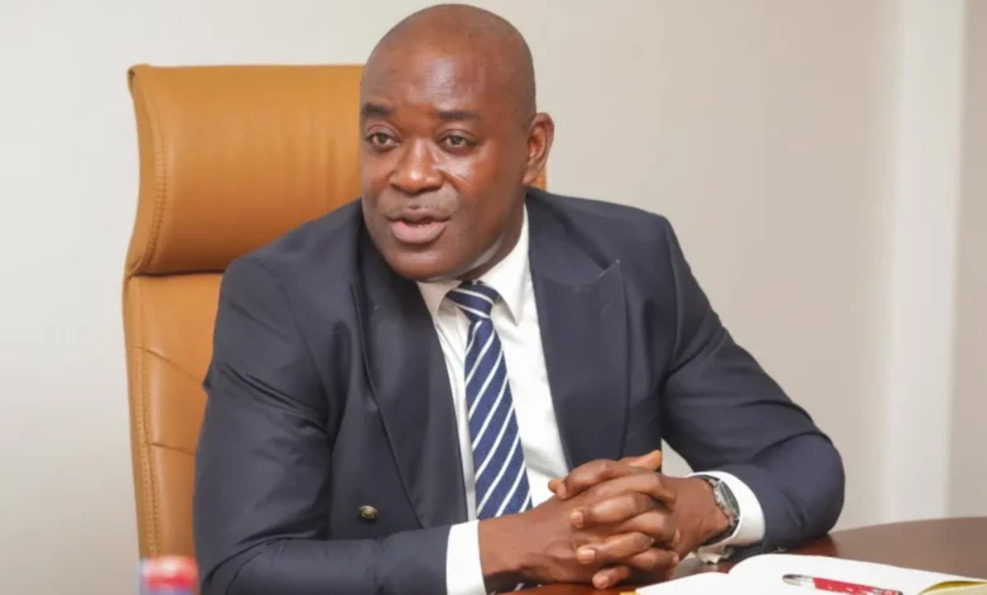
Pete Vowles- UK High Commissioner to Nigeria
More than two million children in Northern Nigeria have benefited from the learning programmes initiated by the UK-funded Partnership for Learning for All in Nigeria (PLANE) since its launch in 2019.
The programme has also supported the training of over 25,000 teachers and facilitators across northern Nigeria within the same period.
The programme’s achievements were highlighted on Wednesday at its close-out event in Kaduna, where education stakeholders called on state governments to sustain the gains and ensure more children have access to quality education after the programme ends.
Implemented by DAI, UNICEF, Save the Children and consortium partners, PLANE supported education reforms, foundational literacy and numeracy, child protection and learning opportunities for vulnerable children, including those affected by emergencies.
Speaking at the event, the British High Commissioner to Nigeria, Pete Vowles, said the programme had demonstrated the value of collaboration among governments, teachers, communities and development partners.
“While we are celebrating the achievements of the programme today, the most important question is what happens next,” he said.
Mr Vowles said the UK was encouraged that Nigerian institutions were adopting and expanding the approaches under PLANE to sustain improvements in learning beyond its lifespan.
“PLANE is closing. The UK’s education partnership with Nigeria is not,” he added.
In his keynote address, Kaduna State Governor Uba Sani said state governments must take responsibility for sustaining the programme’s achievements.
“PLANE has done its part. It is now up to us, the state governments, to keep the progress going and to make sure that every child in our respective states has the opportunity to go to school and learn,” he said.
The governor, represented by his deputy, said Kaduna had increased basic school enrolment from 2.17 million in 2022 to more than 2.57 million in 2025.
He added that recent household mapping across the state’s 23 local government areas put the number of out-of-school children at 187,719, compared with an estimated 535,000 when he assumed office.
Mr Sani said education received 25 per cent of the state’s N985.9 billion 2026 budget, describing investment in education as essential to the state’s development, security and economic prosperity.
He also called for stronger cooperation among states, saying shared challenges could be addressed more quickly through the exchange of evidence and lessons from successful interventions.
The Acting Permanent Secretary of the Federal Ministry of Education, Folake Olatunji-David, said partnerships, reliable data and innovation were crucial to improving access to education and learning outcomes.
She said education stakeholders must go beyond increasing school enrolment and focus on attendance, retention, completion, and foundational literacy and numeracy, particularly among girls, children with disabilities, displaced learners, and other vulnerable groups.
Mrs Olatunji-David urged governments to incorporate effective interventions into education policies, institutional processes and budgets to ensure that gains achieved through development programmes are sustained.
She also emphasised the importance of using reliable education data to identify learning gaps, guide resource allocation and assess the impact of interventions.
The Kaduna State Commissioner for Education, Abubakar Sani Sambo, said the programme had contributed to efforts to improve access to education and strengthen teaching and learning.
He said more than 25,000 out-of-school children had returned to learning across the state’s 23 local government areas, while calling for continued commitment to keeping children in school.
“The seeds sown under PLANE are already bearing fruit,” Mr Sambo said, urging stakeholders to build on the progress recorded.
Education commissioners from participating states, including Kano, Jigawa, Borno and Yobe, also commended the programme and stressed the need for governments to sustain its achievements.
The Borno State Commissioner for Education, Abba Lawan Wakilbe, said the programme’s legacy would depend on what governments and other stakeholders achieved after its closure.
“The legacy of PLANE will not be measured by what it has done, but by what we achieve from it afterwards,” he said.
The programme operated through interventions focused on foundational skills, education in emergencies and community-centred initiatives, working with government institutions and communities to improve learning opportunities for children.
- programme
- child
- teacher
- close
- vowles
- institution
- approach
- plane