The midterms were a thumping rebuke of the US-Israel relationship
Even Trump seems to recognize that the relationship has become a political liability, and may never be the same On the eve of a midterm election that ended in an unequivocal rejection of his brand of politics, even Donald Trump seemed to recognize that the US-Israel relationship had become a political liability. Trump’s 11th-hour suggestion, on election morning, that he would cut military aid to Israel at the end of the year because, as he put it, “they don’t need it”, was condemned across the board – with pro-Palestinian advocates dismissing it as “desperate” and pro-Israel ones as “unserious
Even Trump seems to recognize that the relationship has become a political liability, and may never be the same
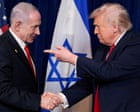
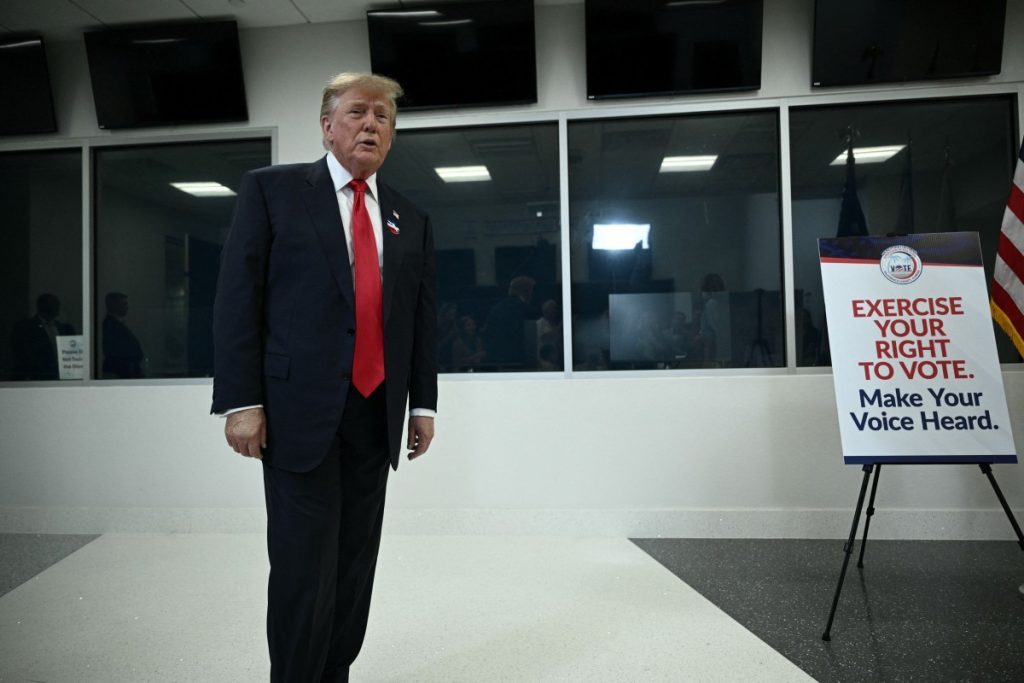
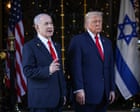
On the eve of a midterm election that ended in an unequivocal rejection of his brand of politics, even Donald Trump seemed to recognize that the US-Israel relationship had become a political liability.
Trump’s 11th-hour suggestion, on election morning, that he would cut military aid to Israel at the end of the year because, as he put it, “they don’t need it”, was condemned across the board – with pro-Palestinian advocates dismissing it as “desperate” and pro-Israel ones as “unserious”.
Trump’s suggestion that he would replace nearly $4bn in annual military aid with arms sales signaled little would change in practice – the funding would continue and it would be harder to track. But it was still a notable recognition by the president of just how much support for Israel has tanked against the backdrop of the latest war in Gaza, which has killed more than 70,000 Palestinians, been widely been described as a genocide, and reshaped US politics in ways unthinkable just three years ago.
Indeed, come January, the US House will include an army doctor who went on a medical mission in Gaza, a lawyer who was fired by her firm over a blogpost criticizing Israel’s war, a Jewish lawmaker who was recently detained by Israeli forces while helping Palestinians harvest olives in the occupied West Bank, and a community organizer who participated in a pro-Palestine student encampment and scored one of the primary season’s most stunning upsets under the banner “babies, not bombs”.
Pro-Palestinian candidates – including Palestinian-American ones – have won downballot races. And in Michigan, Abdul El-Sayed became the first Muslim to be elected to the US Senate, following a campaign that saw more than $40m spent by Aipac in an effort to defeat him, last-minute drama, and unprecedented levels of Islamophobic rhetoric and bigotry.
“The old bipartisan consensus on Israel is over,” Beth Miller, political director of Jewish Voice for Peace Action, said. Without that consensus in place, the next Congress could push a number of measures, from an arms embargo on Israel to sanctions against violent settlers and officials – though Trump would retain veto power to block them.
The vote was also a rejection of Trump’s war in Iran – something even JD Vance said on Wednesday was “obvious to almost everyone”. Foreign policy issues rarely determine US elections – that is, until those issues have a direct effect on Americans’ lives at home.
“Americans were reminded of the failures of the Iran war with every visit to the gas station and grocery store,” said Yousef Munayyer, head of the Palestine/Israel Program at the Arab Center Washington DC. “Israel is a central piece of that story.”
Across the country, and up and down the ballot, unabashedly pro-Palestinian candidates defeated pro-Israel ones despite groups like Aipac pouring tens of millions of dollars into a failed attempt to reverse Israel’s collapsing standing among US voters. Last month, Aipac acknowledged its open support was hurting pro-Israel candidates more than it helped them, and announced it would stop making direct endorsements and contributions – a remarkable admission even if one with little practical consequence.
The victories of El-Sayed and several other candidates whom the right sought to cast as antisemitic over their support for Palestinians also marked a significant rejection of the narrative that pro-Israel voices and the Trump administration have relentlessly advanced over the last three years – that criticism of Israel is, by default, antisemitic.
“They try to call you hateful if you believe that Palestinian kids should get to grow up in the land of their forefathers without being murdered by our tax dollars,” El-Sayed, who has continued to speak plainly about his support for Palestinians despite coming under enormous pressure over it, said during his acceptance speech. “If you believe in equal rights to peace, dignity, and self determination, that’s not hate, it’s love.”
In Michigan, El-Sayed won a majority of Jewish voters, according to exit polls. Despite warnings that Jews would leave the Democratic party en masse over its shifts on Israel, J Street said its polling found that 72% of Jews voted for Democrats on Tuesday, even though the Republican party increased its share of the Jewish vote since 2024..
This does not mean that the Democratic party is unified on Israel and Palestine and or in opposition to foreign wars.
For decades, the party has “excluded or marginalized anyone whose progressive values extend to support for Palestine”, Lara Friedman, the president of the Foundation for Middle East Peace, said. “American voters, organizers, and a cohort of enormously talented candidates came together and kicked the door down.”
Matt Duss, executive vice-president of the Center for International Policy and a former foreign policy aide to Senator Bernie Sanders, said that the Democrats now must seize the opportunity to become the party opposed to war.
“Trump ran and won as an anti-war candidate in 2024, because unfortunately Democrats left that lane wide open for him,” he said. “The question is: will Democrats finally get it? Will they finally realize that Americans are tired of war and want a new foreign policy?”
- relationship
- israel
- trump
- midterm
- rebuke
- liability
- election
- eve