WHO adds two experimental vaccines to Ebola trial targeting deadly Bundibugyo strain
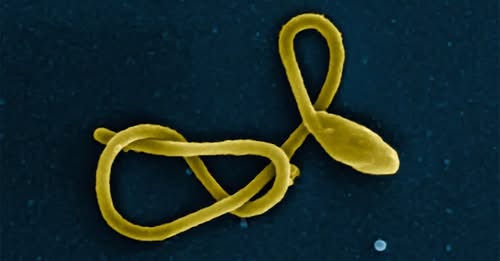
The World Health Organization (WHO) has recommended the addition of two experimental vaccines specifically designed to protect against the Bundibugyo strain of Ebola to an ongoing clinical trial in the Democratic Republic of Congo (DRC), expanding efforts to develop protection against the virus driving the current outbreak. The Tumaini trial, led by the DRC’s Institut National de Recherche Biomédicale (INRB), uses a ring-vaccination approach that targets contacts of people confirmed to have Bundibugyo virus disease.
NAIROBI,Kenya, Nov 5- The World Health Organization (WHO) has recommended the addition of two experimental vaccines specifically designed to protect against the Bundibugyo strain of Ebola to an ongoing clinical trial in the Democratic Republic of Congo (DRC), expanding efforts to develop protection against the virus driving the current outbreak.
The vaccines, ChAdOx1, developed by the University of Oxford in partnership with the Serum Institute of India, and Moderna’s mRNA-1469, are set to join the Tumaini clinical trial following national regulatory approvals.
The recommendation, made this week by WHO’s independent Technical Advisory Group on Candidate Vaccines Prioritization, marks the first time vaccines specifically developed against the Bundibugyo virus will be evaluated during an outbreak of the disease.
The move comes as researchers intensify efforts to establish the safety and effectiveness of vaccines against a strain for which existing Ebola vaccines have not been established to provide protection.
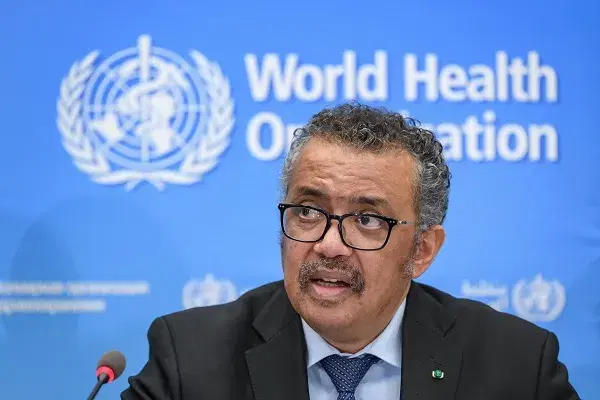
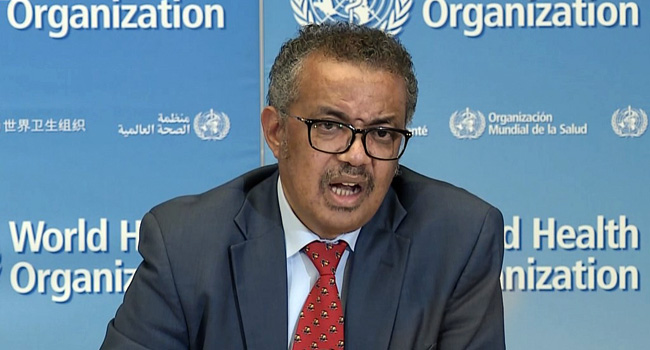
WHO Director-General Dr Tedros Adhanom Ghebreyesus said the progress demonstrated the importance of scientific collaboration and investments in vaccine development.
“The fact that these vaccines are ready to enter clinical trials is a testament to the power of science and partnership,” Tedros said.
He, however, cautioned that vaccination alone would not be sufficient to end the outbreak, describing vaccines as a potential additional tool in controlling the disease.
The Tumaini trial, led by the DRC’s Institut National de Recherche Biomédicale (INRB), uses a ring-vaccination approach that targets contacts of people confirmed to have Bundibugyo virus disease.
The approach builds on lessons from the 2014–2016 West Africa Ebola outbreak, when a landmark clinical trial in Guinea established the efficacy of Ervebo against the Zaire ebolavirus strain.
Ervebo is already being evaluated in the Tumaini trial to establish its effectiveness against Bundibugyo virus, with four vaccination rings established and several others being prepared.
The rings include contacts of people who have fallen ill or died from the infection.
Beyond vaccine development, WHO is also supporting trials investigating potential treatments for patients infected with the virus.
The PARTNERS trial, launched in July, is assessing whether the monoclonal antibody MBP134, the antiviral drug remdesivir or a combination of both can improve survival among patients with confirmed Bundibugyo virus disease.
Researchers also plan to introduce maftivimab into the trial, while a separate post-exposure prophylaxis study is evaluating obeldevisir as a potential intervention for people exposed to the virus.
WHO said initial findings from the treatment studies are expected in the coming months, while results from the vaccine trial are anticipated in early 2027.
The research is being supported through WHO’s Research and Development Blueprint and Health Emergencies Programme, which are coordinating scientific partnerships, technical guidance and operational support to ensure studies are conducted alongside the outbreak response.
The vaccine development programme has received investments from the Coalition for Epidemic Preparedness Innovations (CEPI), with the trial bringing together research institutions and health partners from the DRC, Belgium and other countries.
The expansion of the trials is expected to generate evidence on potential vaccines and treatments against Bundibugyo virus, an Ebola strain that requires targeted research to establish effective medical countermeasures.
Bruhan Makong is a Senior News Reporter for Capital FM in Nairobi, covering diplomacy, foreign policy, national security, climate, and human rights across East Africa and the wider region.
- trial
- bundibugyo
- vaccine
- ebola
- strain
- virus
- outbreak
- disease