Malaria, TB Diagnosis: Global Fund Trains 464 Lab personnel in 9 States
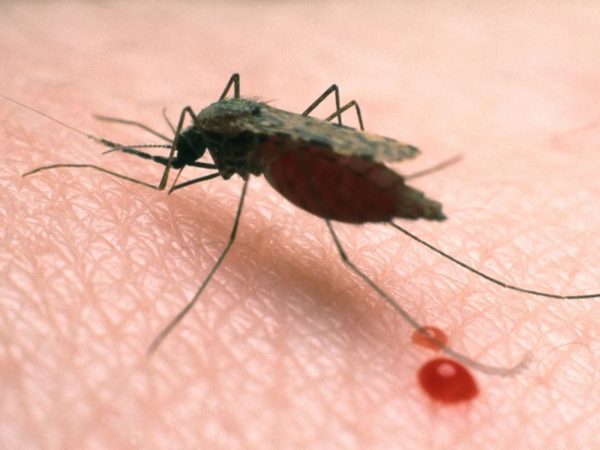
The integrated capacity-building programme, implemented through the National Malaria Elimination Programme (NMEP) and the Federal Ministry of Health and Social Welfare, was inaugurated at Mokland Hotel, Ibara, GRA, Abeokuta, Ogun State. In a troubling revelation, Ogun State Malaria Elimination Programme Manager, Mrs Olamide Adeyinka, said patients’ insistence on having malaria despite negative test results was contributing to inappropriate treatment and unreliable malaria statistics.
… Experts say poor tests fuel malaria misdiagnosis By Chioma Obinna Poor laboratory testing, inaccurate malaria diagnosis and unnecessary prescription of antimalarial drugs remain major challenges undermining Nigeria’s fight against malaria, health experts have warned. The experts spoke as the Global Fund supported the training of 464 laboratory personnel across nine states to strengthen malaria and tuberculosis (TB) diagnosis, improve disease surveillance and ensure reliable laboratory results.
The integrated capacity-building programme, implemented through the National Malaria Elimination Programme (NMEP) and the Federal Ministry of Health and Social Welfare, was inaugurated at Mokland Hotel, Ibara, GRA, Abeokuta, Ogun State. Speaking at the event, Consultant Medical Parasitologist, College of Medicine, University of Lagos, Professor Wellington Oyibo, said accurate diagnosis was critical to effective treatment, warning that laboratory personnel must be equipped to identify different malaria parasite species and distinguish infections from other illnesses.
He said microscopy remained essential despite the availability of rapid diagnostic tests and molecular technologies, stressing the need for quality assurance, proper documentation and timely reporting. Oyibo said participants would be trained in slide preparation, microscopy, parasite identification, quality management and diagnostic best practices, including standards under ISO 15189.
He said the programme was designed to produce a critical mass of competent laboratory professionals who would also mentor colleagues in their respective facilities. In a troubling revelation, Ogun State Malaria Elimination Programme Manager, Mrs Olamide Adeyinka, said patients’ insistence on having malaria despite negative test results was contributing to inappropriate treatment and unreliable malaria statistics.
She explained that some patients pressured health workers into prescribing antimalarial drugs even when laboratory investigations showed otherwise. She said, “We have always recorded a high malaria test positivity rate, but many of these cases are linked to the failure to conduct proper tests or patients refusing to accept test results.” Adeyinka disclosed that participants were drawn from all 20 local government areas of Ogun State, covering primary, secondary and tertiary health facilities, as well as private and faith-based institutions.
Also, Assistant Director, Medical Laboratory Services, Ogun State, Dr Simon Ijiezie, warned that inaccurate diagnosis was exposing people without malaria to unnecessary medication and financial losses. He appealed to the state government to provide quality laboratory equipment, particularly microscopes, to ensure that the training translates into improved services.
“Without a good microscope, accurate diagnosis becomes difficult,” he said. The Assistant Director, Medical Laboratory Services, Ogun State Primary Health Care Board, Mr Atinsola Ayodeji Olalekan, said strengthening primary healthcare laboratories would reduce pressure on secondary and tertiary hospitals. “We believe that when primary healthcare facilities get things right, there will be less pressure on higher levels of healthcare institutions,” he said.
On tuberculosis diagnosis, the State TB Quality Assurance Officer, Mr Ogundimu Olusola, representing the state TB Programme Manager, Dr Jimoh Babatunde, warned that the growing use of molecular diagnostic technologies had reduced interest in microscopy among some laboratory workers. “With the introduction of molecular diagnostic methods, some people have gradually lost interest in microscopy,” he said.
He expressed confidence that the training would produce 44 re-energised and better-equipped personnel in Ogun State. Meanwhile, Assistant Director, Medical Laboratory Services, Hospital Management Board, Ogun State, Mrs Adebola Oke, urged participants to transfer their knowledge to colleagues after the programme. “When you light a candle, you do not put it under a basket.
You place it where it can illuminate the entire room,” she said. The training, which also features intensive practical sessions, has already improved participants’ confidence in identifying malaria parasites, including Plasmodium malariae.
- malaria
- diagnosis
- state
- laboratory
- personnel
- ogun
- test
- health