Jospong calls for increased private investment in climate-resilient waste infrastructure

The Jospong Group of Companies has called for increased private sector investment in waste management infrastructure, innovative financing arrangements and technology transfer to help African countries build economies that are resilient to the effects of climate change. He added that the Group had expanded its operations into 23 other African countries, with active operations in countries including Nigeria, The Gambia and Liberia.
The Jospong Group of Companies has called for increased private sector investment in waste management infrastructure, innovative financing arrangements and technology transfer to help African countries build economies that are resilient to the effects of climate change.
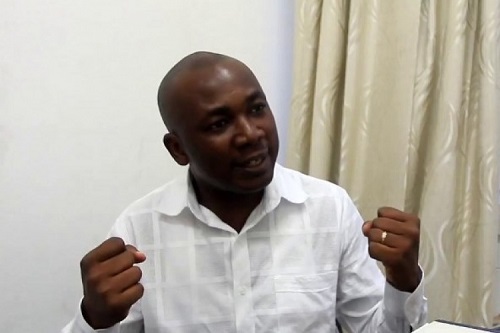
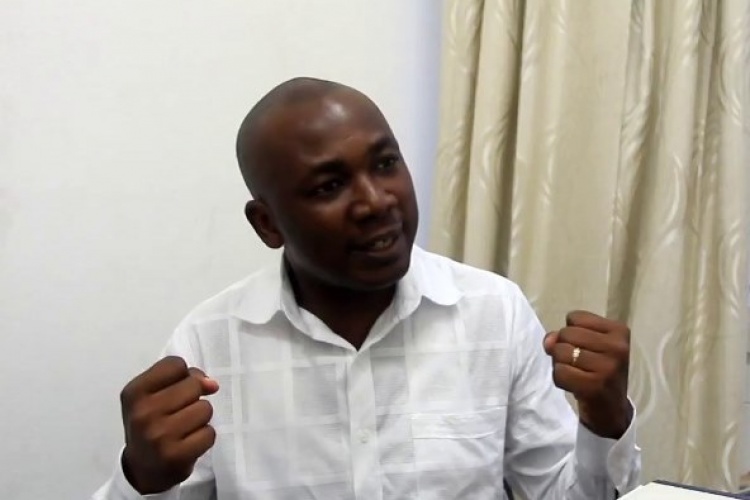
The Group’s Chief Investment and Innovation Officer, Dr Noah Gyimah, said inadequate investment in waste management was worsening environmental and public health risks, particularly in African cities where large volumes of municipal waste were disposed of in landfills without prior separation.
Speaking as a panellist at a discussion on How the Private Sector Can Help Build Climate-Resilient Economies at the Nepal Pavilion during COP31 in Antalya, Türkiye, he said more than 60 per cent of municipal waste generated in many African countries was organic, yet the infrastructure required to separate and process it remained inadequate.
He said disposing of mixed waste in landfills contributed to environmental degradation and increased communities' vulnerability to flooding and disease outbreaks.
"Some of the landfills have outlived the population, and then you have all this mix of waste going to the landfills. You can think of flooding,” he said, citing Ghana’s severe flooding in June as an example of the consequences of inadequate investment in the sector.
Dr Gyimah said private capital could help bridge the funding gap if investments were structured to generate returns while easing the financial burden on governments.
He explained that Jospong mobilised investment through a combination of its own equity, commercial bank financing and support from development finance institutions, backed by public-private partnership arrangements and long-term concession agreements.
“Most of these African countries don't have enough capital to be able to invest in waste management, which has very serious implications for climate change,” he stressed.
He said concession agreements spanning 15 to 20 years could provide private investors with the certainty needed to recoup their investments while enabling governments to undertake critical infrastructure projects without bearing the entire financial cost.Making green projects bankable
Dr Gyimah identified project development, investment in human capital and research as essential to attracting private capital into climate-related infrastructure.
He said investors needed to undertake technical, commercial and financial feasibility studies before presenting projects to banks and other financing institutions.
“You need to have the engineers, you need to invest in that, and then when you invest in human capital, you have to invest in research and development,” he said.
He cited Jospong’s investment in 38 waste treatment plants across Ghana, with recycling facilities in every region, as an example of the infrastructure development needed to make waste management projects viable.
He added that the Group had expanded its operations into 23 other African countries, with active operations in countries including Nigeria, The Gambia and Liberia.
According to him, private sector participation should extend beyond immediate financial returns to encompass technology transfer, local skills development, women's participation and opportunities for young people across the waste management value chain.
“Of course, I have a responsibility as a chief investment officer to bring returns to my investor, but I also want to make sure that if I look at that only, then it's going to be very difficult to build up synergies,” he said.
Dr Gyimah also advocated innovative financing mechanisms that draw on pension funds, insurance companies, commercial banks and other sources of long-term capital to support green infrastructure.
He noted that many African economies relied heavily on commercial banks for financing, despite the need to broaden capital markets and attract institutional investors into climate-related projects.
He said Ghana's approach to securing sustainable funding for waste management offered useful lessons for other countries.
Under the arrangement he described, a portion of waste-related charges is ring-fenced and placed in an escrow account to support project financing, providing investors with a more predictable revenue stream.
He said such mechanisms could improve the bankability and sustainability of projects while reducing dependence on annual government budget allocations.
Dr Gyimah further emphasised the importance of adapting technology to local conditions rather than simply transferring systems developed elsewhere.
Using Nepal as an example, he said investors would first need to understand the country's waste composition through proper feasibility studies before determining the most appropriate technology.
He also advocated horizontal collaboration with local businesses and industries rather than relying exclusively on vertically integrated investment models.
On carbon finance, he disclosed that Jospong had signed an offtake agreement facilitated by the United Nations Development Programme (UNDP), covering four of its plants in Ghana, with a contract value of approximately US$20 million over four to five years.
He said the Group had completed the validation process and was willing to share its technical expertise with Nepal and other countries seeking to develop projects capable of attracting green financing.
He urged investors to recognise climate risks and prioritise preparedness rather than wait for disasters to occur.
“Don't wait until the emergency happens; invest to prepare,” he urged.
The session also featured Salome Zurabishvili, Executive Director of the UN Global Compact Network Georgia, who highlighted the importance of predictable government policies and incentives in encouraging businesses to invest in climate adaptation.
She said effective regulation and government support were essential to strengthening the business case for sustainability, particularly in markets where private sector participation in climate adaptation remained limited.
- investment
- waste
- infrastructure
- jospong
- financing
- capital
- climate
- management