BoG to scrutinise 2027 budget financing, spending for inflation and exchange rate risks
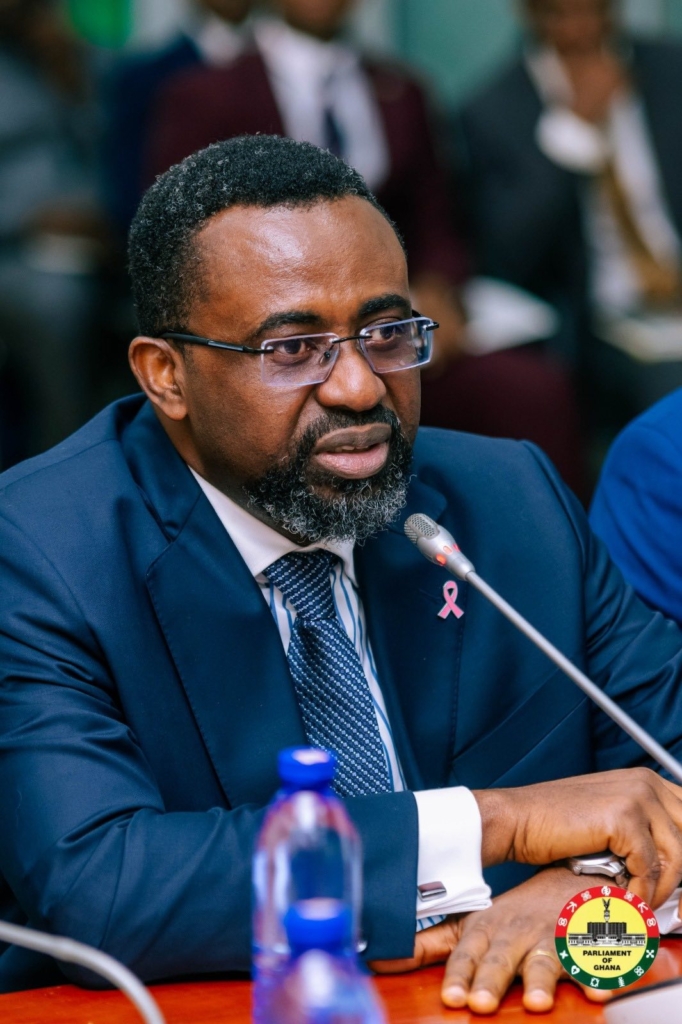
The Bank of Ghana (BoG) says it will closely examine the financing arrangements and expenditure plans under the government’s 2027 Budget to assess their potential implications for inflation, liquidity and exchange rate stability. Governor of the Bank of Ghana, Dr Johnson Asiama, says the Monetary Policy Committee will pay particular attention to how government spending and domestic financing requirements interact with monetary policy.
The Bank of Ghana (BoG) says it will closely examine the financing arrangements and expenditure plans under the government's 2027 Budget to assess their potential implications for inflation, liquidity and exchange rate stability.
Governor of the Bank of Ghana, Dr Johnson Asiama, says the Monetary Policy Committee will pay particular attention to how government spending and domestic financing requirements interact with monetary policy.
Speaking at the opening of the 133rd Monetary Policy Committee (MPC) meeting, he noted that the 2027 Budget comes at an important point in the country's economic recovery, as government places greater emphasis on productive investment and economic growth.
He said the committee would assess the size and composition of the fiscal surplus, its financing arrangements and the potential impact on aggregate demand.
"The committee will need to carefully assess the size and composition of the fiscal surplus, its financing arrangements, and the likely implications for aggregate demand, for liquidity, for inflation, and for the exchange rate," Dr Asiama said.
According to the Governor, the timing and distribution of government spending will also be important in determining liquidity conditions within the financial system.
He said the MPC would examine domestic financing requirements and their possible effects on monetary conditions to ensure that fiscal operations do not undermine the gains achieved in stabilising the economy.
Dr Asiama stressed that coordination between fiscal and monetary authorities would remain critical in sustaining macroeconomic stability.
"The objective is to ensure that the fiscal and monetary policy frameworks remain coherent and mutually reinforcing in preserving macroeconomic stability," he added.
The assessment forms part of the Bank's broader review of economic developments in 2026 and the risks that could shape the country's monetary policy direction in 2027.
- financing
- budget
- inflation
- exchange
- rate
- policy
- bog
- government