Methane cuts offer cheap, fast route to tackling global warming – UN climate chief

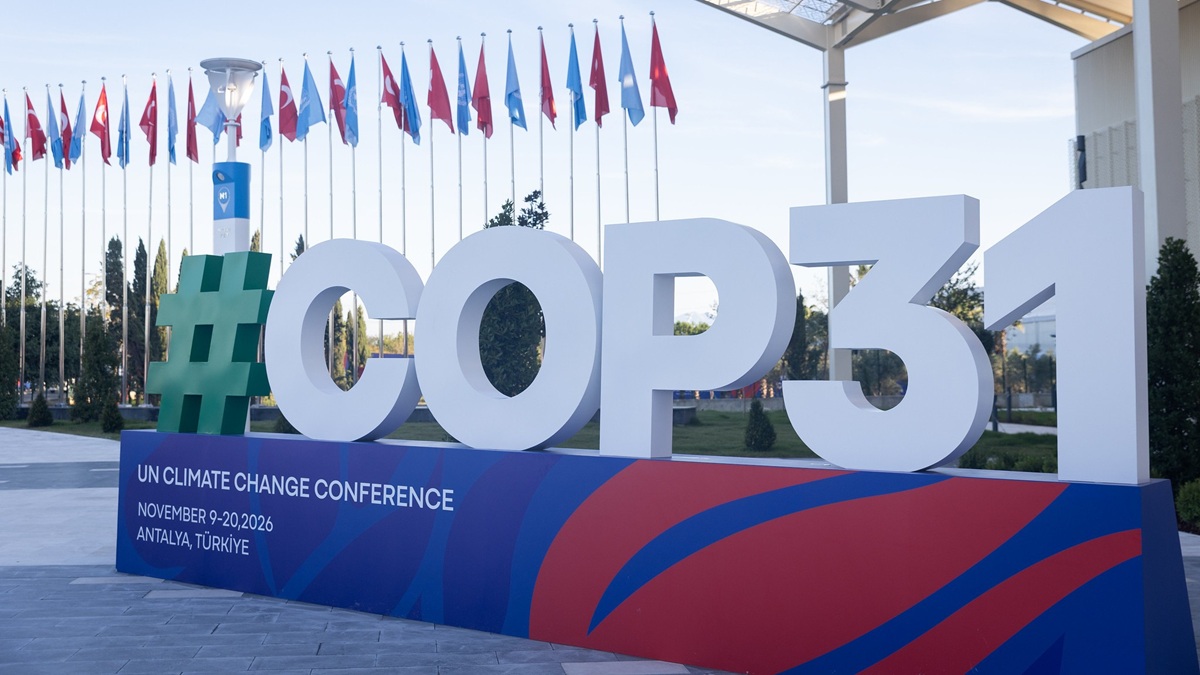
UN Climate Change Executive Secretary Simon Stiell has urged governments to accelerate efforts to cut methane and other super-polluting greenhouse gases, describing the measures as among the fastest, cheapest and most effective ways to slow global warming in the near term. Addressing the Leaders-Level Non-CO₂ Greenhouse Gases Summit at COP31 in Antalya, Türkiye, on November 12, 2026, Mr Stiell said reducing methane emissions could deliver immediate climate benefits while improving public health, boosting agricultural production and generating significant economic returns.
UN Climate Change Executive Secretary Simon Stiell has urged governments to accelerate efforts to cut methane and other super-polluting greenhouse gases, describing the measures as among the fastest, cheapest and most effective ways to slow global warming in the near term.
Addressing the Leaders-Level Non-CO₂ Greenhouse Gases Summit at COP31 in Antalya, Türkiye, on November 12, 2026, Mr Stiell said reducing methane emissions could deliver immediate climate benefits while improving public health, boosting agricultural production and generating significant economic returns.
He said climate-related disasters were already destroying lives, disrupting livelihoods and contributing to inflation, warning that the consequences would worsen as global temperatures continue to rise.
“In a world of suffocating disasters, action on methane offers breathing space,” he said.
Mr Stiell said reducing methane and other super pollutants was essential to limiting near-term temperature increases and ensuring that any overshoot of the 1.5°C global warming threshold remained as short and limited as possible.
He, however, stressed that methane reductions must be accompanied by rapid cuts in carbon dioxide emissions to prevent further increases in global temperatures.Existing technologies can deliver significant methane cutsMr Stiell identified the oil and gas, solid waste and agricultural sectors as major sources of methane emissions, noting that existing technologies could significantly reduce their contribution to global warming.
He said approximately 70 per cent of methane emissions from the oil and gas sector could be eliminated using existing technologies, with much of the reduction achievable at low or no net cost.
In the solid waste sector, he said, 75 per cent of methane reduction measures could generate financial savings, with the economic value of captured methane potentially exceeding the investment required to implement the solutions.
He argued that accelerating the deployment of these technologies would deliver benefits beyond climate mitigation, including improved energy efficiency, cleaner air, better agricultural yields, lower costs and fewer deaths.
Citing findings by the United Nations Environment Programme (UNEP) and the Climate and Clean Air Coalition, Mr Stiell said every dollar invested in key super-pollutant solutions could generate $15 in economic gains alone.
“The business case is absolutely clear,” he said.
He also highlighted the economic losses associated with gas flaring, revealing that approximately 167 billion cubic metres of gas were flared annually during oil and gas production, representing an estimated $54 billion in lost energy value.
“And that’s money going up in smoke,” he said.Countries urged to translate climate commitments into actionMr Stiell said international recognition of the importance of methane reduction was growing, with more than 90 per cent of parties, representing approximately three-quarters of global methane emissions, having included measures to cut methane in their new Nationally Determined Contributions (NDCs).
He said the priority must now shift from making commitments to implementing them.
“The task now is to turn those plans into action,” he said.
He identified COP31 as an opportunity to advance practical solutions and strengthen international momentum, including through methane and waste targets being pursued by the COP31 Presidency.
He also highlighted the Super Pollutant Country Action Accelerator as an initiative designed to provide countries with the support needed to advance their emissions-reduction efforts.Stiell outlines four priorities for governmentsThe UN Climate Change Executive Secretary called on governments and other stakeholders to take four key steps to accelerate reductions in methane and other super pollutants.
First, he urged countries to prioritise methane and other super pollutants in their national climate plans by establishing clear targets, introducing supportive policies for key sectors and encouraging industries to invest in available technologies and solutions.
Second, he called for increased public and private financing, particularly through development banks and climate funds.
He expressed concern about the limited financing currently directed towards super-pollutant reductions, revealing that only 0.5 per cent of climate finance earmarked for emissions reductions went to super pollutants in 2023.
Third, he urged governments to invest in institutions, technical expertise and project pipelines to strengthen their capacity to develop and implement emissions-reduction projects.
Fourth, he encouraged countries to take advantage of the new UN carbon market mechanism established under Article 6.4 of the Paris Agreement, known as the Paris Agreement Crediting Mechanism.
He said the mechanism was already operational and had identified landfill methane as one of its initial areas of focus, rewarding projects that capture methane from landfills and put it to productive use.Methane cuts could buy vulnerable countries more timeHighlighting the particular importance of methane reduction for vulnerable nations, Mr Stiell said such interventions could provide additional time to address the escalating impacts of climate change.
“For small island states like mine, methane reduction buys us time,” he said.
He nevertheless reiterated that methane reductions must be accompanied by rapid action on carbon dioxide emissions to limit further temperature increases.
Mr Stiell described tackling super pollutants as a major opportunity for governments to advance climate protection, economic development and public health simultaneously.
“Super pollutants are a supersize opportunity. And it’s low-hanging. For the climate, for economies, and for human health,” he said.
- methane
- climate
- warming
- stiell
- gas
- emission
- reduction
- action