Why Bitcoin Price USD Now Shares Africa’s Crypto Stage

Bitcoin still supplies the number that many African crypto users check first. An African holder can therefore experience two price movements at once: Bitcoin changes against the dollar while the naira changes against that same currency.
Bitcoin still supplies the number that many African crypto users check first. Yet the market around that number has changed. Chainalysis ranked African countries among the highest worldwide for grassroots adoption in September 2026.
The country placed first for domestic peer-to-peer activity and first for cross-border flows. Those rankings point toward a crypto culture doing much more than waiting for Bitcoin to rise. Payments have grown in importance. Dollar-linked assets now handle a large share of transfers.
For someone in Lagos receiving money from abroad, the immediate concern may be conversion rather than investment performance. Bitcoin remains a major reference point, but it now shares attention with assets designed to hold a steadier dollar value.
Global trading still gives Bitcoin much of its price in dollars. That affects Africans even when the money they spend starts as a different currency. Crypto exchanges provide spot markets and peer-to-peer routes where available, while users can also purchase through supported payment methods.
A Bitcoin USD price therefore offers a common reference before somebody works out the local cost and conversion route. The exchange figure isn’t the final amount leaving your account. Payment method and fees can alter that. So can the price available when the order reaches the market.
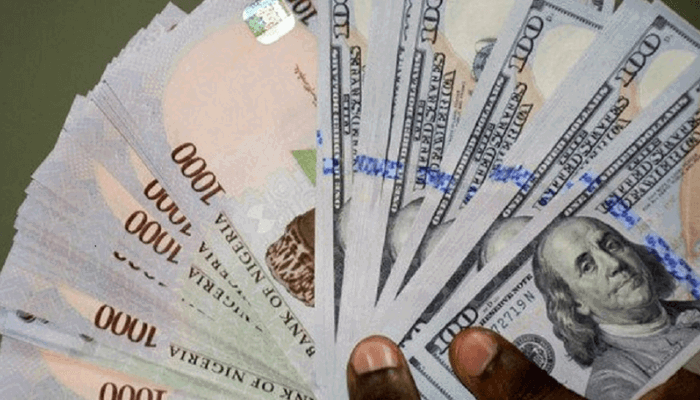
That distinction has become easier to understand as the naira has moved against the dollar. Reuters reported on October 8 that the currency was trading near 1,331 per dollar on the official market.
An African holder can therefore experience two price movements at once: Bitcoin changes against the dollar while the naira changes against that same currency. If you are keeping records, the local amount paid still deserves its own line rather than being reconstructed months later from a dollar chart.
Stablecoins now account for a substantial part of crypto activity across sub-Saharan Africa. Chainalysis estimated that they represented about 43% of the region’s total transaction volume in its 2024 geography report. The following year, sub-Saharan Africa received more than $205 billion in on-chain value between July 2024 and June 2025. That was an increase of about 52% from the previous 12 months.
The reason is broader than investment. Chainalysis found stablecoins being used in high-value transfers linked to trade between Africa and overseas markets. Merchant settlement also featured in its analysis.
A dollar-linked token offers a different proposition from Bitcoin because the user may care more about keeping a predictable dollar reference than gaining exposure to a changing market price. That can appeal to a business paying an overseas supplier or a household receiving money from abroad.
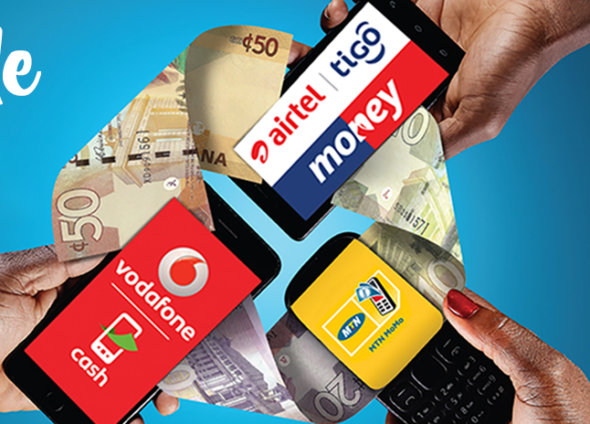
Digital assets are becoming part of a much wider change in how money moves across the continent. The IMF reported that mobile money accounts have grown faster than traditional deposit accounts across sub-Saharan Africa.
In several economies, they now outnumber conventional bank accounts. The share of remittances sent through digital channels also rose from 13% in 2019 to 46% in 2024.
Africa doesn’t have one regulatory model for digital assets. Ghana passed legislation covering virtual-asset services in 2025 and began a regulatory sandbox in March 2026. The Securities and Exchange Commission admitted businesses testing services that included virtual-asset exchanges and brokerage. Asset tokenisation also formed part of the programme.
Ghana’s authorities have also stressed that participation in supervised testing does not amount to unrestricted approval. The country’s framework requires licensing or registration for activities such as wallet provision and stablecoin issuance.
An IMF technical-assistance review published in September said Ghana had made progress toward global standards, while further rules were still needed in areas such as stablecoin arrangements and trading activity.
Start with the job you want the asset to perform. Someone seeking long-term Bitcoin exposure faces a different decision from a freelancer who wants to receive a dollar-linked payment. Check the spread between buying and selling prices. Find the withdrawal cost before moving funds. If another wallet will hold the asset, establish who controls the private keys.
Currency conversion deserves the same attention. A dollar quotation can help you follow the global market, but it does not tell you what will reach a bank account or mobile-money wallet after conversion into local currency. Exchange rates vary across African economies. Access to dollars can vary as well.
Stablecoins reduce one form of price movement by targeting a reference such as the U.S. dollar, but they introduce issuer and redemption considerations. Bitcoin brings a different risk because its value can move much further. The IMF also warns that stablecoins remain unevenly regulated and can raise concerns about currency substitution in emerging markets.
For African users, the final comparison therefore needs a local layer. Check the rules in your country and the available cash-out routes. Then look at fees and custody. A service that works well for a user in Johannesburg may offer a different experience in Accra or Nairobi because the surrounding financial systems and regulations are different.
- africa
- bitcoin
- price
- dollar
- crypto
- asset
- market
- money