‘This is a symbol for Europe’: streets of Belgrade resound with joy after Vučić defeat
Hundreds of thousands mark student-led victory on the same streets that were once the scene of police beatings Serbian leader Aleksandar Vučić ousted by student movement in seismic election Standing on the streets of Belgrade, as passing cars honked excitedly and revellers high-fived police officers, Sara, 24, gestures to the streets around her to explain just how much things had changed for Serbia’s student-led movement. Moments earlier, the country’s longstanding leader, Aleksandar Vučić, had conceded defeat to the student movement, ushering in a seismic political shift in the Balkan country
Hundreds of thousands mark student-led victory on the same streets that were once the scene of police beatings
Serbian leader Aleksandar Vučić ousted by student movement in seismic election
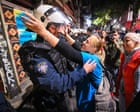
Standing on the streets of Belgrade, as passing cars honked excitedly and revellers high-fived police officers, Sara, 24, gestures to the streets around her to explain just how much things had changed for Serbia’s student-led movement.
Moments earlier, the country’s longstanding leader, Aleksandar Vučić, had conceded defeat to the student movement, ushering in a seismic political shift in the Balkan country.
It was a surreal reversal of fortunes for the hundreds of thousands of people who had spent nearly two years peacefully protesting against a ruling power that had become increasingly authoritarian. “It’s very strange that on the very streets where the police beat us, on the streets where we retreated countless times in the face of the gendarmerie, we are now standing here as the victors,” says Sara.
The realisation saw people pour into streets across Serbia to mark the incredible trajectory. In Novi Sad – where the protests had begun in November 2024 following the deadly collapse of a train station roof – thousands gathered in celebration after Vučić conceded that the Students’ List movement had likely won between 135 and 140 seats in the 250-seat parliament, while his rightwing SNS party had 105, citing preliminary results.
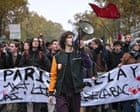
In Belgrade, tens of thousands of people flooded the city’s main boulevards, chanting euphorically, waving flags and setting off flares against an unrelenting backdrop of honking car horns. “Oh my gosh, I don’t know how to explain it,” says Tamara, 35. “I’m so happy and excited.”
Sunday’s results would ultimately set Serbia on a path towards “freedom and hope for a better tomorrow,” she says. But she was under no illusions that it would come easily.
“I know we have a tough period ahead of us, I do,” she says. “But even so, it’s a huge relief and gives us energy to keep going.”
The tremendous task of reversing the country’s drift towards authoritarianism and deeply entrenched corruption now falls to the list of 250 candidates, which includes more than 160 doctorates as well as a sprinkling of farmers, athletes and others.
Adding to the challenge is the fact that the students’ policy platform downplayed some of the country’s more divisive issues: the question of future EU membership has been left to a referendum, and Kosovo is claimed as an integral part of Serbia.
On Sunday, however, many were simply thrilled to celebrate the end of a government that had become known for routinely threatening its critics and chipping away at press freedoms.
“The people have won! The people defeated a dictator! The people will lead Serbia!” Nebojsa Cosic told Reuters as people in the street linked arms to dance the traditional Serbian folk dance, Kolo.
The crowds were also swift to descend on the central park in Belgrade where Vučić’s loyalists had camped out for more than a year, joyfully tearing down the fences and tents that had blocked off access to the park.
Duško Suvajac, 52, points to the broader implications as the elections kicked off 10 pivotal days of ballots across the globe in which the authoritarian right is facing off against pro-democracy forces. “This is a symbol for Europe and the world,” he says. “It’s a demonstration of how freedom can defeat evil.”
As he spoke, those around him hugged, kissed, cried and screamed with joy. For many, it was a singular moment to reclaim the same streets where the student-led call for change had been met by police wielding batons and teargas and even a suspected sound cannon.
“It’s simply the realisation of our dream,” says Sara. “We will remember this moment for the rest of our lives.”
- street
- belgrade
- defeat
- student
- vučić
- movement
- symbol
- europe