World Toilet Day: Sanitation must become an affordable investment for every household
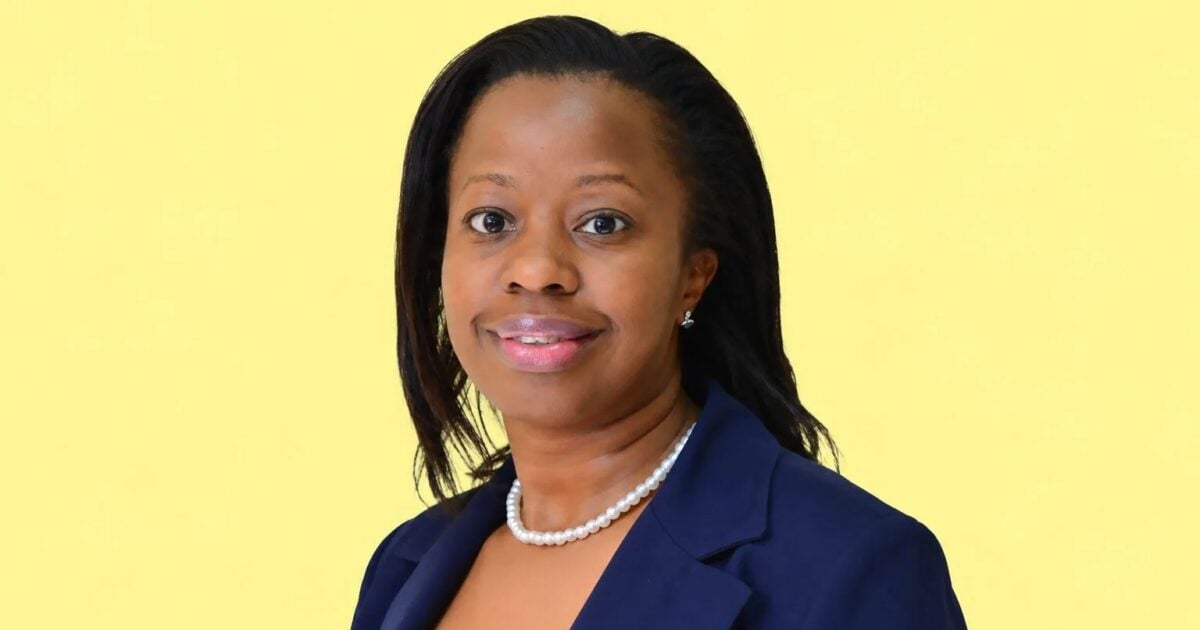
By Rose Muyanga, Access to a safe toilet is fundamental to public health, dignity and well-being. The 2025–2026 Kenya Mini Demographic and Health Survey shows that 76 per cent of households have access to improved sanitation facilities.
By Rose Muyanga, Access to a safe toilet is fundamental to public health, dignity and well-being. While Kenya has made progress in expanding access to improved sanitation, disparities in household circumstances, infrastructure and affordability mean that more needs to be done to extend these gains to every community. The 2025–2026 Kenya Mini Demographic and Health Survey shows that 76 per cent of households have access to improved sanitation facilities.
However, the proportion stands at 63 per cent in rural areas, compared with 93 per cent in urban areas. The survey also indicates that 45 per cent of the population has access to at least basic sanitation services, while 7.4 per cent still practise open defecation. These findings underscore the importance of sustaining investments in sanitation while addressing the different needs of households.
Access to an improved toilet is an important step, but safely managed sanitation also requires hygienic and durable facilities supported by appropriate waste containment and management systems. The Ministry of Health’s Costed National Sanitation and Hygiene Roadmap 2023–2030 provides an indication of the investment required. It estimates that a basic G1 sanitation unit, designed to provide a clean and flyproof toilet, costs between KES 10,000 and KES 12,000 in hardware, depending on county conditions.
A more durable individual G2 toilet with safe waste containment costs between KES 25,000 and KES 30,000. The financial commitment also extends to maintaining good hygiene practices. The Roadmap estimates that basic household hand hygiene costs KES 7,048 annually, covering household promotion, handwashing facilities and soap. This highlights the need for sustained investment in sanitation infrastructure, reliable water access and everyday hygiene practices.
For households managing competing priorities such as food, rent and school fees, meeting these costs can require careful financial planning. Flexible financing arrangements can help spread the cost of improvements over time, enabling families to invest in better sanitation facilities while managing their other financial obligations. This presents an opportunity for financial institutions to complement ongoing public efforts by developing accessible financing solutions that respond to household needs.
These may include financing for durable, all-weather toilets, bathroom improvements, handwashing facilities and water connections. For instance, KWFT’s Water, Sanitation and Hygiene (WASH) financing solutions support households to construct toilets, repair existing facilities and improve bathrooms and water connections. Through its Kisima Loan, the institution also finances water tanks for rainwater harvesting and storage, water purifiers, shallow wells, water pans and related equipment.
Such financing can help families make gradual improvements to their living conditions while spreading the associated costs. There is also scope to strengthen the role of women entrepreneurs in delivering essential water-related services. Women operating water-selling businesses, for example, can benefit from working capital to maintain stock and financing for equipment that improves efficiency and expands their services.
Supporting these enterprises contributes to local service delivery while creating income-generating opportunities. The benefits of improved sanitation are particularly significant for women and girls. Access to adequate household facilities can ease the responsibilities associated with water collection and sanitation management, while safe and private toilets in schools support menstrual hygiene, protect girls’ dignity and help reduce absenteeism.
Improving sanitation therefore contributes not only to better health but also to women’s economic participation and girls’ educational opportunities. These outcomes reinforce the connection between sanitation and broader development priorities, including Sustainable Development Goal 6 on clean water and sanitation, SDG 3 on good health and well-being, and SDG 5 on gender equality.
As we mark World Toilet Day, there is an opportunity to strengthen collaboration among government, financial institutions, development partners and the private sector to expand access to safe and affordable sanitation. Continued public investment in infrastructure, policy support and targeted interventions for vulnerable households can be complemented by private-sector financing and the provision of quality sanitation products and services.
Ultimately, improving sanitation requires sustained investment at both household and community levels. Making appropriate financing accessible can help more families take practical steps towards safer facilities, better hygiene and healthier living conditions, contributing to Kenya’s broader sanitation and development ambitions. The author is the Managing Director, Kenya Women Microfinance Bank PLC.
- sanitation
- household
- toilet
- water
- investment
- access
- facility
- hygiene