Germany news: Support for Ukraine military aid waning, survey shows
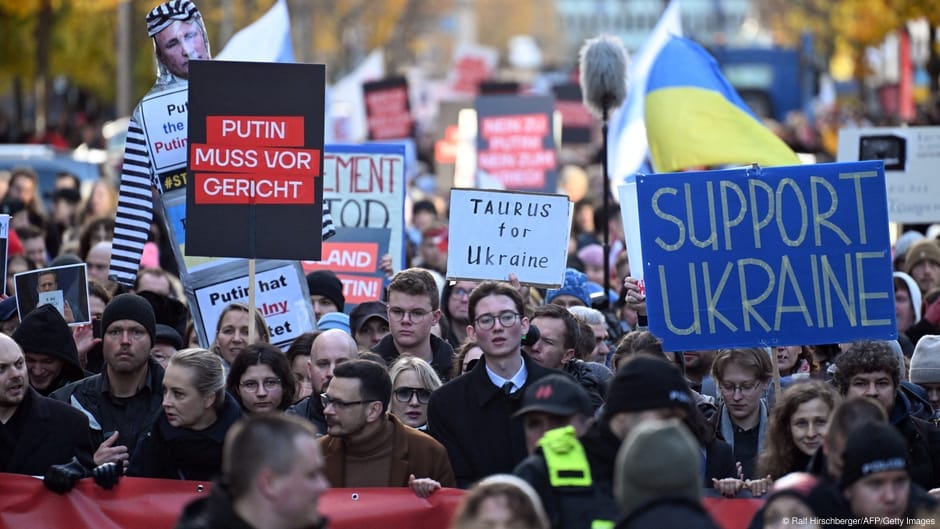
Nearly half of Germany's population wants to reduce military aid to Ukraine, a survey has found. Meanwhile, German consumers are set to pay more in energy bills next year due in part to the Iran war.
This is a roundup of the top stories from and about Germany on the weekend of Saturday, November 21, and Sunday, November 22, 2026:
A judge in the US state of Missouri has approved a settlement under which Germany-based agrochemical company Bayer will pay up to $7.25 billion (€6.6 billion) over the next two decades to resolve lawsuits from cancer sufferers who say they should have been warned that its weed killer Roundup could cause lymphoma.
The settlement, which applies nationwide, means both Roundup users who are already ill with non-Hodgkin lymphoma and those who develop it in future could an average of between $10,000 and $165,000, with factors such as their use of the product, their age at the time of diagnosis and illness severity determining the exact sum.
For more on this story, head over to our report.
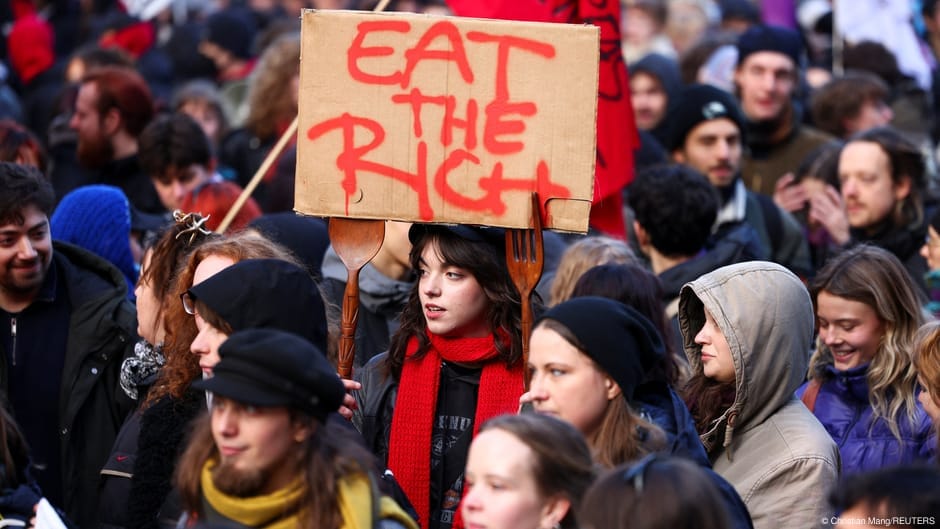
Young people in Germany, as in many other parts of the world, have been taking to the streets to demonstrate for a fairer, safer world and a greater say in what policies are enacted by politicians.
But despite the fact that many of their complaints are fully justified, with jobs difficult to find despite a high level of study or training, housing that is increasingly unaffordable and a lack of government action against climate change to ensure the world remains habitable, the demonstrations have sometimes been criticized or even labeled as criminal.
DW looks at the problems facing Gen Z and its fears about its future in a world where young people have little say.
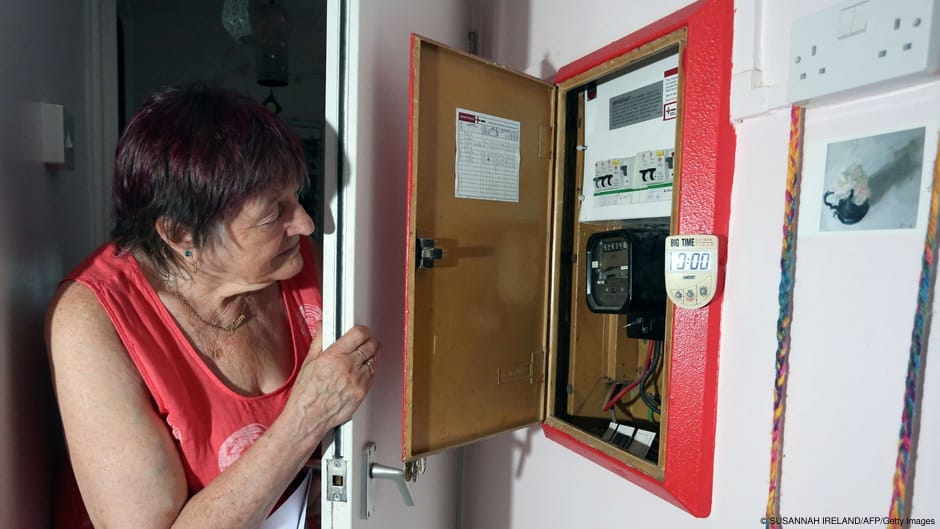
Many consumers who get their gas and electricity under the standard tariff offered by local utility providers will be paying considerably more for electricity and gas next year, according to comparison website Verivox.
Some 3.7 million households are expected to pay more for electricity, with a rise of some 2% expected.
The rise has been cushioned to some extent by coalition's recent agreement to lower the electricity tax rate for 2027 to the European minimum level to protect households and businesses.
Gas will become considerably more expensive for some 1.9 million households, with 361 regional utility providers announcing rises of some 14% for December, January and February.
"The wholesale prices for gas and electricity, which have risen sharply since the Iran war began in March 2026, are only now starting to have an effect on prices for consumers," Verivox energy expert Thorsten Storck said.
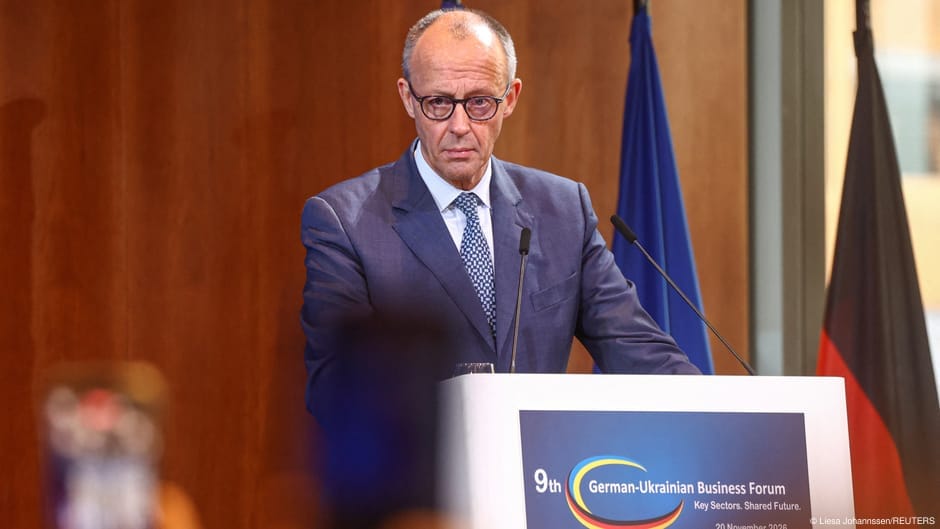
Some 49% of people in Germany would like to see Berlin's financial, military and humanitarian aid to Ukraine amid the Russian invasion either reduced or cut completely, a survey has shown.
In all, 25% of respondents in a YouGov survey wanted aid to Ukraine to be dropped, while 24% were in favor of reducing.
Altogether 30% wanted to retain aid at the current level, and 9% felt it should be raised. Eleven percent were undecided on the issue.
The survey was conducted between November 13 and 16 on behalf of the newspaper Welt am Sonntag.
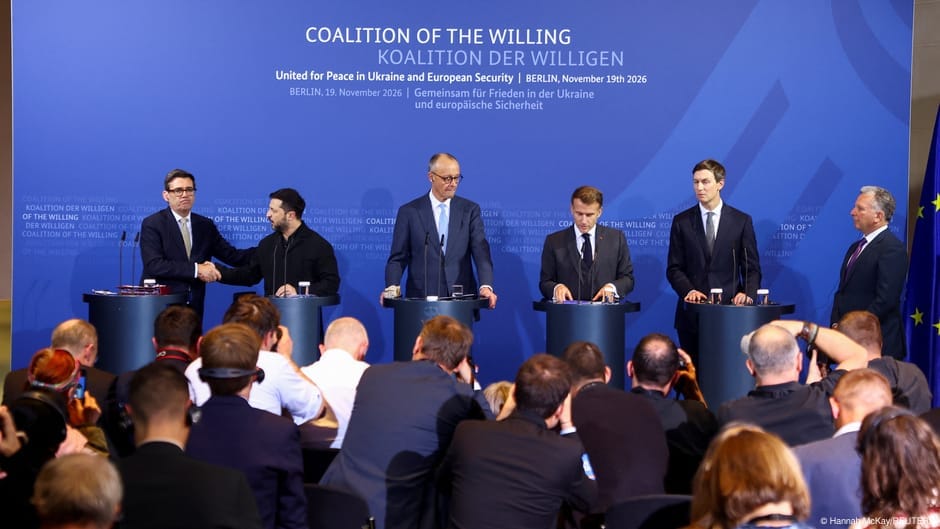
This week, German Chancellor Friedrich Merz hosted a meeting of Ukraine's European allies, known as the "Coalition of the Willing", in a bid to maintain a united front as peace talks in Ukraine continue.
You join us as a survey shows that support for Berlin's help to Kyiv amid the Russian invasion is declinin.
And millions of households will see their electricity and gas bills rise considerably next year amid a number of geopolitical pressures.
Read on for more on these and other stories hitting the headlines in Germany this weekend.
- germany
- ukraine
- aid
- survey
- news
- support
- show
- half