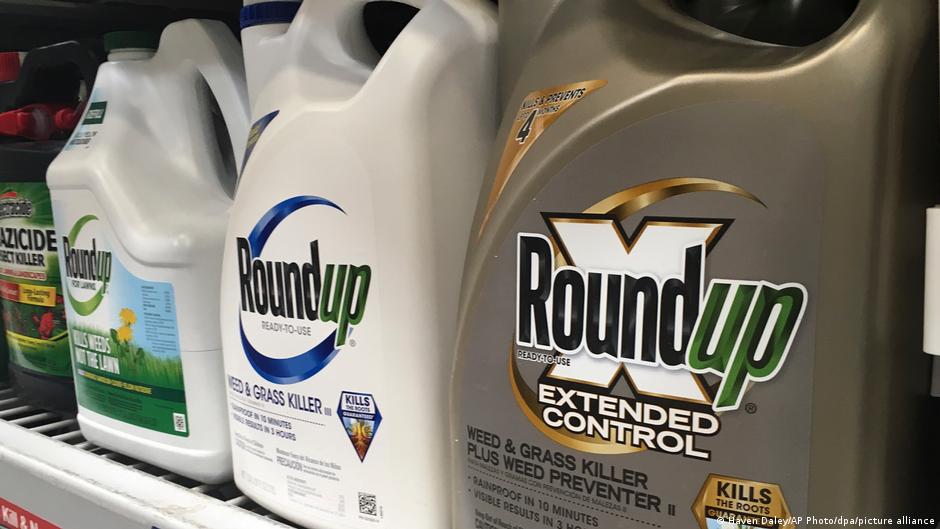
Judge approves $7.25bn settlement for Roundup weedkiller cancer claims

A Missouri judge on Friday approved a $7.25bn (£5.5bn) settlement stemming from lawsuits alleging that Bayer’s weedkiller Roundup causes cancer. The settlement comes after the Supreme Court in June ruled in favour of Bayer, overturning a $1.25m settlement for a Missouri man who said Roundup and its ingredient glyphosate was to blame for his non-Hodgkin lymphoma.
A Missouri judge on Friday approved a $7.25bn (£5.5bn) settlement stemming from lawsuits alleging that Bayer's weedkiller Roundup causes cancer.
Judge Timothy Boyer said the settlement was "fair, reasonable, and adequate".
Bayer, the German biotech giant, had proposed paying the $7.25bn to definitively resolve a legal battle in the US.
The nationwide settlement will be paid to Roundup users who are already sick with non-Hodgkin lymphoma and those who fall ill in the future.
The company has already paid roughly $10bn to resolve Roundup-related litigation.
The settlements to participants range from $10,000 to $165,000, depending on how frequently they used the product, when they were diagnosed with the cancer and how severe their illness was.
"[Friday's] final approval order delivers guaranteed compensation to Roundup cancer victims who have waited more than a decade for justice," said Christopher Seeger, a court-appointed counsel for cancer patients in the case.
Bayer will make annual payments into a fund for up to 21 years, totalling up to $7.25bn.
Some attorneys objected to the settlement funds, arguing they were insufficient, but the judge said he did not want to delay payouts to sick victims.
Bayer denies that its Roundup product causes cancer.
The settlement comes after the Supreme Court in June ruled in favour of Bayer, overturning a $1.25m settlement for a Missouri man who said Roundup and its ingredient glyphosate was to blame for his non-Hodgkin lymphoma.
The court ruled 7-2, saying Bayer cannot be sued in state courts because federal regulations do not mandate a cancer warning label.
The company has faced thousands of claims in US state and federal courts from people alleging they developed cancer after using the product.
Monsanto developed Roundup in the 1970s. Its active ingredient, glyphosate, was identified by the International Agency for Research on Cancer, a unit of the World Health Organisation, in 2015 as a probable human carcinogen.
Bayer and some other regulators, including the US Environmental Protection Agency, have disputed those findings.
But the issue has forced the company through years of costly litigation in the US, as juries in several states have awarded billions of dollars to herbicide users.
- cancer
- settlement
- judge
- roundup
- bayer
- court
- weedkiller
- company