CBN Retains Interest Rate At 23% As Inflation Drops To 14.06%
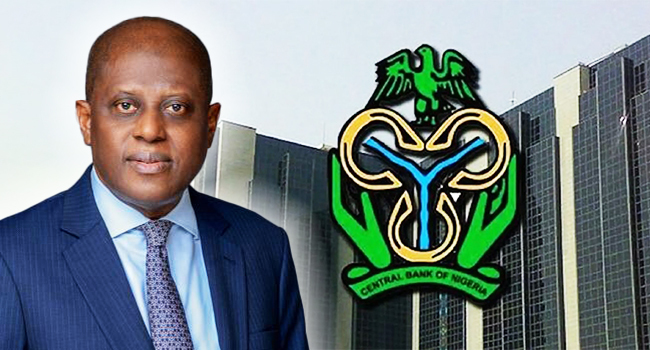
The Central Bank of Nigeria (CBN) has retained its Monetary Policy Rate (MPR) at 23 per cent, despite a further decline in the country’s inflation rate to 14.06 per cent in October 2026. It welcomed a Memorandum of Understanding between the CBN and the Nigerian National Petroleum Company Limited, aimed at boosting foreign exchange inflows, supporting energy project financing and improving macroeconomic stability.
The Central Bank of Nigeria (CBN) has retained its Monetary Policy Rate (MPR) at 23 per cent, despite a further decline in the country’s inflation rate to 14.06 per cent in October 2026.
The decision was taken at the 308th meeting of the Monetary Policy Committee (MPC), held on Monday and Tuesday, November 23 and 24, 2026.
In a communiqué issued on Tuesday and signed by the CBN Governor, Olayemi Cardoso, the committee also retained the Standing Facilities Corridor at +50/-300 basis points around the MPR.
It further maintained the Cash Reserve Requirement (CRR) for Deposit Money Banks at 45 per cent, Merchant Banks at 16 per cent and non-Treasury Single Account (TSA) public sector deposits at 75 per cent.
The committee said the decision was informed by the need to sustain the progress made in reducing inflation and keep inflation expectations under control.
It noted that headline inflation had moderated for five consecutive months, supported by exchange rate stability and improved transmission of monetary policy measures.
However, members expressed concern over prevailing economic headwinds that could slow the pace of the decline in price pressures, maintaining that the current monetary policy stance remained appropriate.
According to the CBN, headline inflation declined to 14.06 per cent in October from 14.63 per cent in September 2026.
Core inflation also dropped to 10.78 per cent from 12.95 per cent, while food inflation eased to 19.13 per cent from 19.59 per cent over the same period.
The committee attributed the moderation in food inflation to lower prices of processed food and farm produce following the commencement of the harvest season.
It also noted that the composite Purchasing Managers’ Index (PMI) rose to 53.2 points in October from 53.0 points in September, indicating sustained expansion in economic activities across the industrial, agricultural and services sectors.
The CBN said Nigeria’s gross external reserves stood at $54.02bn as of November 17, 2026, providing cover for 10.26 months of imports of goods and services.
Despite the improvement in key economic indicators, the MPC identified potential risks that could put renewed pressure on prices.
These include the ongoing conflict in the Middle East, which could sustain elevated global energy prices, as well as increased spending associated with the end-of-year festive season and election-related activities.
The committee also expressed confidence that continued exchange rate stability and improved food supply would support the disinflation process.
It welcomed a Memorandum of Understanding between the CBN and the Nigerian National Petroleum Company Limited, aimed at boosting foreign exchange inflows, supporting energy project financing and improving macroeconomic stability.
According to the committee, effective implementation of the agreement would strengthen foreign exchange market liquidity, boost external reserves and improve investor confidence.
The MPC also noted the resilience of the banking sector, citing adequate capital buffers and improved risk management practices.
Looking ahead, the committee expressed optimism about Nigeria’s economic outlook for the remainder of 2026 and into 2027, citing improved crude oil production and sustained growth in the agricultural, industrial and services sectors.
It, however, warned that disruptions to global energy supplies and adverse weather conditions remained key risks to the inflation outlook.
The CBN said it would continue to monitor domestic and global economic developments to ensure that future monetary policy decisions remain data-driven and focused on maintaining price stability.
The next MPC meeting is scheduled for February 22 and 23, 2027.
- inflation
- cbn
- cent
- rate
- committee
- policy
- price
- mpc