Plan for multibillion-pound Sizewell nuclear plant a ‘terrible deal’ for UK taxpayers, MPs say
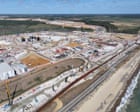
The public accounts committee has said the risk to billpayers is ‘extraordinary’ The government’s plan to fund a multibillion-pound nuclear plant at the Sizewell site in Suffolk represents a “terrible deal” for the UK taxpayer over the rest of the century, according to the government’s spending watchdog. MPs on the public accounts committee (PAC) have warned the government that the cost of the Sizewell C nuclear reactor could spiral to almost £48bn, leaving bill payers on the hook to provide an extra £9.8bn to construct the plant before 2040 and a further £12bn over its 60-year operating life.
The public accounts committee has said the risk to billpayers is ‘extraordinary’
The government’s plan to fund a multibillion-pound nuclear plant at the Sizewell site in Suffolk represents a “terrible deal” for the UK taxpayer over the rest of the century, according to the government’s spending watchdog.
MPs on the public accounts committee (PAC) have warned the government that the cost of the Sizewell C nuclear reactor could spiral to almost £48bn, leaving bill payers on the hook to provide an extra £9.8bn to construct the plant before 2040 and a further £12bn over its 60-year operating life.
Taxpayers and consumers face a “high level of risk”, according to PAC, after the government agreed to take a near-45% stake in the nuclear plant, which is considered a successor project to the heavily delayed Hinkley Point C nuclear plant in Somerset.
Under the terms of the multibillion-pound deal, which will be paid for through taxes and energy bills, the UK government holds a 44.9% stake while French state nuclear developer EDF has a 12.5% stake.
The rest of the funding has come from private investors including the British Gas owner Centrica, which holds a 15% share, alongside the Canadian investment group La Caisse, which holds 20%, and the investment manager Amber Infrastructure, which has a7.6% stake.
The UK government was forced to take a larger than expected share of the project after buying out Chinese state nuclear developer CGN, which had been allowed to hold a 20% stake in Sizewell C before national security concerns emerged.
The watchdog warned that while the British public could be called on to shoulder multibillion-pound cost overruns, the nuclear project’s private investors would only need to put in an extra £30m.
Sir Geoffrey Clifton-Brown, the PAC chair, said: “The high level of risk borne by taxpayers and consumers for the construction of Sizewell C is extraordinary. Private investors look set for significant returns on their investments, while customers are likely to be saddled with higher energy bills.”
He urged the government to “focus on the successful delivery of this project”, and in building confidence in the UK’s nuclear industry more broadly, so that taxpayers will “never be put in this position again”.
A government spokesperson said the report “completely ignores that investors are incentivised to complete construction as cheaply and quickly as possible” through the terms of the deal.
“Once operational, Sizewell C could save £2bn a year across the energy system, cutting costs for families up and down the country, and the project is already making good progress with over 2,000 workers on site,” the spokesperson added.
The government expects Sizewell C to cost between £40.5bn and £47.7bn and to complete construction between 2039 and 2043. The committee has called on the government to provide the scenario analysis it used to underpin its cost estimates for the project within the next three months. It also asked ministers to provide an update on the project’s development every six months to keep track of its progress.
Critics of the project, including Alison Downes of the Stop Sizewell C campaign group and Prof Steve Thomas of Greenwich Business School, who provided joint evidence to the committee, have suggested that the cost of abandoning the project today would be lower than the cost of paying inflated energy bills over 60 years “multiple times over”.
They called on the government to rule out using this funding model for future nuclear projects. “All it offers is a free ride for investors and financial pain for households,” they said in a joint statement.
Tom Greatrex, the chief executive of the Nuclear Industry Association, said Sizewell C would provide “clean, reliable and constantly available power” that could save households billions from paying the cost of balancing the grid or building extra network connections.
“Currently, the consumer is footing a bill of £2.8bn so far this year to manage a dysfunctional grid, paying both for wind to stop generating at some times, and for gas-powered backup at others,” he said.
- sizewell
- plant
- plan
- deal
- mps
- government
- multibillion
- pound