Gombe @30: Yahaya seeks continuity ahead of 2027
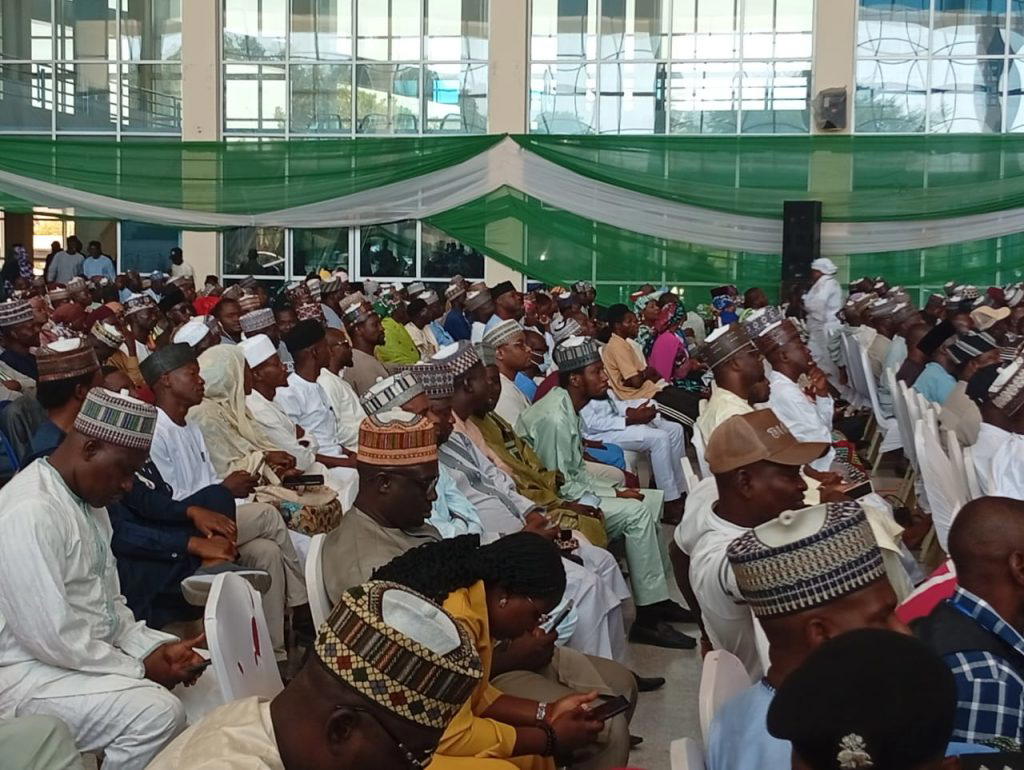
By Ben Ngwakwe, Gombe GOMBE — Governor Muhammadu Inuwa Yahaya of Gombe State has called for continuity in governance, political unity and sustained investment in critical sectors as the state marks 30 years of creation, saying its future must transcend the ambitions of any individual or political party. Gombe State was created on October 1, 1996, by the late General Sani Abacha following years of agitation for greater political representation, accelerated development and governance closer to the people.
By Ben Ngwakwe, Gombe GOMBE — Governor Muhammadu Inuwa Yahaya of Gombe State has called for continuity in governance, political unity and sustained investment in critical sectors as the state marks 30 years of creation, saying its future must transcend the ambitions of any individual or political party. Yahaya, reflecting on the state’s three-decade journey, said the anniversary provided an opportunity to celebrate past achievements and assess how statehood had translated into improved living conditions, expanded opportunities and inclusive development.
The governor, whose second term ends in 2027, urged political leaders, traditional rulers, religious institutions, youths and other stakeholders to approach the forthcoming political transition with responsibility, peace and commitment to the collective interest of the state. Speaking against the backdrop of the anniversary theme, “Reflecting on our History, Consolidating Progress, and Charting the Future,” Yahaya said successive generations must understand the state’s history, preserve developmental gains and build institutions capable of outlasting individual administrations.
He also highlighted achievements recorded under his administration in education, healthcare, infrastructure, agriculture, industrialisation, electricity, environmental protection, public service reform and grassroots development. Gombe State was created on October 1, 1996, by the late General Sani Abacha following years of agitation for greater political representation, accelerated development and governance closer to the people.
Yahaya expressed gratitude to Abacha and the state’s founding fathers and mothers, saying their contributions laid the foundation on which successive administrations had built. “Thirty years ago, a dream that our people had carried for generations finally became a reality. It was the recognition of a longstanding aspiration for greater representation, accelerated development, political inclusion and a stronger voice within the Nigerian federation,” he said.
He, however, noted that state creation alone did not guarantee development, stressing that its value lay in expanding opportunities, deepening inclusion, improving governance and enhancing citizens’ welfare. According to him, Gombe’s development cannot be credited to any single administration, political party or individual, describing governance as a relay in which each generation must advance the work of its predecessors.
The governor paid tribute to the state’s pioneer military administrators, Group Captain Joseph Orji and Lieutenant Colonel Mohammed Inuwa Bawa, for establishing the machinery of government and laying the institutional foundations of the state. He also acknowledged the contributions of the late Alhaji Abubakar Habu Hashidu, the first democratically elected governor; Senator Mohammed Danjuma Goje; and Senator Ibrahim Hassan Dankwambo, whose administrations, he said, contributed to the expansion of infrastructure, institutions and development opportunities.
Yahaya, who served as Commissioner for Finance and Economic Development under Goje, said successive administrations had operated under different circumstances but contributed to the state’s development. “When I took the oath of office on May 29, 2019, I made a simple commitment: to leave Gombe better than I found it,” he said. He said the commitment informed his administration’s 10-year development agenda, DEVAGOM, designed to promote people-centred governance through institutional reforms, strategic investments and inclusive development.
Education: Over 2,000 classrooms constructed, renovated On education, Yahaya said his administration declared a state of emergency in the sector and embarked on extensive infrastructure development to improve access to quality learning. He disclosed that more than 2,000 classrooms had been constructed or renovated across more than 400 schools, while four mega colleges had been built and 1,000 teachers recruited.
The administration also provided school improvement grants, while the Better Education Service Delivery for All programme, BESDA, was used to bring 350,000 out-of-school children back into the education system. He added that integrated Almajiri and Tsangaya schools had been established across the state’s 11 local government areas to expand access to education.
At the tertiary level, Yahaya said two additional faculties had been established at Gombe State University, while increased subventions had strengthened tertiary institutions’ capacity to deliver teaching, research and innovation. He described the enactment of the Gombe State Education Trust Fund Law as a major step towards establishing a sustainable financing framework for the sector.
According to him, education remains central to the state’s long-term prosperity, competitiveness and social development. Healthcare: GoHealth covers over 400,000 beneficiaries In the health sector, Yahaya said his administration had constructed or renovated
- yahaya
- gombe
- state
- development
- administration
- governance
- continuity
- governor