2027: INEC moves to address electoral risks in Ebonyi
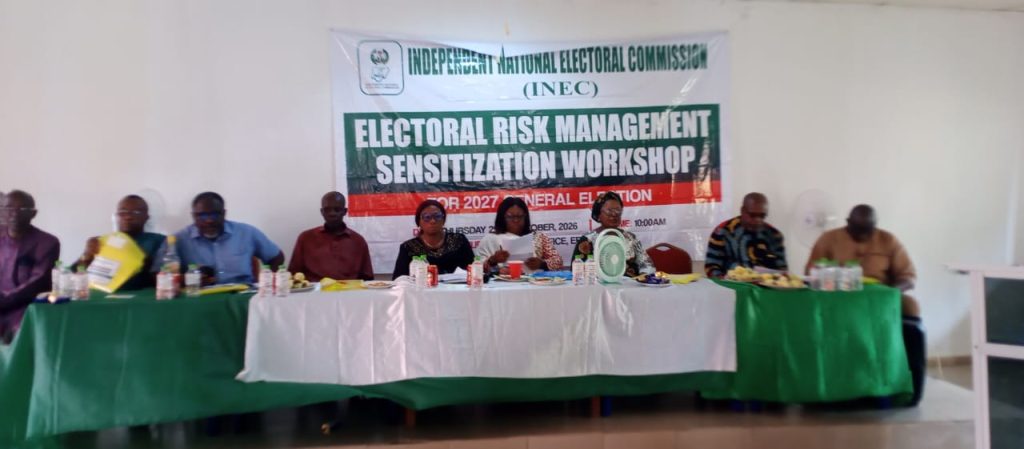
By Jeff Agbodo, Abakaliki The Independent National Electoral Commission (INEC) in Ebonyi State has intensified efforts to identify and address potential risks that could disrupt the conduct of the 2027 general elections. Declaring the workshop open, the Resident Electoral Commissioner (REC) in Ebonyi State, Mrs Pauline Ugochi Onyeka, commended the Head of Planning and Monitoring, Mrs Mercy Amechi-Okorie, for organising the programme for stakeholders.
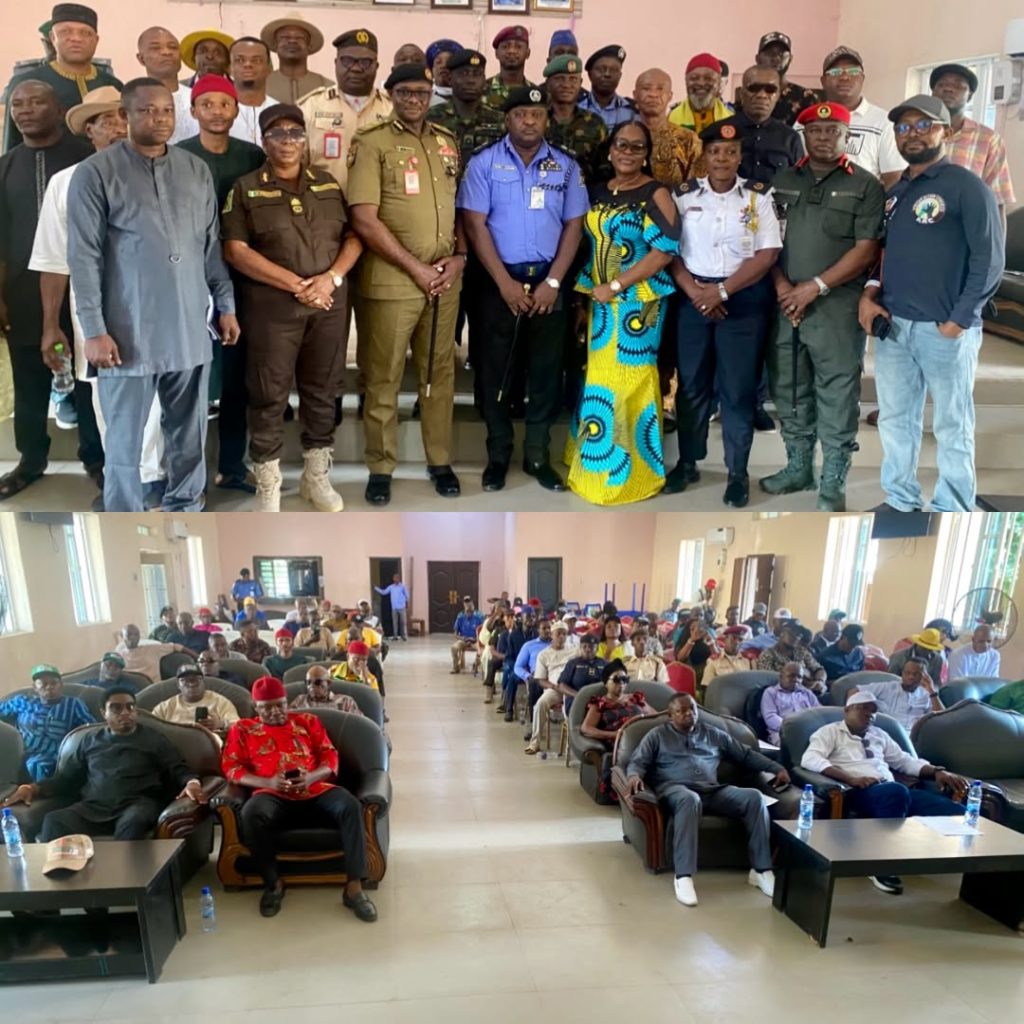
By Jeff Agbodo, Abakaliki The Independent National Electoral Commission (INEC) in Ebonyi State has intensified efforts to identify and address potential risks that could disrupt the conduct of the 2027 general elections. The move followed a workshop on Electoral Risk Management organised at the commission’s headquarters in Abakaliki for stakeholders, including media representatives, security agencies and local government electoral officers.
Participants identified potential threats to the elections, including snatching and destruction of electoral materials, abduction of election officials and the inaccessibility of some villages and communities. Speaking at the workshop, INEC Administrative Secretary in Ebonyi State, Mrs Joan Onyibor, said the exercise was timely given the proximity of the January and February 2027 elections.
She explained that electoral risk management provided a structured and proactive approach to identifying, assessing, monitoring and mitigating threats that could compromise the electoral process. According to her, such risks could include security threats, political tensions, misinformation, environmental challenges, logistical constraints and other operational difficulties.
Onyibor warned that failure to identify and address the risks could disrupt electoral activities, endanger voters and election officials, and undermine public confidence in the electoral process. Declaring the workshop open, the Resident Electoral Commissioner (REC) in Ebonyi State, Mrs Pauline Ugochi Onyeka, commended the Head of Planning and Monitoring, Mrs Mercy Amechi-Okorie, for organising the programme for stakeholders.
Onyeka said strengthening the electoral risk management framework had become increasingly important as the 2027 elections approached. “We must move beyond responding to challenges only after they emerge and adopt a proactive approach that allows us to anticipate risks and address them before they develop into serious threats,” she said. She added that the workshop was designed to improve stakeholders’ understanding of electoral risk management, build institutional capacity and strengthen their ability to identify, document and report potential threats across different locations.
The REC stressed that effective electoral risk management depended on close cooperation and timely information-sharing among INEC offices, security agencies, civil society organisations, the media and other stakeholders. “No institution can manage every electoral risk effectively on its own,” Onyeka said, calling for a coordinated approach to strengthen preparedness and response mechanisms.
She said collaboration among stakeholders would help improve the security and integrity of the electoral process ahead of the 2027 general elections.
- risk
- ebonyi
- election
- electoral
- inec
- management
- stakeholder
- threat