High financing costs blocking private sector investment in student hostels – GREDA
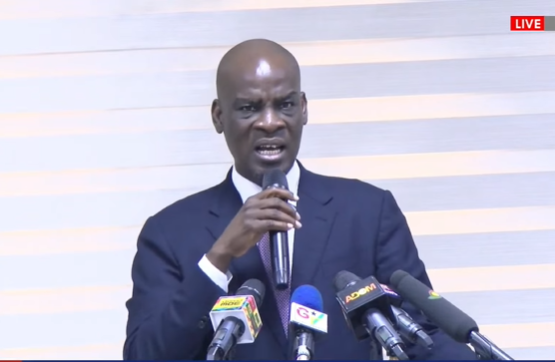
Private investment could help ease Ghana’s growing shortage of student accommodation, but developers need access to affordable long-term financing, secure land and a predictable regulatory environment to make such projects viable, the Ghana Real Estate Developers Association (GREDA) has said. Mr Amegayibor made the remarks on Joy News’ PM Express during a discussion on student accommodation challenges and the controversy over rising hostel charges at the University of Ghana.
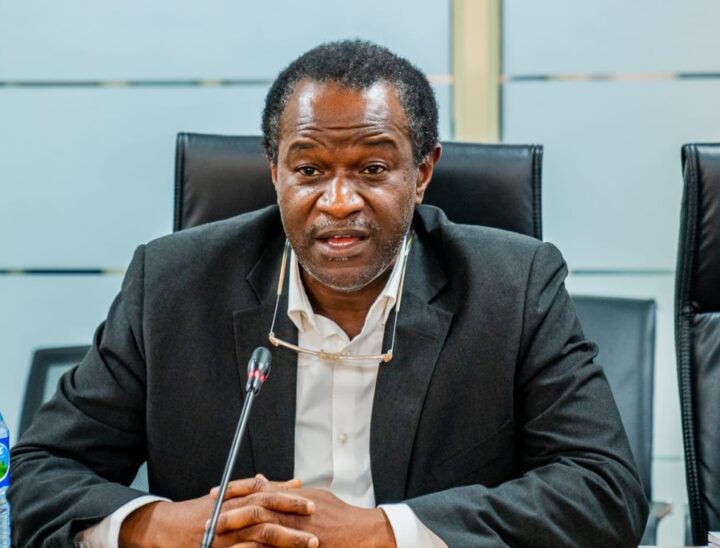
Private investment could help ease Ghana’s growing shortage of student accommodation, but developers need access to affordable long-term financing, secure land and a predictable regulatory environment to make such projects viable, the Ghana Real Estate Developers Association (GREDA) has said. Its Executive Director, Samuel Amegayibor, said the difficulty of raising capital remained the biggest obstacle to private sector participation in student housing, warning that the long period required to recover investment made the business unattractive without the right conditions.
He said some developers could take as long as 30 years to repay loans contracted to build hostel facilities, challenging the perception that investors should recover their costs within a few years of completing a project. Mr Amegayibor made the remarks on Joy News’ PM Express during a discussion on student accommodation challenges and the controversy over rising hostel charges at the University of Ghana.
He said the private sector had the capacity to provide more accommodation for tertiary students, but investors needed confidence that projects would operate under clear and reliable rules. He was quick to distinguish the kind of regulation he was advocating from government-imposed price controls. “I am not talking of regulation of prices, but there should be some kind of system management to make it conducive for investment to come,” he said.
He explained that investors needed certainty about the rules governing their operations and an established mechanism for resolving disputes when problems arose. Without such assurances, he said, developers would be reluctant to commit substantial capital to projects that could take decades to become financially viable. Financing and land constraints Mr Amegayibor identified access to funding as the principal challenge confronting developers interested in building student accommodation.
He said commercial borrowing placed a heavy financial burden on investors, particularly because hostel projects required substantial upfront capital and generated returns over an extended period. He cited cases in which developers could remain in debt for up to three decades while trying to recover the cost of constructing hostel facilities. He said the long repayment period needed to be recognised in discussions about accommodation charges, although that did not remove the need for hostel operators to provide value for money.
Land acquisition and the terms under which universities made land available to private developers were also major concerns. Mr Amegayibor recalled that some private universities had previously engaged developers under build-operate-transfer (BOT) arrangements but proposed concession periods of only 25 years. He said such terms were unattractive because they did not adequately accommodate the time required to recover the investment and meet financing obligations.
The GREDA executive director said the conditions under which developers accessed university land and operated their facilities needed to reflect the long-term nature of student housing investments. PPP option gains attention His comments come as government considers greater private sector participation in expanding student accommodation. On September 17, 2026, the University of Cape Coast signed a memorandum of understanding with GSC Property Investment Limited for a proposed 28,000-bed accommodation project estimated at US$500 million.
The project is expected to be developed under a 30-year BOT arrangement, with the private investor financing, constructing and operating the facilities before transferring them to the university at the end of the concession period. The proposal remains subject to the required government approval processes. The Education Minister, Haruna Iddrisu, also disclosed on November 18 that government was considering public-private partnerships to develop additional hostels at affordable rates.
He directed the Ghana Tertiary Education Commission and the Rent Control Commission to explore measures to address rising accommodation charges. The discussions have followed growing complaints from tertiary students about the cost of accommodation, with the University of Ghana’s recent hostel fee adjustments drawing particular attention to the financial pressures facing students and the institutions providing housing.
Mr Amegayibor’s position is that expanding the supply of accommodation will require more than calls for lower charges. It will also depend on financing arrangements, land access and concession terms that encourage developers to invest while ensuring that students have access to decent and affordable facilities.
- student
- investment
- financing
- sector
- developer
- accommodation
- project
- greda