Reps move to tighten rules for EV, CNG vehicle imports, demand local service centres

By Gift ChapiOdekina,Abuja The House of Representatives has called for stricter regulations on the importation of electric vehicles (EVs), compressed natural gas (CNG) vehicles and related equipment, proposing mandatory local maintenance centres, genuine spare parts and after-sales support for importers. Under the proposed framework, the National Automotive Design and Development Council (NADDC), in collaboration with the Bureau of Public Procurement, Standards Organisation of Nigeria, Nigeria Customs Service and other relevant agencies, would develop clear criteria for approving importers.
By Gift ChapiOdekina,Abuja The House of Representatives has called for stricter regulations on the importation of electric vehicles (EVs), compressed natural gas (CNG) vehicles and related equipment, proposing mandatory local maintenance centres, genuine spare parts and after-sales support for importers. The lawmakers also urged the Federal Government to establish a transparent licensing framework for companies importing alternative-fuel vehicles, warning against the risk of Nigeria becoming a dumping ground for vehicles without adequate technical support and safety safeguards.
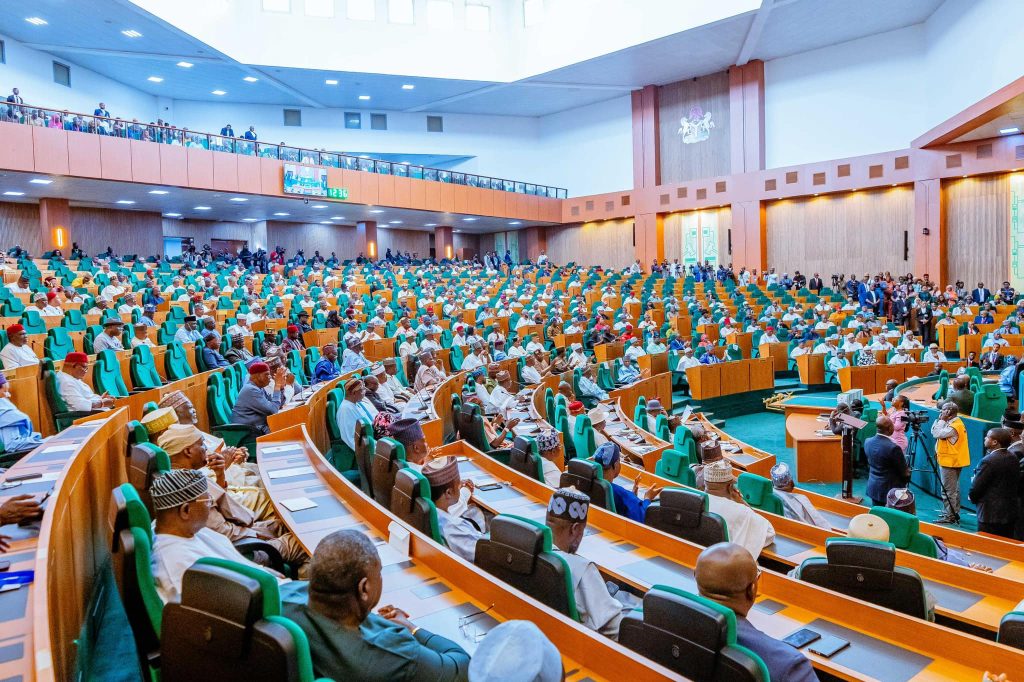
The resolution followed a motion sponsored by Rep. Ademorin Kuye during Wednesday’s plenary, where lawmakers raised concerns over consumer protection, vehicle safety, local investment and the country’s readiness for the growing adoption of cleaner transportation technologies. Under the proposed framework, the National Automotive Design and Development Council (NADDC), in collaboration with the Bureau of Public Procurement, Standards Organisation of Nigeria, Nigeria Customs Service and other relevant agencies, would develop clear criteria for approving importers.
Companies seeking approval could be required to establish certified service and maintenance centres in Nigeria, provide genuine spare parts and warranty support, and employ and train qualified Nigerian technicians. Other proposed conditions include investment in electric-vehicle charging stations or CNG refuelling facilities, compliance with national safety and environmental standards, and submission of consumer protection and after-sales service plans.
The House also proposed a public register of approved importers and infrastructure providers to promote transparency and protect consumers. It stressed that the licensing process should be open, competitive and non-discriminatory, allowing all companies that meet the prescribed requirements to obtain approval. The lawmakers further called for tax incentives, import duty concessions and other fiscal benefits to be tied to compliance with the proposed framework to encourage investment in local infrastructure and technical capacity.
Contributing to the debate, Rep. Dominic Okafor warned against allowing Nigeria to become a dumping ground for vehicles manufactured without adequate consideration for the needs of developing countries. He said importers must demonstrate their capacity to maintain the vehicles they bring into the country and provide adequate support to consumers after purchase.
“It’s very important to see that all the players in this motion are dressed seriously, so that Nigeria is not made a dumping ground,” Okafor said. He observed that some manufacturers produce different categories of vehicles for Western markets and developing countries, including Nigeria, stressing the need for safeguards to ensure that imported vehicles meet local requirements.
Okafor said electric vehicles required sustained technical support, access to spare parts and maintenance facilities, unlike products consumed immediately after purchase. “Electric vehicles are not a one-sell product,” he said, adding that the absence of maintenance centres could leave consumers stranded and expose them to avoidable costs. The lawmaker also raised safety concerns over CNG-powered vehicles and trucks, arguing that companies should not be permitted to import them commercially without adequate facilities and technical safeguards.
“Efforts should be made that whoever that importer is issued to has some of these facilities, not just in it as a trading activity,” he added. Similarly, Rep. Kalejaiye Adeboye Paul supported the proposal, saying local maintenance and repair facilities were essential to sustaining Nigeria’s transition to alternative-fuel transportation. He noted that state governments were increasingly embracing the programme, making it necessary to prepare for the long-term implications of importing vehicles without building domestic technical capacity.
“But I think that establishing their own centre here in Nigeria for maintenance and repairs is very essential. It has to be a condition for which we can continue to embrace this,” Paul said. He warned that Nigeria’s limited capacity to manufacture or assemble the vehicles could create challenges as adoption increased. “We are not manufacturing here.
We are not assembling here. And we do not have what it takes to keep this going,” he said. He warned that Nigeria’s limited capacity to manufacture or assemble the vehicles could create challenges as adoption increased. “We are not manufacturing here. We are not assembling here. And we do not have what it takes to keep this going,” he said. Paul added that the consequences of operating the vehicles without adequate maintenance infrastructure might become more evident over time, urging lawmakers to support the proposed safeguards in the interest of consumers and the country.
Rep. Stanley Olajide described the motion as timely, citing global concerns over
- vehicle
- cng
- service
- nigeria
- maintenance
- support
- importer
- consumer